Decoding the Gut-Brain Axis: Your Body's Secret Conversation
Diseases and Conditions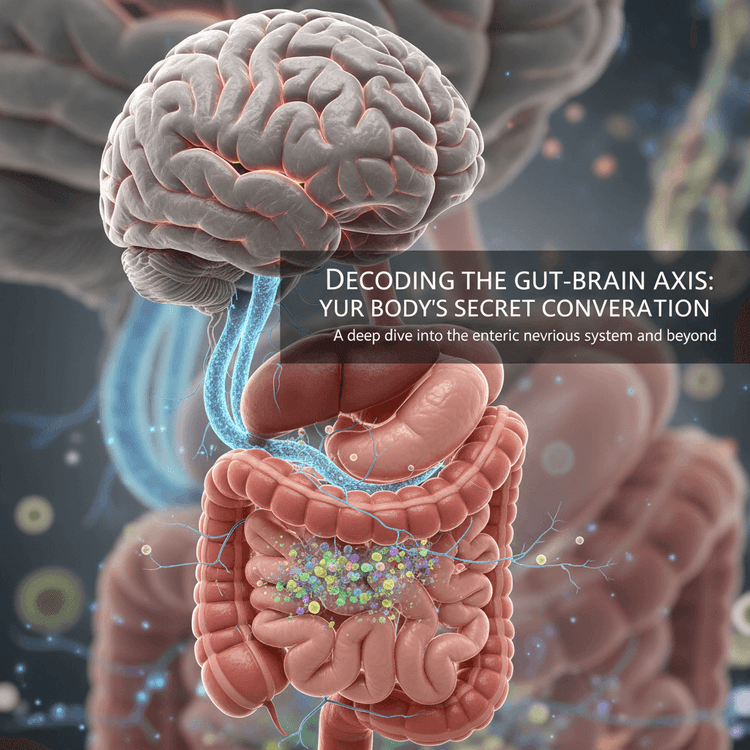
Uncover the profound and intricate connection between your digestive system and your brain in this illuminating exploration of the Gut-Brain Axis. Far from being two separate entities, these vital organs are engaged in a constant, bidirectional dialogue, profoundly influencing everything from your mood and cognitive function to your overall physical health. This post delves deep into the fascinating scientific revelations that have brought this complex interplay to the forefront of modern medicine and wellness. We will unravel the mysterious pathways – neurological, hormonal, and immunological – through which your gut microbes communicate with your central nervous system, shaping your thoughts, emotions, and even your susceptibility to various conditions. Discover how the vagus nerve acts as a superhighway for information exchange, and how the vast ecosystem of bacteria residing within your intestines, collectively known as the microbiome, plays a pivotal role in producing neurotransmitters, modulating inflammation, and influencing brain chemistry. From the intricate production of serotonin in the gut to the impact of microbial metabolites on brain function, we break down complex concepts into understandable insights. This comprehensive overview will shed light on how disruptions in this delicate balance can contribute to a spectrum of issues, including anxiety, depression, stress-related disorders, and digestive complaints like IBS. More importantly, we'll reveal cutting-edge research and practical strategies emerging from this understanding, offering actionable advice on how to nurture a healthy gut microbiome to support optimal brain health and mental well-being. Prepare to transform your understanding of your own body and mind as we reveal the hidden power of the gut-brain connection.
Beyond Digestion: The Gut's Role in Brain Health & Emotions
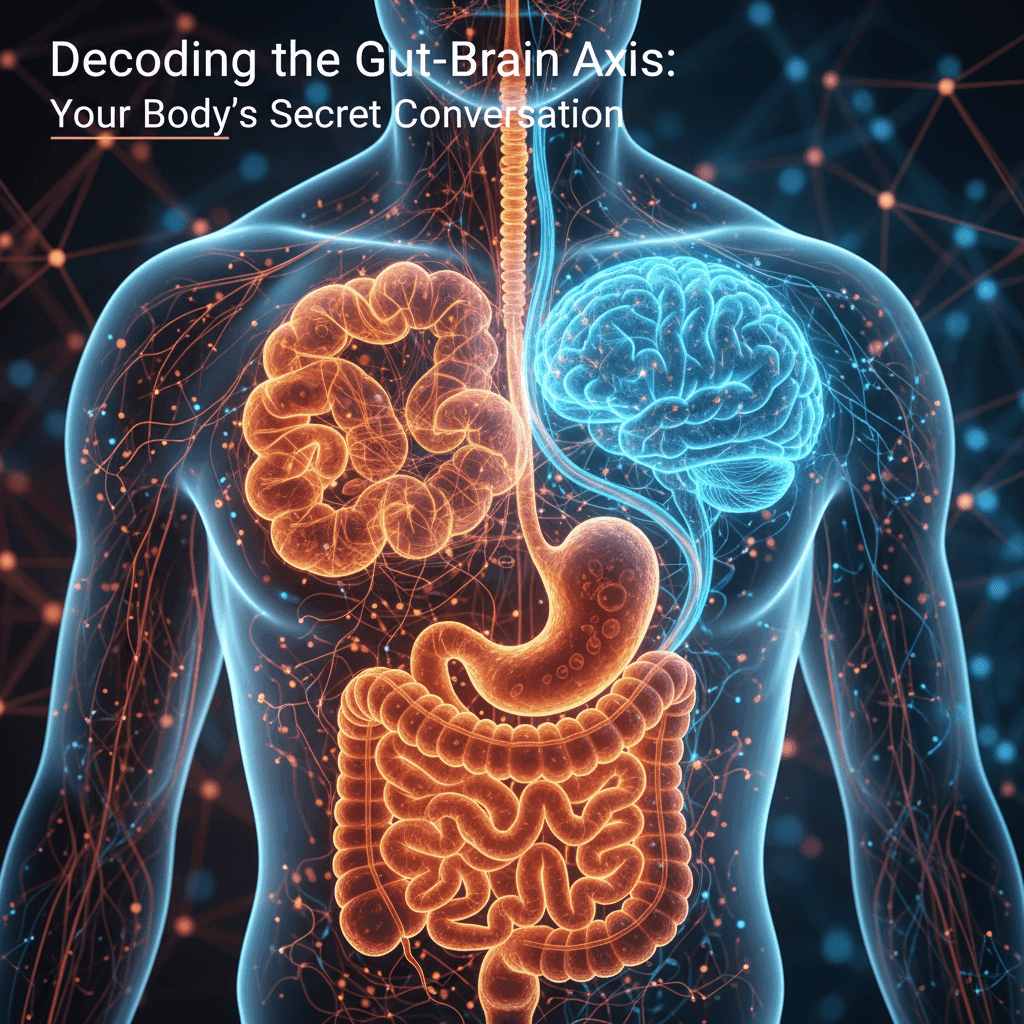
The gut is often seen merely as a processing plant for food, but its influence stretches far beyond nutrient absorption, profoundly impacting our brain health and emotional landscape. It's astonishing to discover that this "second brain," home to trillions of microbes forming the microbiome, is a critical factory for essential neurotransmitters, including a vast majority of the body's serotonin – a key regulator of mood, sleep, and appetite. This complex microbial ecosystem actively communicates with our central nervous system through intricate pathways: the vagus nerve acts as a superhighway, transmitting signals directly between the gut and brain; microbial metabolites can cross the blood-brain barrier, directly influencing brain chemistry and function; and the gut's immune system plays a crucial role in modulating inflammation, which has been increasingly linked to mood disorders. When this delicate gut-brain balance is disturbed, perhaps by an imbalance in the microbiome or chronic inflammation, the repercussions can manifest as anxiety, depression, increased stress susceptibility, and even cognitive fog, illustrating a direct and undeniable link between our intestinal well-being and our deepest emotional experiences. Understanding this profound connection empowers us to rethink wellness, moving beyond solely treating symptoms to nurturing the foundational health of our gut for robust mental and emotional resilience.
The Gut-Brain Axis: Bridging Digestion, Mood, and Cognition
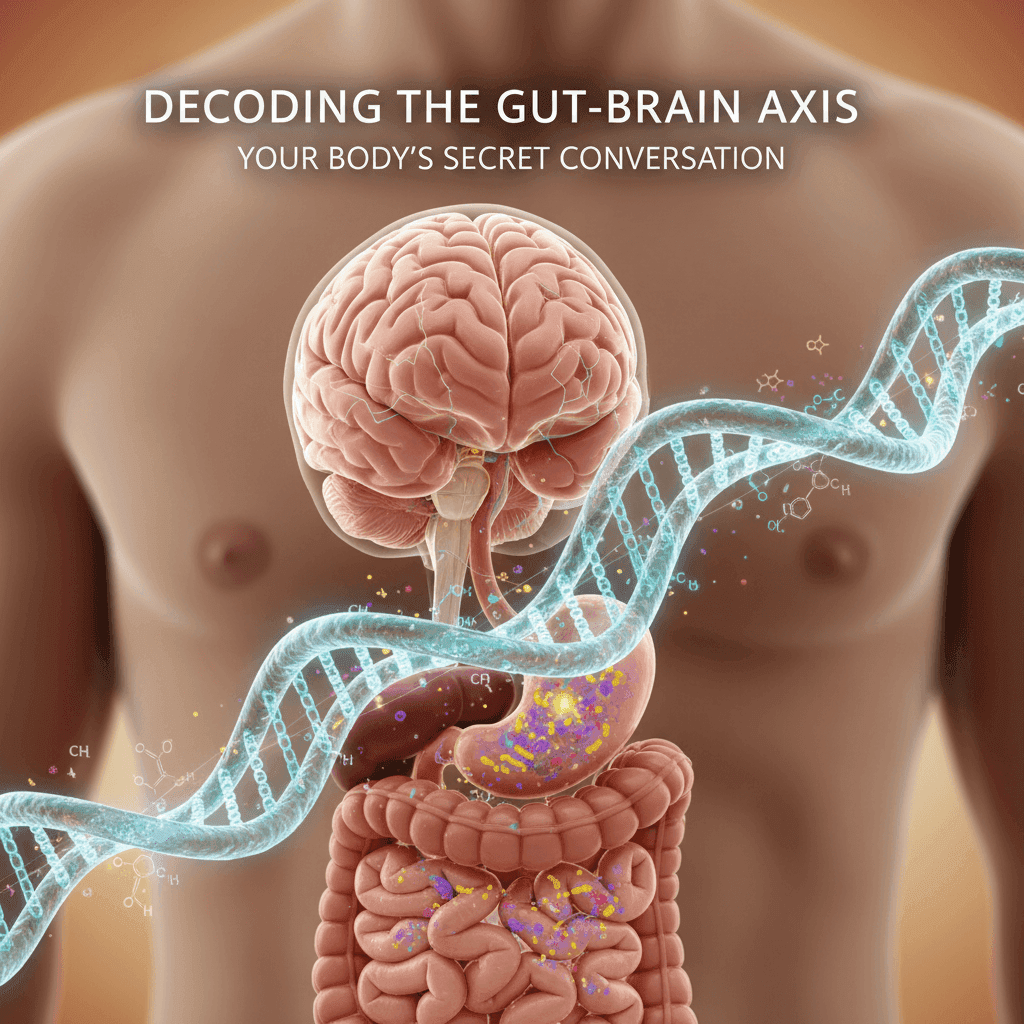
The concept of the Gut-Brain Axis represents a profound paradigm shift in our understanding of human health, revealing an intricate and ceaseless bidirectional dialogue between our digestive system and our brain that extends far beyond simple nutrient absorption. Far from being two isolated entities, these vital organs are engaged in a complex interplay, profoundly influencing every aspect of our well-being, from the nuances of our mood and the sharpness of our cognitive function to our overall physical and mental resilience. This fascinating connection is not merely metaphorical but is underpinned by a sophisticated network of neurological, hormonal, and immunological pathways. The vagus nerve, often described as a superhighway, serves as a primary conduit for rapid information exchange, transmitting signals directly between the gut and the central nervous system. Crucially, the vast ecosystem of microorganisms residing within our intestines, collectively known as the gut microbiome, emerges as a central orchestrator in this communication. These trillions of bacteria actively participate in producing essential neurotransmitters, including a significant portion of the body's serotonin, modulating systemic inflammation, and generating metabolites that directly influence brain chemistry and function. Disruptions in this delicate microbial balance and the subsequent impairment of this gut-brain communication are increasingly linked to a spectrum of conditions, ranging from anxiety, depression, and stress-related disorders to chronic digestive issues like Irritable Bowel Syndrome. Understanding this intricate axis therefore unlocks groundbreaking insights into the origins of many health challenges and offers transformative strategies for nurturing a thriving gut microbiome as a cornerstone for optimal brain health and sustained mental well-being.

Jennifer Trimbee

Aug 19, 2025

0 reading now
What Causes Cysts and When to Worry
Cysts are fluid-filled sacs that can develop in various parts of the body, including the skin, ovaries, and internal organs. They are usually benign, meaning they are not cancerous, and are often caused by blockages in ducts, cell proliferation, or infections. Hormonal changes, genetic factors, and chronic inflammatory conditions can also contribute to cyst formation. While most cysts are harmless and may resolve on their own, some can become problematic if they grow large, cause pain, or become infected. It's important to monitor cysts and seek medical advice if they change in size, color, or sensation, or if they occur in conjunction with other symptoms.
Read more
Jennifer Trimbee
Aug 19, 2025

Disclaimer
This site offers information designed for educational purposes only. You should not rely on any information on this site as a substitute for professional medical advice, diagnosis, treatment, or as a substitute for, professional counseling care, advice, diagnosis, or treatment. If you have any concerns or questions about your health, you should always consult with a physician or other healthcare professional.