What is Galactosemia?
Diseases and Conditions
Galactosemia is a rare genetic metabolic disorder that affects an individual's ability to process the simple sugar galactose properly. Galactose is a component of lactose, the sugar found in milk and other dairy products. In individuals with galactosemia, the enzyme responsible for converting galactose into glucose is either deficient or absent altogether. This enzyme deficiency leads to the accumulation of galactose in the blood, which can be toxic and cause a range of serious health issues. Galactosemia is an inherited disorder, meaning it is passed down from parents to their children through genes. It is typically diagnosed shortly after birth through newborn screening tests. If left untreated, galactosemia can result in liver damage, intellectual disability, cataracts, and even death. Due to these risks, early diagnosis and dietary management are crucial in preventing the severe consequences associated with this condition. Treatment typically involves a strict galactose-free diet for life, which helps to avoid the complications associated with the accumulation of galactose in the body.
Understanding Galactosemia
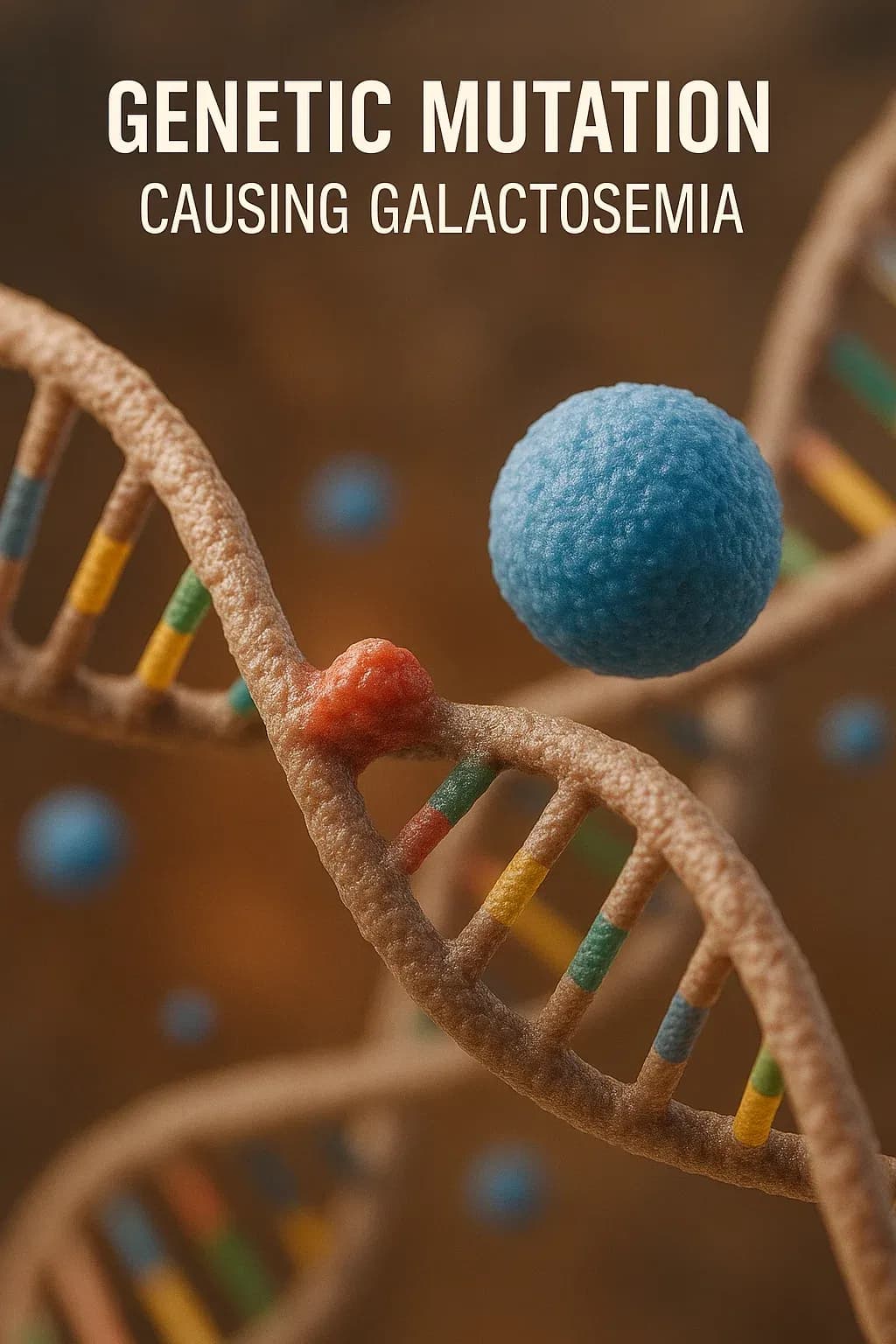
Galactosemia is primarily caused by mutations in the GALT, GALE, or GALK1 genes, which are responsible for producing enzymes that are crucial for the proper metabolism of galactose. The most common and severe form of the disorder is classic galactosemia, resulting from a deficiency of the enzyme galactose-1-phosphate uridylyltransferase (GALT). Without this enzyme, galactose-1-phosphate builds up in the body, leading to various complications. Symptoms of classic galactosemia typically appear within the first few days of life. These can include jaundice, vomiting, lethargy, irritability, and feeding difficulties. If untreated, the condition can rapidly progress, causing liver dysfunction, kidney failure, sepsis, and shock. As the child grows, untreated galactosemia can lead to developmental delays, speech problems, and motor skill difficulties. Fortunately, with early intervention and a galactose-restricted diet, many of these severe outcomes can be mitigated, although some children may still experience developmental challenges despite dietary management.
Living with Galactosemia
Managing galactosemia involves a lifelong commitment to a galactose-free diet, which requires the elimination of all foods and products containing lactose and galactose. This includes most dairy products, certain legumes, and even some fruits and vegetables. Families must work closely with healthcare providers, including dietitians, to ensure that children with galactosemia receive proper nutrition while avoiding harmful substances. Regular follow-ups with a healthcare team are essential to monitor for any potential complications and to address developmental and learning needs. As children with galactosemia grow, they may face social and emotional challenges due to dietary restrictions and potential developmental delays. Support from family, healthcare providers, and support groups is crucial in helping individuals with galactosemia lead fulfilling lives. Research is ongoing to better understand galactosemia and develop more effective treatments, with some studies exploring gene therapy and enzyme replacement as potential future therapies. For now, strict dietary management remains the cornerstone of treatment.


Jennifer Trimbee

Aug 19, 2025

0 reading now
What Causes Cysts and When to Worry
Cysts are fluid-filled sacs that can develop in various parts of the body, including the skin, ovaries, and internal organs. They are usually benign, meaning they are not cancerous, and are often caused by blockages in ducts, cell proliferation, or infections. Hormonal changes, genetic factors, and chronic inflammatory conditions can also contribute to cyst formation. While most cysts are harmless and may resolve on their own, some can become problematic if they grow large, cause pain, or become infected. It's important to monitor cysts and seek medical advice if they change in size, color, or sensation, or if they occur in conjunction with other symptoms.
Read more
Jennifer Trimbee
Aug 19, 2025

Disclaimer
This site offers information designed for educational purposes only. You should not rely on any information on this site as a substitute for professional medical advice, diagnosis, treatment, or as a substitute for, professional counseling care, advice, diagnosis, or treatment. If you have any concerns or questions about your health, you should always consult with a physician or other healthcare professional.