What Causes Cysts and When to Worry
Diseases and Conditions
Cysts are fluid-filled sacs that can develop in various parts of the body, including the skin, ovaries, and internal organs. They are usually benign, meaning they are not cancerous, and are often caused by blockages in ducts, cell proliferation, or infections. Hormonal changes, genetic factors, and chronic inflammatory conditions can also contribute to cyst formation. While most cysts are harmless and may resolve on their own, some can become problematic if they grow large, cause pain, or become infected. It's important to monitor cysts and seek medical advice if they change in size, color, or sensation, or if they occur in conjunction with other symptoms.
Understanding the Causes of Cysts
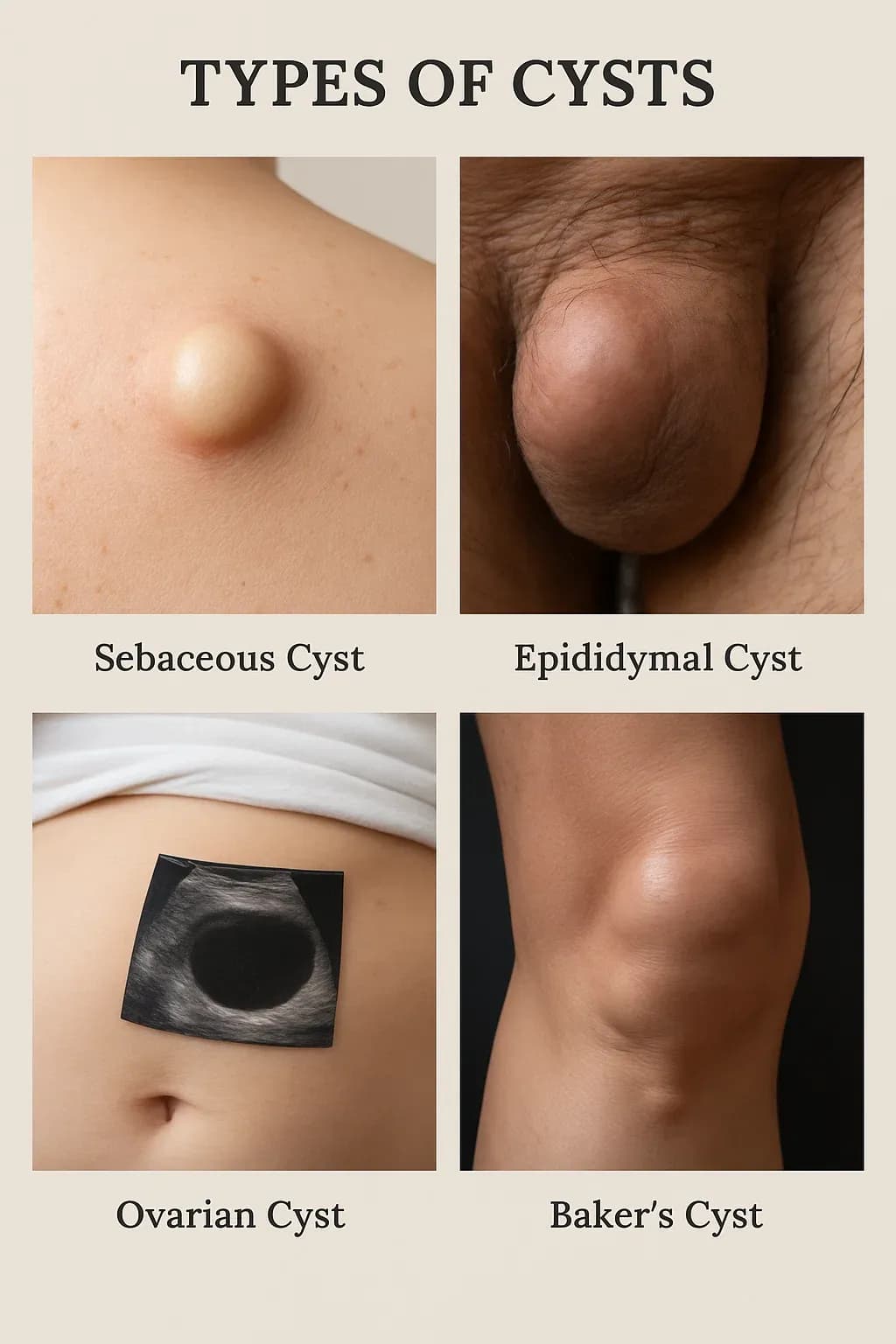
Cysts can occur due to a variety of reasons, depending on their location and type. Sebaceous cysts, for instance, form when a sebaceous gland becomes blocked, leading to a buildup of sebum. Ovarian cysts often develop during the menstrual cycle, particularly when a follicle fails to release an egg. Polycystic ovary syndrome (PCOS) is a condition where multiple cysts form on the ovaries due to hormonal imbalances. Other cysts, such as ganglion cysts, arise near joints and tendons, often following an injury. In some cases, genetic conditions such as Gardner's syndrome or polycystic kidney disease can predispose individuals to develop cysts. Infections can also result in cyst formation; for example, a bacterial infection can lead to the development of a pilonidal cyst near the tailbone. It's crucial to understand the underlying cause of a cyst to determine the appropriate treatment and management strategy.
When to Seek Medical Attention
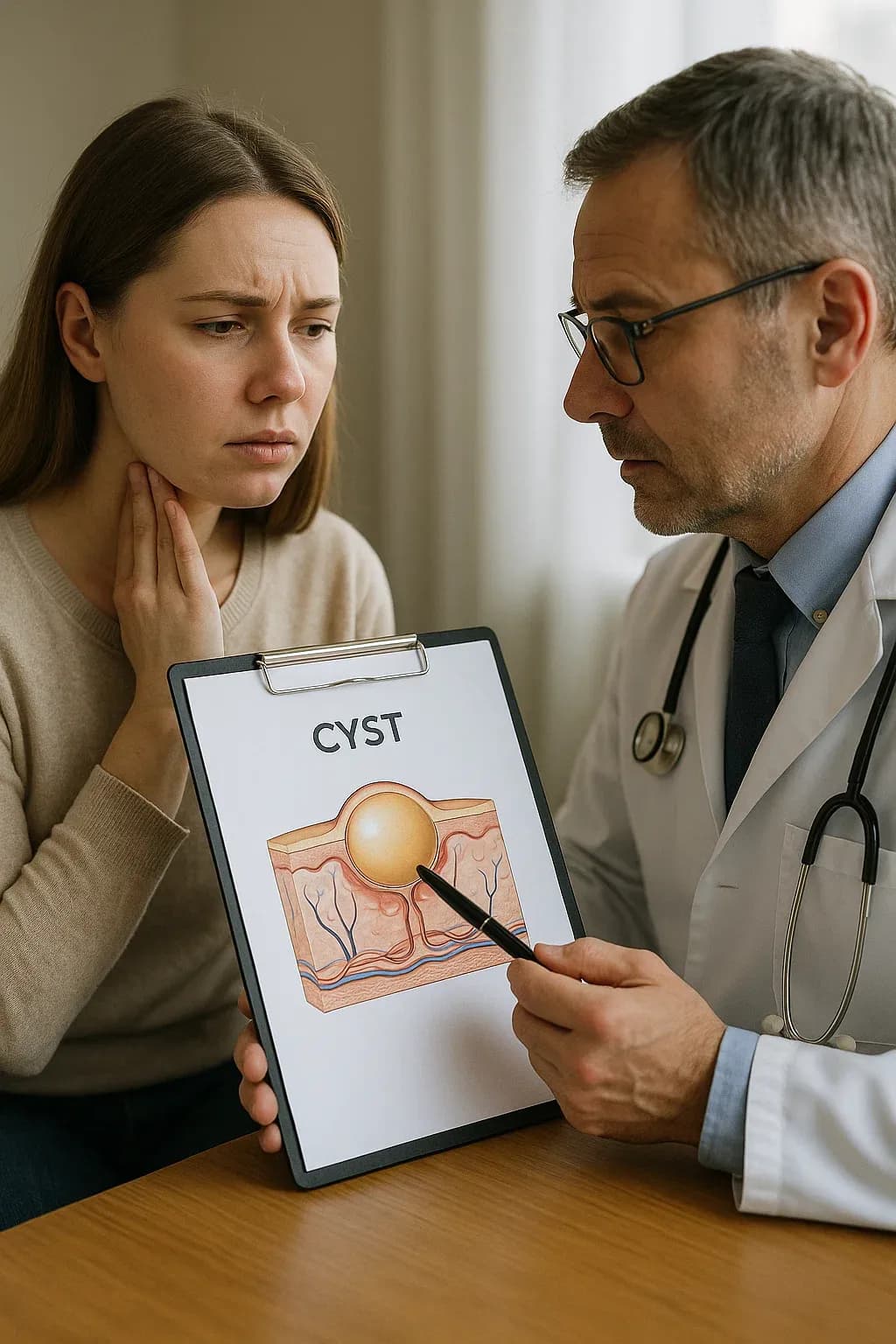
While most cysts are benign and may not require treatment, certain signs and symptoms warrant medical attention. If a cyst grows rapidly, becomes painful, or is associated with redness and warmth, it may indicate an infection or other complication. Cysts that recur frequently or change in appearance should also be evaluated by a healthcare professional. Additionally, cysts located in sensitive areas or those that interfere with normal bodily functions may necessitate intervention. For women, sudden pelvic pain or irregular menstrual cycles might signal an ovarian cyst that needs further investigation. In rare cases, a cyst may be a sign of an underlying malignancy, especially if it is hard, immovable, or accompanied by systemic symptoms such as unexplained weight loss or fever. Consulting a doctor can provide reassurance and help determine the most appropriate course of action, whether it involves monitoring, medication, or surgical removal.

Jennifer Trimbee

Aug 19, 2025

0 reading now
What Causes Cysts and When to Worry
Cysts are fluid-filled sacs that can develop in various parts of the body, including the skin, ovaries, and internal organs. They are usually benign, meaning they are not cancerous, and are often caused by blockages in ducts, cell proliferation, or infections. Hormonal changes, genetic factors, and chronic inflammatory conditions can also contribute to cyst formation. While most cysts are harmless and may resolve on their own, some can become problematic if they grow large, cause pain, or become infected. It's important to monitor cysts and seek medical advice if they change in size, color, or sensation, or if they occur in conjunction with other symptoms.
Read more
Jennifer Trimbee
Aug 19, 2025
Disclaimer
This site offers information designed for educational purposes only. You should not rely on any information on this site as a substitute for professional medical advice, diagnosis, treatment, or as a substitute for, professional counseling care, advice, diagnosis, or treatment. If you have any concerns or questions about your health, you should always consult with a physician or other healthcare professional.