What Causes Stomach Cancer?
Diseases and Conditions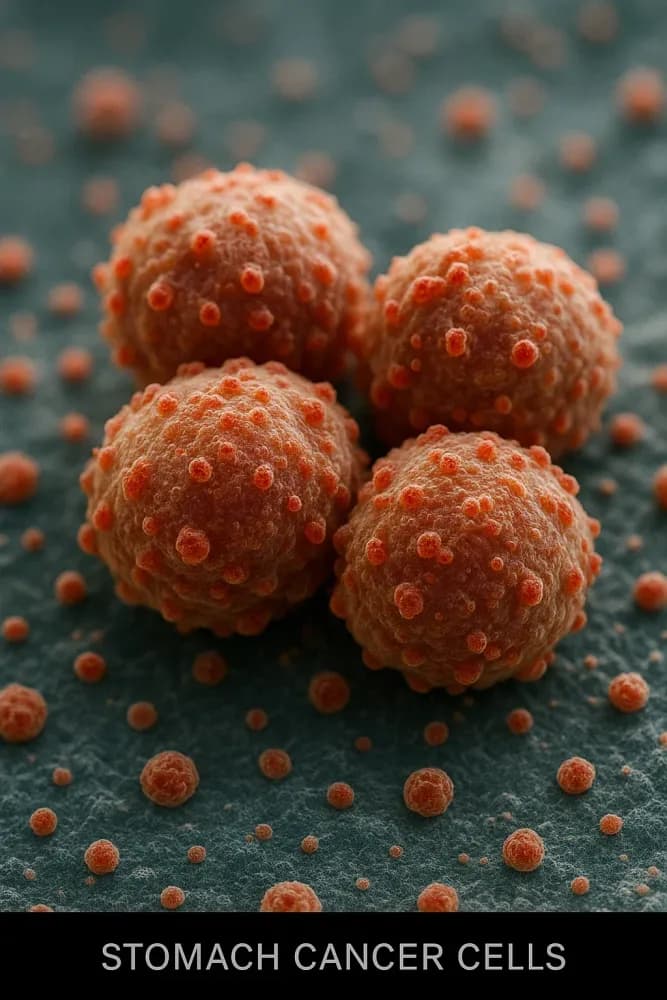
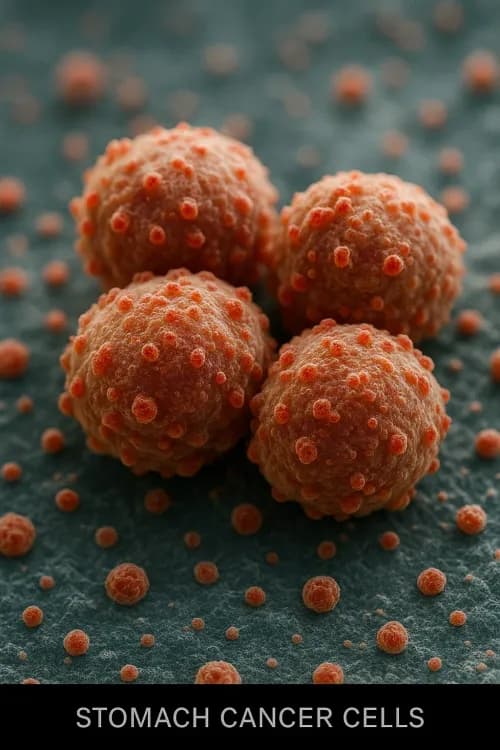
Stomach cancer, also known as gastric cancer, is a disease in which malignant cells form in the lining of the stomach. This can occur when there is a mutation in the cellular DNA, leading to uncontrolled cell growth. Various factors contribute to the risk of developing stomach cancer. These include infections, particularly with Helicobacter pylori, a type of bacteria that causes chronic inflammation and ulcers in the stomach lining. Additionally, lifestyle factors such as smoking, excessive alcohol consumption, and diets high in salted, smoked, or pickled foods can increase the risk. Genetic predispositions and family history also play a significant role, as certain gene mutations can be inherited, increasing susceptibility to the disease. Understanding these causes is crucial in developing preventative strategies and early detection methods to combat this serious illness.
Genetic and Environmental Factors
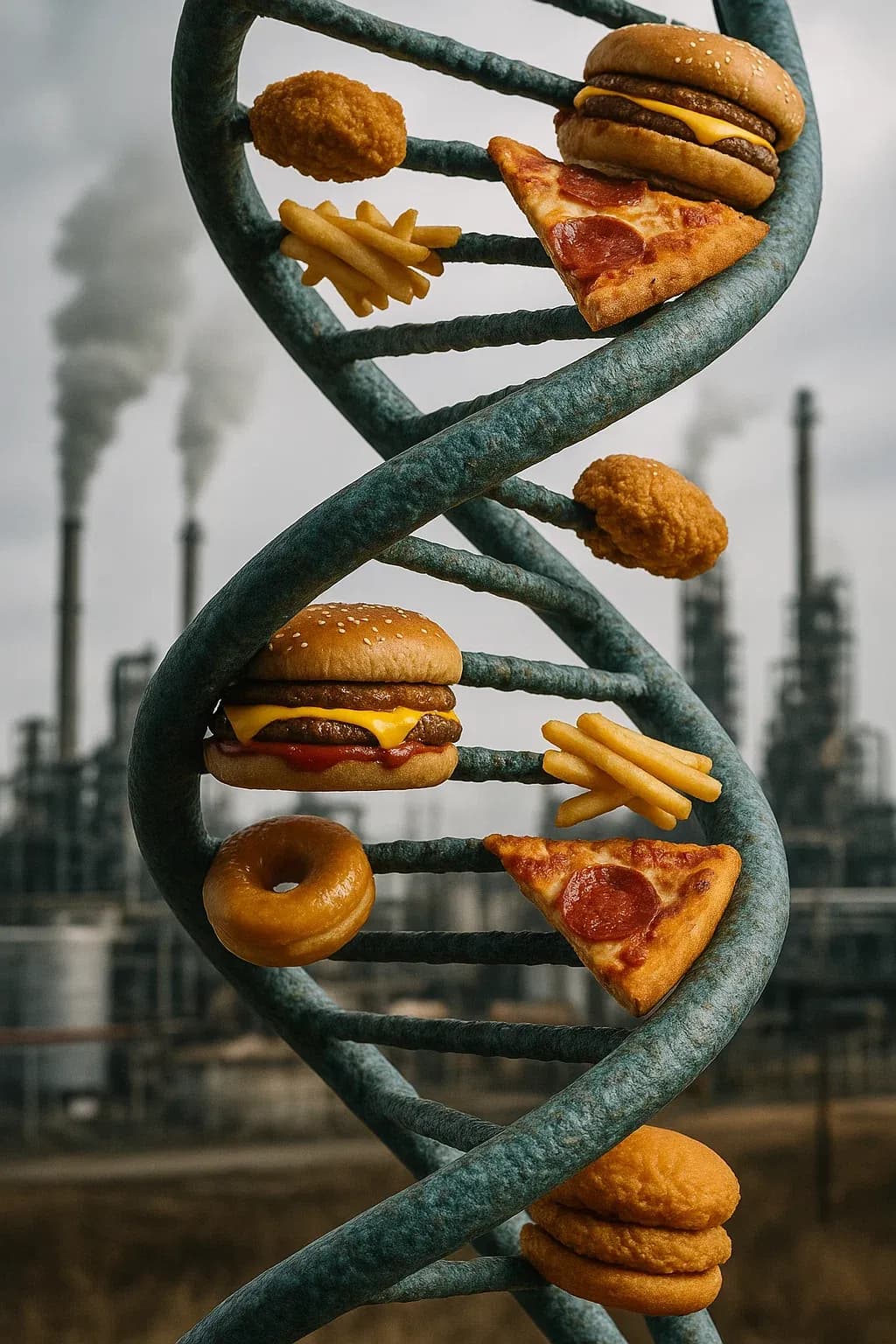
Genetic and environmental factors are significant contributors to the development of stomach cancer. Hereditary conditions such as hereditary diffuse gastric cancer (HDGC) and Lynch syndrome increase the risk of malignant transformation in gastric tissues. The presence of genetic mutations such as those in the CDH1 gene is closely associated with these hereditary conditions. Environmental factors, including diet and lifestyle, also play a pivotal role. Diets high in processed meats, smoked foods, and low in fruits and vegetables can increase the risk. Additionally, occupational exposure to dust and certain chemicals in industries such as coal mining and rubber manufacturing has been linked to a higher incidence of stomach cancer. The interaction between genetic predispositions and environmental exposures can significantly influence the onset and progression of the disease.
Infections and Lifestyle Choices
Infections, particularly with Helicobacter pylori, are a well-known cause of stomach cancer. This bacterium colonizes the stomach lining, leading to chronic gastritis and can eventually result in atrophic gastritis, intestinal metaplasia, and dysplasia, which are precursors to gastric cancer. Apart from infections, lifestyle choices significantly impact the risk of developing stomach cancer. Smoking is a major risk factor, as tobacco carcinogens can damage the stomach lining. Alcohol consumption, particularly in large quantities, can also exacerbate the risk. Maintaining a healthy lifestyle, including regular exercise and a balanced diet rich in fruits and vegetables, can help reduce the risk. Public health interventions focused on reducing smoking and alcohol consumption, alongside programs encouraging healthier dietary habits, can be effective strategies in lowering gastric cancer incidence.


Jennifer Trimbee

Aug 19, 2025

0 reading now
What Causes Cysts and When to Worry
Cysts are fluid-filled sacs that can develop in various parts of the body, including the skin, ovaries, and internal organs. They are usually benign, meaning they are not cancerous, and are often caused by blockages in ducts, cell proliferation, or infections. Hormonal changes, genetic factors, and chronic inflammatory conditions can also contribute to cyst formation. While most cysts are harmless and may resolve on their own, some can become problematic if they grow large, cause pain, or become infected. It's important to monitor cysts and seek medical advice if they change in size, color, or sensation, or if they occur in conjunction with other symptoms.
Read more
Jennifer Trimbee
Aug 19, 2025
Disclaimer
This site offers information designed for educational purposes only. You should not rely on any information on this site as a substitute for professional medical advice, diagnosis, treatment, or as a substitute for, professional counseling care, advice, diagnosis, or treatment. If you have any concerns or questions about your health, you should always consult with a physician or other healthcare professional.