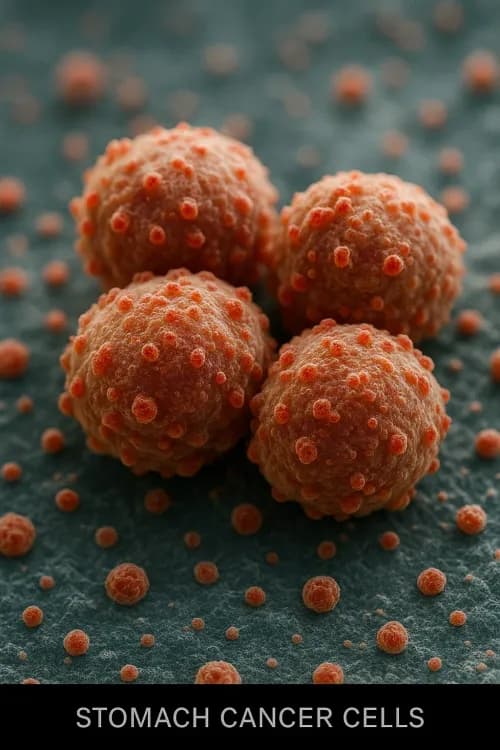
Autoimmune Assault: When Your Own Body Becomes the Enemy
Diseases and Conditions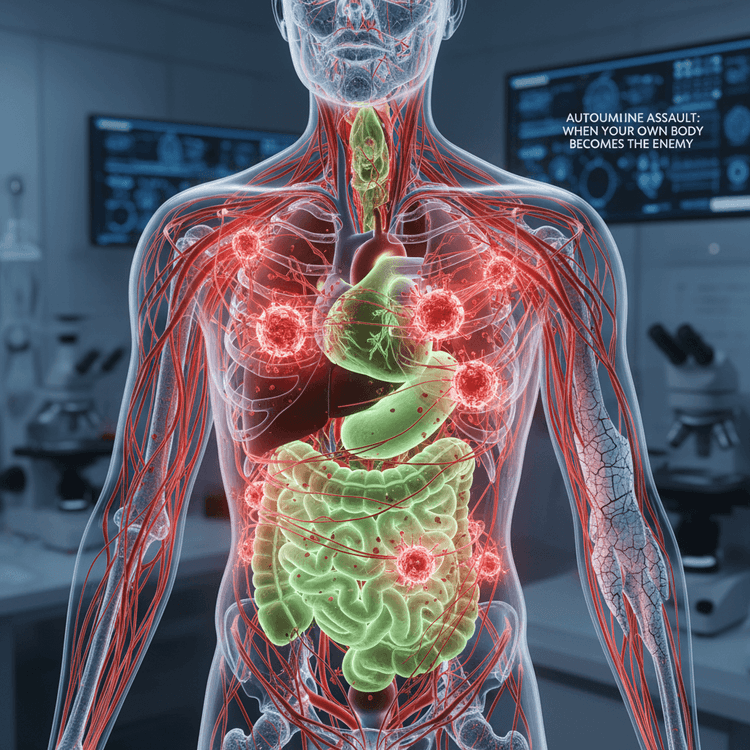
Imagine a security system designed to protect your home suddenly turning on its occupants. This chilling scenario perfectly encapsulates the complex and often devastating reality faced by millions worldwide when their immune system, the very defense mechanism meant to safeguard health, inexplicably begins to attack the body's own healthy cells and tissues. This isn't a simple cold or flu; it's a profound and persistent betrayal from within that demands attention and understanding. In the realm of autoimmune diseases, the body's sophisticated network of cells and proteins that normally identifies and eliminates foreign invaders—bacteria, viruses, toxins—misfires catastrophically. Instead of fighting external threats, it mistakenly identifies 'self' as 'non-self,' launching an assault on healthy cells, organs, and systems. This critical error triggers a chronic inflammatory response, leading to a wide spectrum of symptoms that can range from mild discomfort to debilitating pain, significant organ damage, and even life-threatening conditions. The manifestations of an immune system gone rogue are as diverse as the human body itself. From the chronic joint destruction characteristic of rheumatoid arthritis to the widespread systemic assault on multiple organs seen in lupus, the progressive neurological damage of multiple sclerosis, or the thyroid dysfunction of Hashimoto's disease, the list is extensive. Conditions like Type 1 diabetes, celiac disease, psoriasis, and inflammatory bowel diseases also fall under this complex umbrella, each presenting unique challenges but sharing the common, underlying thread of an immune system attacking its host. Living with an autoimmune condition means navigating a landscape of unpredictable flares, chronic fatigue that no amount of rest can cure, persistent and often severe pain, and frequently, a long, frustrating journey to an accurate diagnosis. It profoundly impacts every facet of life – physical capabilities, mental well-being, social interactions, and professional aspirations. The emotional toll can be immense, as individuals grapple with an invisible illness that is often misunderstood by others, leading to feelings of isolation and despair. This comprehensive post, 'When Your Immune System Attacks,' delves deep into the heart of this medical enigma. We'll meticulously explore the common triggers and emerging theories behind why this internal conflict arises, dissecting the myriad ways these conditions manifest across different body systems. More importantly, we aim to provide profound clarity, essential insights, and actionable information, discussing the intricate diagnostic process, current evidence-based management strategies, and promising avenues for future treatment and research. Whether you're personally affected by an autoimmune condition, caring for a loved one, or simply seeking to comprehend this complex and vital area of health, join us as we unravel the mysteries of autoimmune disease, offering guidance and empowering you with the knowledge needed to navigate its formidable challenges with greater confidence and understanding.
When Your Body's Security System Turns Against Itself
Imagine your home's sophisticated security system, designed with cutting-edge technology to identify and neutralize any external threat, suddenly reconfiguring its parameters to target the very structure it's sworn to protect, indiscriminately firing on the walls, foundations, and inhabitants within. This chilling analogy perfectly mirrors the profound biological paradox at the heart of autoimmune diseases, a condition where the human body's own immune system – an incredibly complex network of cells, tissues, and organs meticulously evolved over millennia to defend against an endless onslaught of bacteria, viruses, and environmental toxins – inexplicably begins to wage war against its host. Instead of distinguishing between dangerous foreign invaders and healthy endogenous components, this intricate defense mechanism suffers a catastrophic identity crisis, losing the ability to differentiate 'self' from 'non-self.' The consequence is a relentless internal conflict where the immune system, in its misguided vigilance, generates autoantibodies and autoreactive cells that launch sustained attacks on healthy tissues, organs, and systems throughout the body. This systemic betrayal from within ignites chronic inflammation, leading to a bewildering array of symptoms that can range from persistent fatigue and mild joint pain to severe organ damage, debilitating neurological impairment, and even life-threatening conditions. The sheer diversity of these conditions, whether it manifests as rheumatoid arthritis relentlessly destroying joints, lupus causing widespread systemic inflammation, Type 1 diabetes attacking pancreatic cells, or multiple sclerosis eroding nerve sheaths, underscores the indiscriminate nature of this internal assault and the urgent need for deeper understanding and effective interventions against this profound biological enigma.
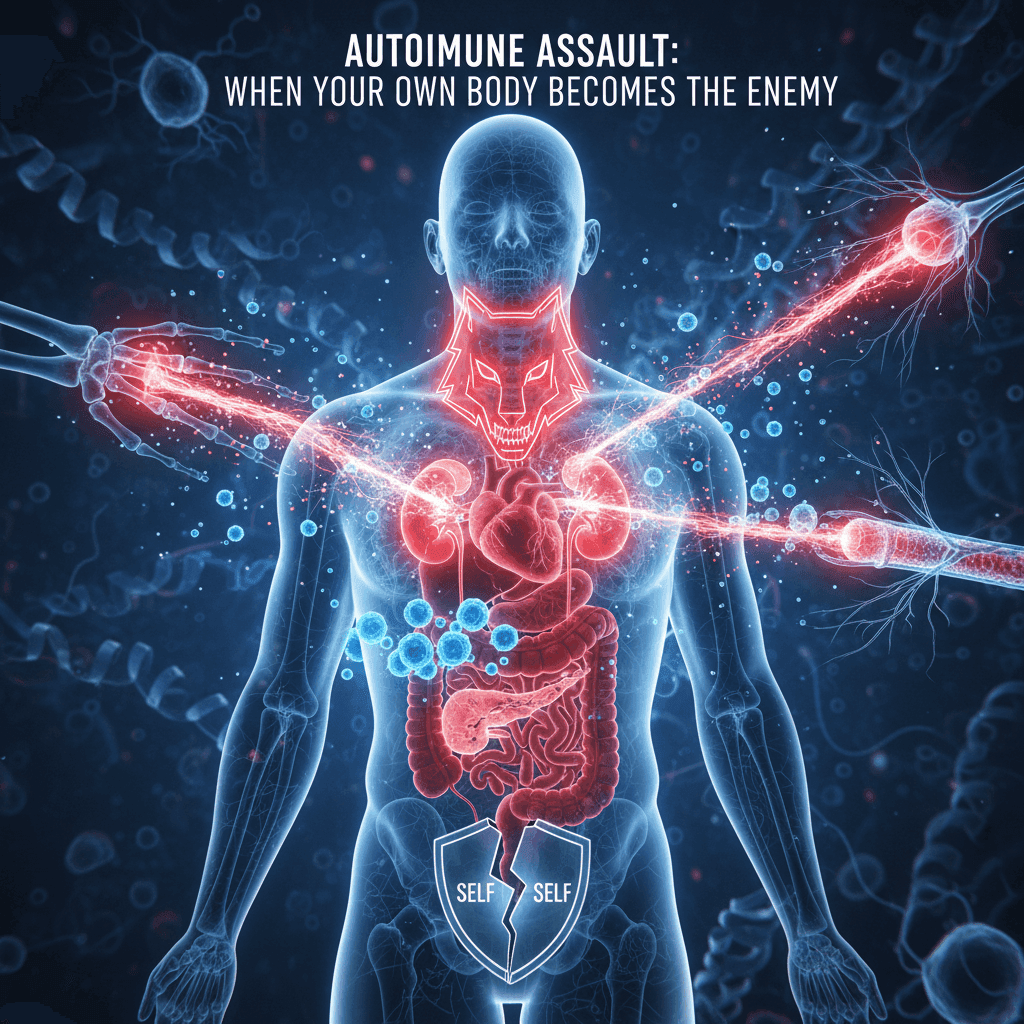
Immune System's Betrayal: Decoding Autoimmune Diseases Within
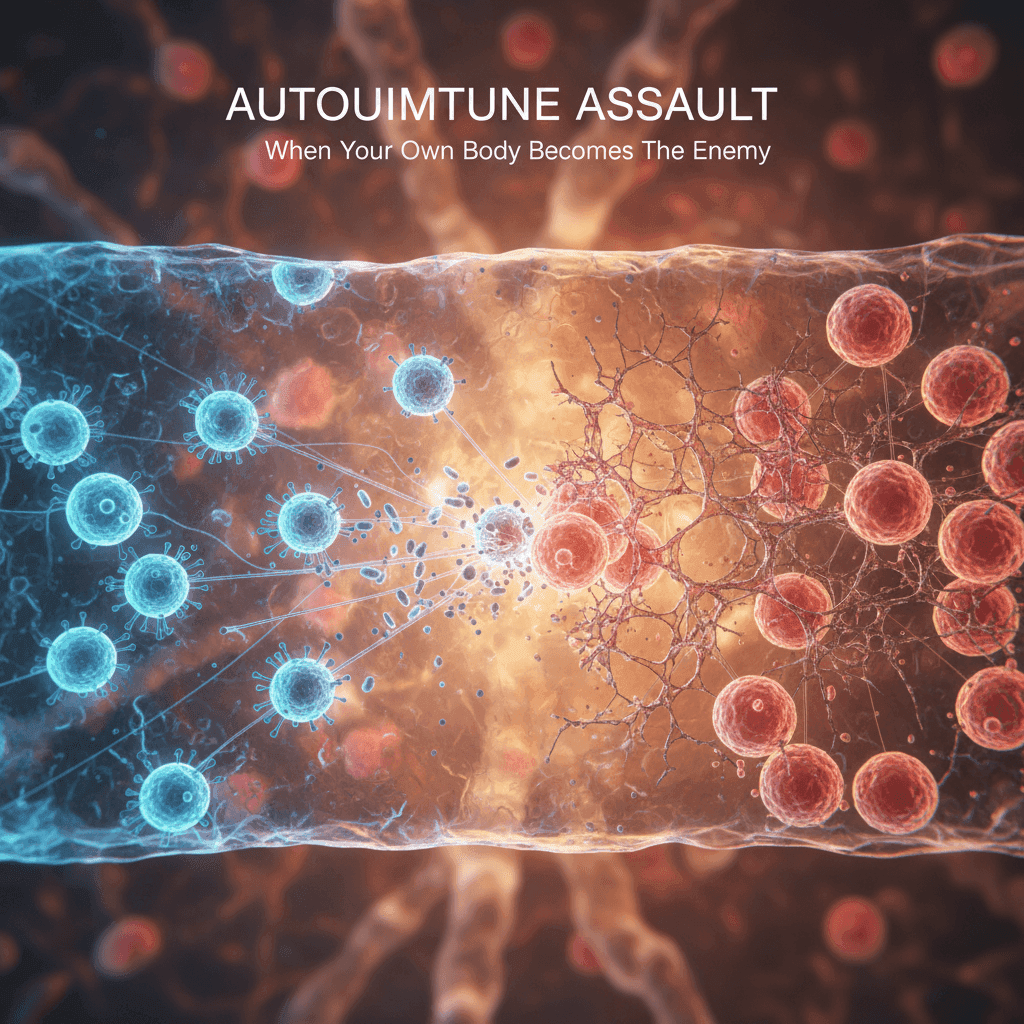
Imagine a home's security system, meticulously designed for protection, suddenly identifying its own residents as threats and launching an unyielding assault; this unsettling paradox precisely mirrors the profound internal conflict at the heart of autoimmune diseases, a catastrophic betrayal from within the body’s most vital defense mechanism. Our immune system, an exquisitely complex network engineered to distinguish between 'self' and dangerous foreign invaders, inexplicably misfires, mistakenly flagging healthy cells, tissues, and organs as alien adversaries. This fundamental error ignites a relentless and chronic inflammatory response, manifesting in an astonishingly diverse array of conditions that span the entire human physiology, from the debilitating joint destruction of rheumatoid arthritis to the systemic assault of lupus, the neurological challenges of multiple sclerosis, and metabolic disorders like Type 1 diabetes. Living with such an internal civil war translates into a reality marked by unpredictable symptom flares, soul-sapping fatigue, persistent pain, and often a protracted, frustrating journey toward an accurate diagnosis, profoundly eroding physical capabilities, mental well-being, and overall quality of life. This internal attack, demanding urgent attention and comprehensive understanding, underscores the critical importance of delving deep into the mechanisms, manifestations, and management strategies of these complex conditions, offering essential clarity and empowerment to those navigating this formidable landscape.

Jennifer Trimbee

Aug 19, 2025

0 reading now
What Causes Cysts and When to Worry
Cysts are fluid-filled sacs that can develop in various parts of the body, including the skin, ovaries, and internal organs. They are usually benign, meaning they are not cancerous, and are often caused by blockages in ducts, cell proliferation, or infections. Hormonal changes, genetic factors, and chronic inflammatory conditions can also contribute to cyst formation. While most cysts are harmless and may resolve on their own, some can become problematic if they grow large, cause pain, or become infected. It's important to monitor cysts and seek medical advice if they change in size, color, or sensation, or if they occur in conjunction with other symptoms.
Read more
Jennifer Trimbee
Aug 19, 2025

Disclaimer
This site offers information designed for educational purposes only. You should not rely on any information on this site as a substitute for professional medical advice, diagnosis, treatment, or as a substitute for, professional counseling care, advice, diagnosis, or treatment. If you have any concerns or questions about your health, you should always consult with a physician or other healthcare professional.