Breaking the Code: Understanding Invisible Illnesses & Their Impact
Diseases and Conditions
Dive deep into the complex world of invisible illnesses, conditions that defy easy visual detection but profoundly impact millions worldwide. This comprehensive post, 'Decoding Invisible Illnesses,' explores the often-misunderstood challenges faced by individuals living with chronic pain, autoimmune disorders, chronic fatigue syndrome, fibromyalgia, POTS, Ehlers-Danlos syndrome, and a myriad of other conditions that operate beneath the surface. We'll uncover the intricate reasons why these illnesses remain largely unseen, from the subtle nature of their symptoms to the systemic hurdles within healthcare that delay diagnosis and adequate treatment. Beyond simply defining what invisible illnesses are, this article provides a vital resource for both those who suffer from them and their allies. We delve into the agonizing journey to diagnosis, a path often fraught with skepticism, misdiagnosis, and emotional distress. Discover strategies for effective self-advocacy within the medical system, learning how to articulate your symptoms and experiences with clarity and conviction. We address the pervasive social stigma associated with 'invisible' suffering, offering insights into fostering empathy and understanding in personal relationships, the workplace, and broader community settings. Learn practical tips for managing daily life with an invisible illness, from implementing robust self-care routines to building a resilient support network. This post aims to empower individuals to reclaim their narratives, validate their experiences, and find strength in shared understanding. It's a call to action for greater awareness, compassion, and systemic change, ensuring that the battles fought in silence are finally heard and acknowledged. Join us as we illuminate the unseen, offering hope, guidance, and a powerful voice to those navigating the silent struggles of invisible illness.
The Unseen Battle: Decoding the World of Invisible Illnesses
Within the vast landscape of human health, there exists a profound and often perplexing realm of conditions known as invisible illnesses—ailments that, by their very nature, elude immediate visual detection yet wage relentless internal battles against millions worldwide. These are not merely abstract concepts but tangible realities for individuals grappling with chronic pain, autoimmune disorders, debilitating fatigue, and a myriad of other systemic dysfunctions that operate silently beneath the surface, defying outward appearances of wellness. From the persistent throbbing of fibromyalgia and the dizzying fluctuations of POTS, to the systemic intricacies of Ehlers-Danlos syndrome and the enigmatic exhaustion of chronic fatigue syndrome, these conditions demand a deeper understanding than superficial observation allows. This article, "Decoding Invisible Illnesses," embarks on a crucial journey to demystify this complex world, illuminating the intricate reasons why these illnesses remain largely unseen, from the subtle nuances of their symptoms to the significant systemic hurdles within healthcare that consistently delay accurate diagnosis and adequate treatment. We aim to pull back the veil on these silent struggles, providing a vital resource for both sufferers and their allies to navigate the often-fraught path towards recognition, empathy, and effective management, thereby transforming a solitary, unseen battle into a collective, understood endeavor and fostering greater awareness, compassion, and systemic change for those fighting in silence.
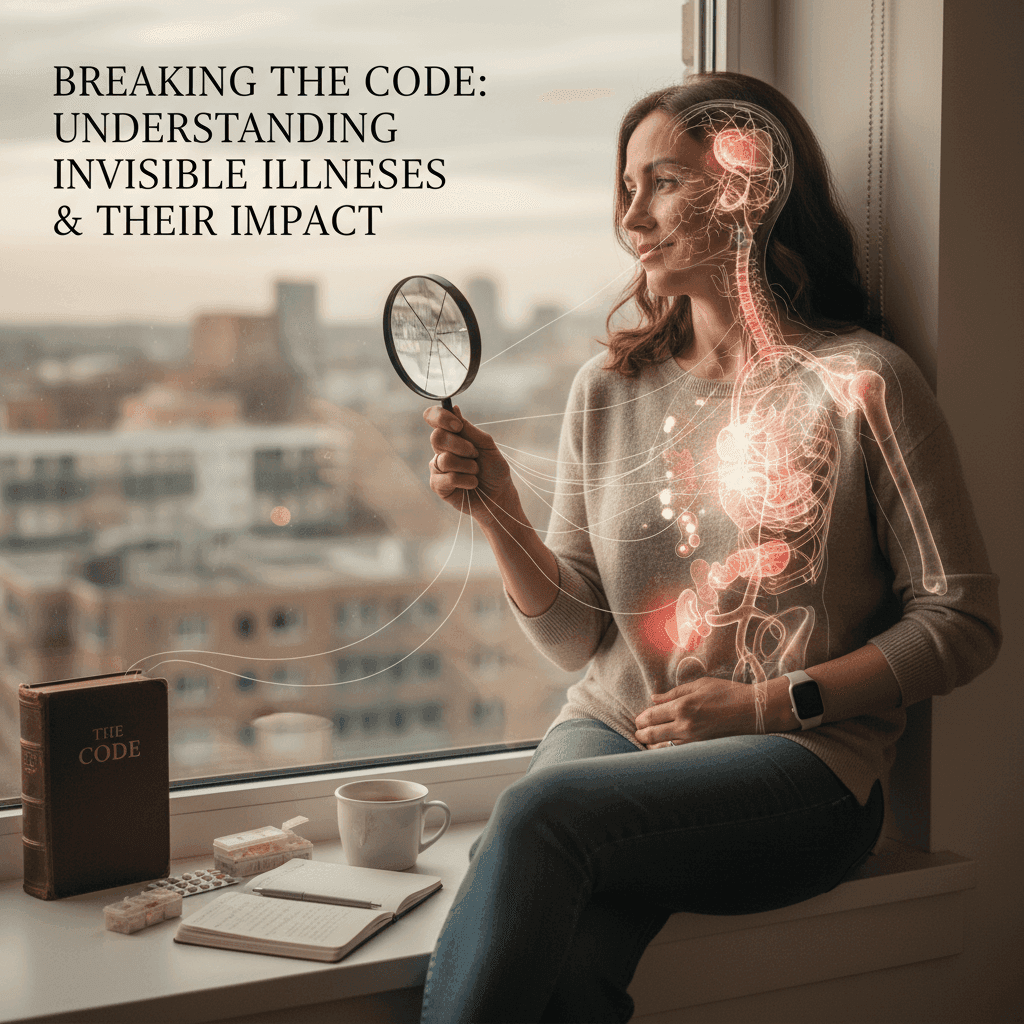
Unseen Struggles: Navigating the Complexities of Invisible Illnesses
Invisible illnesses present a unique and profoundly difficult challenge, not just for those who live with them, but also for the healthcare system and society at large, largely because their debilitating effects defy easy visual detection. Unlike conditions with outwardly apparent signs, chronic pain, autoimmune disorders, chronic fatigue syndrome, fibromyalgia, POTS, and Ehlers-Danlos syndrome, among many others, operate silently beneath the surface, manifesting through an array of often subtle, fluctuating, and misunderstood symptoms. This inherent invisibility often initiates an agonizing and protracted journey to diagnosis, a path frequently fraught with skepticism from medical professionals, leading to repeated misdiagnoses, invalidated experiences, and profound emotional distress. Patients find themselves battling not only the relentless symptoms of their illness but also a pervasive social stigma, where their suffering is often dismissed or minimized because they "look fine." The absence of visible markers can lead to a lack of empathy and understanding in personal relationships, workplaces, and broader community settings, leaving individuals feeling isolated, unheard, and constantly compelled to justify their reality. Navigating daily life becomes an intricate dance between managing unpredictable symptoms and confronting societal disbelief, making even the simplest tasks Herculean efforts. This silent struggle highlights a critical need for greater awareness, compassion, and a systemic shift in how these conditions are perceived and treated, ensuring that the battles fought in the shadows are finally acknowledged and supported.


Jennifer Trimbee

Aug 19, 2025

0 reading now
What Causes Cysts and When to Worry
Cysts are fluid-filled sacs that can develop in various parts of the body, including the skin, ovaries, and internal organs. They are usually benign, meaning they are not cancerous, and are often caused by blockages in ducts, cell proliferation, or infections. Hormonal changes, genetic factors, and chronic inflammatory conditions can also contribute to cyst formation. While most cysts are harmless and may resolve on their own, some can become problematic if they grow large, cause pain, or become infected. It's important to monitor cysts and seek medical advice if they change in size, color, or sensation, or if they occur in conjunction with other symptoms.
Read more
Jennifer Trimbee
Aug 19, 2025

Disclaimer
This site offers information designed for educational purposes only. You should not rely on any information on this site as a substitute for professional medical advice, diagnosis, treatment, or as a substitute for, professional counseling care, advice, diagnosis, or treatment. If you have any concerns or questions about your health, you should always consult with a physician or other healthcare professional.