The Invisible Enemy Within: Autoimmune Diseases Explained
Diseases and Conditions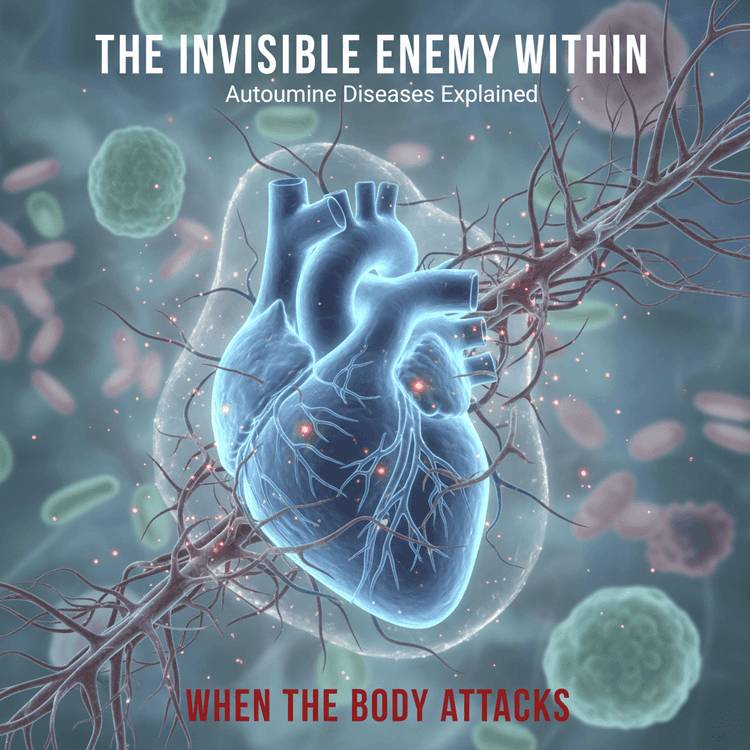
Imagine a scenario where your own body, the very fortress designed to protect you, turns against itself. This isn't a science fiction plot; it's the bewildering reality for millions grappling with conditions where their immune system, once a vigilant defender, begins to attack healthy cells, tissues, and organs. Our latest comprehensive article, 'When The Body Attacks,' delves deep into this complex and often devastating phenomenon, exploring the intricate mechanisms behind autoimmune diseases and other related immunological disorders. We unpack the mysteries of conditions like Lupus, Rheumatoid Arthritis, Multiple Sclerosis, Crohn's Disease, and Type 1 Diabetes, shedding light on how these chronic illnesses manifest and profoundly impact daily life. Beyond just defining these ailments, our post meticulously examines the diverse range of symptoms—from debilitating fatigue and persistent pain to organ damage and neurological dysfunction—that can emerge when the body's internal defenses go awry. Understanding the subtle yet significant signs is often the first crucial step toward diagnosis, a journey that can frequently be long and fraught with uncertainty for many patients. Furthermore, 'When The Body Attacks' explores the latest advancements in diagnostic techniques, offering hope for earlier and more accurate identification of these elusive conditions. We also venture into the evolving landscape of treatment options, discussing everything from immunosuppressants and biologics to lifestyle adjustments and emerging therapies designed to manage symptoms, slow disease progression, and ultimately improve the quality of life for those affected. But this article isn't just about the science and medicine; it's also about the human experience. We touch upon the emotional and psychological toll of living with a chronic condition where your own body feels like an enemy. We share insights into coping strategies, the importance of support networks, and advocate for greater awareness and understanding of these often invisible battles. Whether you are living with such a condition, caring for someone who is, or simply curious about the incredible complexity of the human immune system and its potential vulnerabilities, this post offers invaluable perspectives, detailed information, and a compassionate look at what happens when the body decides to attack itself.
The Immune System's Betrayal: Exploring Autoimmune Disorders
Ordinarily, our immune system stands as an unyielding guardian, a complex network of cells, tissues, and organs meticulously evolved to identify and neutralize foreign invaders – bacteria, viruses, and other pathogens that threaten our well-being. It is the body's vigilant defender, capable of distinguishing 'self' from 'non-self' with remarkable precision, launching targeted counter-attacks only when a genuine threat is detected. However, for millions worldwide, this finely tuned defense mechanism tragically falters, leading to a profound and bewildering betrayal from within. This is the essence of autoimmune disorders: a cruel twist of biological fate where the very system designed to protect us inexplicably turns hostile, mistaking healthy cells, tissues, and vital organs as dangerous intruders. Instead of safeguarding the body, it launches a sustained, misguided assault, systematically damaging everything from joints and skin to the brain, nerves, and internal organs. This internal conflict manifests in a bewildering array of chronic and often debilitating conditions, including the relentless joint pain of Rheumatoid Arthritis, the systemic inflammation of Lupus, the neurological disruption of Multiple Sclerosis, the digestive turmoil of Crohn's Disease, and the pancreatic destruction of Type 1 Diabetes. Each condition, though distinct in its primary targets, shares the common, devastating thread of an immune system gone rogue, leaving individuals to battle an invisible enemy that resides not outside, but deeply within their own biological framework, profoundly impacting every facet of their daily existence with symptoms ranging from debilitating fatigue and persistent pain to severe organ damage and neurological dysfunction.
Unraveling Autoimmune Diseases: When the Body Attacks Itself
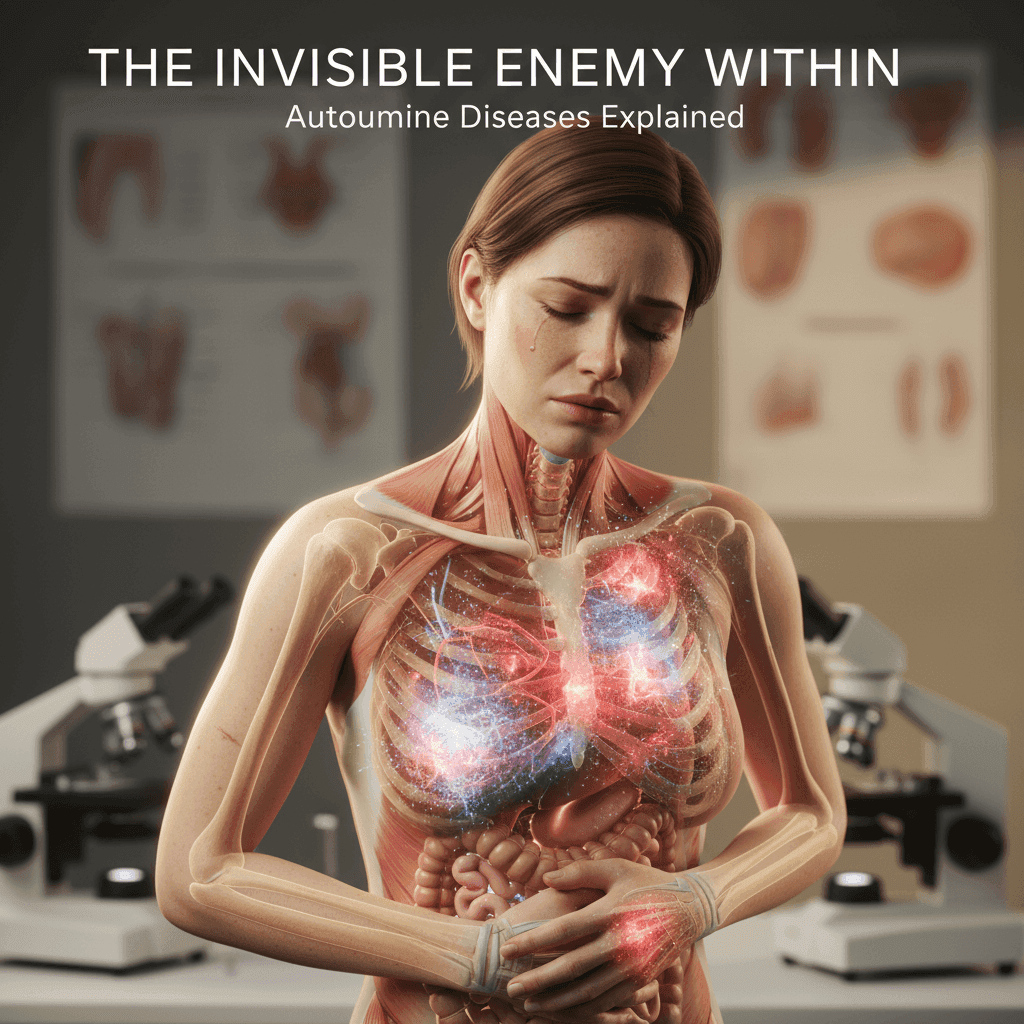
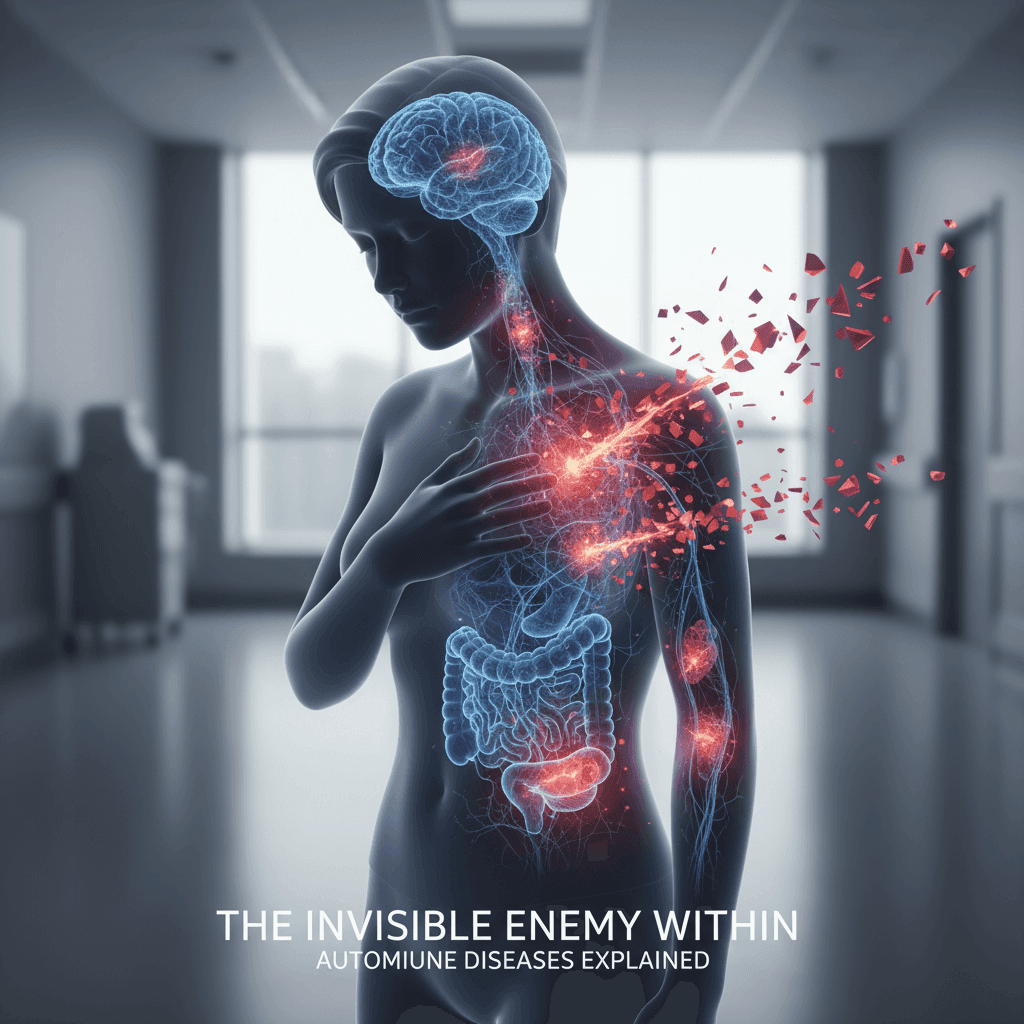
At the heart of countless chronic illnesses lies a profound biological paradox: the very immune system designed to protect us can, under bewildering circumstances, turn into an internal adversary, relentlessly attacking the body's own healthy cells, tissues, and organs. This isn't a rare anomaly but a devastating reality for millions worldwide, defining the complex landscape of autoimmune diseases. Conditions like Lupus, Rheumatoid Arthritis, Multiple Sclerosis, Crohn's Disease, and Type 1 Diabetes exemplify this intricate betrayal, manifesting through a diverse and often perplexing array of symptoms, from debilitating fatigue and persistent pain to severe organ damage and neurological dysfunction. The journey to diagnosis is frequently long and fraught with uncertainty, a testament to the elusive nature of these invisible battles, yet recognizing the subtle signs is undeniably the first critical step. Beyond merely identifying these ailments, understanding their intricate mechanisms is paramount, as is exploring the evolving frontiers of diagnostic techniques and an increasingly sophisticated arsenal of treatment options—ranging from targeted immunosuppressants and innovative biologics to crucial lifestyle adjustments and pioneering emerging therapies. Ultimately, unraveling autoimmune diseases extends beyond the scientific and medical intricacies; it encompasses acknowledging the immense emotional and psychological toll, fostering robust support networks, and championing greater awareness for those navigating life when their own body attacks itself, striving for improved quality of life and a future filled with more certainty.

Jennifer Trimbee

Aug 19, 2025

0 reading now
What Causes Cysts and When to Worry
Cysts are fluid-filled sacs that can develop in various parts of the body, including the skin, ovaries, and internal organs. They are usually benign, meaning they are not cancerous, and are often caused by blockages in ducts, cell proliferation, or infections. Hormonal changes, genetic factors, and chronic inflammatory conditions can also contribute to cyst formation. While most cysts are harmless and may resolve on their own, some can become problematic if they grow large, cause pain, or become infected. It's important to monitor cysts and seek medical advice if they change in size, color, or sensation, or if they occur in conjunction with other symptoms.
Read more
Jennifer Trimbee
Aug 19, 2025

Disclaimer
This site offers information designed for educational purposes only. You should not rely on any information on this site as a substitute for professional medical advice, diagnosis, treatment, or as a substitute for, professional counseling care, advice, diagnosis, or treatment. If you have any concerns or questions about your health, you should always consult with a physician or other healthcare professional.