Invisible Illness: The Daily Fight No One Sees
Diseases and Conditions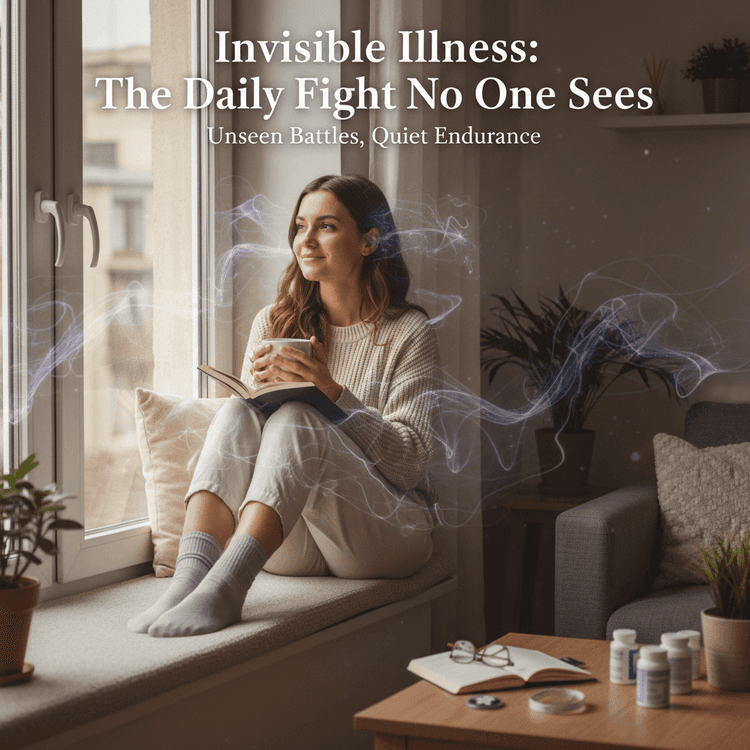
The post delves into the complex and often-misunderstood world of invisible illnesses, shining a much-needed spotlight on the profound challenges faced by millions whose suffering is hidden from plain sight. We explore the myriad conditions that manifest internally – from debilitating chronic pain and pervasive fatigue to neurological disorders, autoimmune diseases, and mental health struggles – all existing without outward physical indicators. This piece unveils the "unseen battles" that define daily existence for those living with these conditions, illustrating how every moment can be a testament to incredible resilience and quiet endurance. Discover the emotional landscape of constant invalidation, the exhaustion of perpetually justifying one's symptoms, and the deep-seated frustration of being told, "but you look fine." This description meticulously dissects the pervasive societal stigma that dismisses suffering not immediately visible, leading to isolation, misdiagnosis, and a profound sense of loneliness. We uncover the intricate ways invisible illnesses impact careers, relationships, social interactions, and personal identity, often forcing individuals to adapt their entire lives around unpredictable flares and chronic symptoms. Furthermore, this post emphasizes the vital importance of empathy and awareness. It serves as a powerful call to action for a more compassionate society, urging readers to look beyond appearances and to truly listen to the experiences of others. We explore effective strategies for self-advocacy, the crucial role of finding supportive communities, and practical ways allies can better understand and support friends, family, and colleagues who are silently struggling. By sharing personal narratives and expert insights, we aim to dismantle misconceptions, fostering an environment where all forms of illness, visible or not, are met with understanding, respect, and dignity. Join us in this essential conversation to cultivate a world that acknowledges the validity of every individual's health journey, advocating for greater recognition and a truly inclusive approach to well-being.
Invisible Illnesses: Unseen Battles for Empathy and Awareness
Invisible illnesses present a profound paradox: conditions that silently ravage the body and mind, yet remain imperceptible to the outside world, forcing millions to wage unseen battles daily. This pervasive invisibility breeds a landscape of constant invalidation, where profound suffering is routinely dismissed with the dismissive phrase, "but you look fine," leaving individuals exhausted from perpetually justifying their very real symptoms. The struggle extends beyond physical discomfort, manifesting as a deep-seated emotional toll marked by isolation, frequent misdiagnosis, and an overwhelming sense of loneliness as society often fails to acknowledge what it cannot see. Living with these conditions demands immense resilience and quiet endurance, as every moment can become a testament to an inner strength honed by unpredictable flares and chronic symptoms that redefine careers, relationships, social interactions, and personal identity. Our article serves as a vital call to action for a more compassionate society, urging everyone to look beyond superficial appearances and truly listen to the lived experiences of others. By fostering empathy and cultivating greater awareness, we can collectively dismantle the pervasive societal stigma that marginalizes those whose battles are fought internally, paving the way for an environment where all forms of illness, visible or not, are met with the understanding, respect, and dignity they inherently deserve, ensuring no one feels alone in their journey.

Shining a Light on the Unseen Battles of Invisible Illness
Invisible illnesses, often overlooked due to their very nature of being hidden, represent a vast and complex landscape of human suffering that millions navigate daily, battling conditions that leave no outward physical scars yet profoundly impact every facet of existence. These unseen struggles encompass a wide spectrum, from the relentless grip of chronic pain and the debilitating fog of pervasive fatigue to the intricate challenges posed by neurological disorders, autoimmune diseases, and persistent mental health conditions, all demanding an extraordinary level of resilience and quiet endurance from those affected. Despite the immense internal turmoil and the constant effort required to manage symptoms, individuals frequently face the crushing invalidation of being told, "but you look fine," perpetuating a cycle of gaslighting and exhaustion as they are compelled to perpetually justify their reality. This societal dismissal of suffering not immediately visible fuels pervasive stigma, leading to profound isolation, frustrating misdiagnoses, and a deep-seated sense of loneliness that further compounds their illness. The impact ripples through careers, relationships, and social interactions, forcing individuals to meticulously adapt their entire lives around unpredictable flares and chronic symptoms, often sacrificing aspirations and connections. This article aims to shine an indispensable light on these unseen battles, advocating for a more empathetic and aware society that looks beyond appearances, truly listens to personal narratives, and acknowledges the profound validity of every individual's health journey, fostering an environment where understanding, respect, and dignity prevail for all forms of illness.


Jennifer Trimbee

Aug 19, 2025

0 reading now
What Causes Cysts and When to Worry
Cysts are fluid-filled sacs that can develop in various parts of the body, including the skin, ovaries, and internal organs. They are usually benign, meaning they are not cancerous, and are often caused by blockages in ducts, cell proliferation, or infections. Hormonal changes, genetic factors, and chronic inflammatory conditions can also contribute to cyst formation. While most cysts are harmless and may resolve on their own, some can become problematic if they grow large, cause pain, or become infected. It's important to monitor cysts and seek medical advice if they change in size, color, or sensation, or if they occur in conjunction with other symptoms.
Read more
Jennifer Trimbee
Aug 19, 2025

Disclaimer
This site offers information designed for educational purposes only. You should not rely on any information on this site as a substitute for professional medical advice, diagnosis, treatment, or as a substitute for, professional counseling care, advice, diagnosis, or treatment. If you have any concerns or questions about your health, you should always consult with a physician or other healthcare professional.