Beyond Butterflies: Your Gut's Secret Impact on Your Mood
Your Health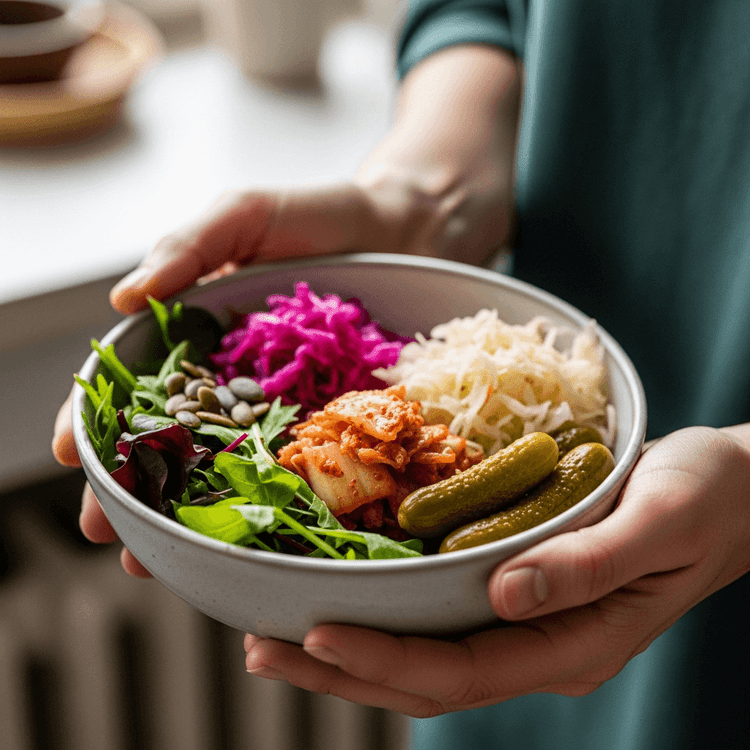
Dive deep into the fascinating and often underestimated connection between your digestive system and your emotional landscape in our latest insightful post, 'Your Gut, Your Mood.' Have you ever considered that the rumblings in your stomach might be intricately linked to the stirrings in your mind? This comprehensive exploration unravels the mysteries of the gut-brain axis, a bidirectional communication pathway that constantly relays vital information between your enteric nervous system and your central nervous system. We delve into the astonishing fact that a significant portion of your body's neurotransmitters, including the 'feel-good' chemical serotonin, are actually produced in your gut, not just your brain. Discover how the diverse ecosystem of microorganisms residing within your intestines, collectively known as the gut microbiome, plays a pivotal role in regulating everything from your stress response to your overall mental resilience. Learn about the profound impact that gut dysbiosis – an imbalance in this delicate microbial community – can have on your mood, contributing to feelings of anxiety, depression, and even impacting cognitive function. We illuminate the science behind how inflammation originating in the gut can cross the blood-brain barrier, affecting neurological processes and altering emotional states. This post isn't just about understanding the 'why'; it's about empowering you with the 'how.' We provide actionable insights and practical strategies to foster a healthier gut, which in turn can lead to a more balanced and positive mood. From dietary choices rich in prebiotics and probiotics to lifestyle adjustments that reduce stress and support microbial diversity, we offer a holistic roadmap to optimize both your digestive well-being and your mental clarity. Explore the power of nutrient-dense foods, the benefits of fermented delights, and the importance of mindful eating in cultivating a harmonious internal environment. Prepare to transform your understanding of health and embark on a journey towards enhanced vitality, starting from your core. Unlock the secret to a happier you by nurturing your gut.
The Gut-Brain Highway: How Digestion Drives Your Emotional State
Have you ever truly considered the profound and often overlooked dialogue occurring constantly between your digestive system and your emotional landscape? Far from being a mere food processor, your gut serves as a critical command center, intricately connected to your brain via a complex, bidirectional communication network aptly named the gut-brain axis – a true "gut-brain highway." This sophisticated pathway involves not just direct neural connections like the vagus nerve, but also a constant exchange of biochemical signals, hormones, and a remarkable array of neurotransmitters. It might surprise you to learn that a staggering majority of your body's serotonin, often dubbed the "feel-good" chemical, is actually synthesized and stored in your gut, not solely in your brain, highlighting the digestive system's direct and profound influence on your mood. Furthermore, the trillions of microorganisms residing within your intestines, collectively known as the gut microbiome, act as potent regulators of this entire system. This diverse ecosystem of bacteria, fungi, and viruses doesn't just aid digestion; it actively produces its own neuroactive compounds, modulates inflammatory responses throughout the body, and can significantly impact your stress resilience and overall mental well-being. An imbalance in this delicate microbial community, known as dysbiosis, can send distress signals up this gut-brain highway, potentially contributing to feelings of anxiety, depression, and even influencing cognitive function, demonstrating just how deeply your digestive health is intertwined with every facet of your emotional state and mental clarity.

From Microbiome to Mind: Optimizing Gut Health for Better Mood
The intricate world of your gut microbiome, a bustling ecosystem of trillions of microorganisms residing within your intestines, plays a far more profound role in your emotional landscape than previously imagined. This diverse microbial community is not merely involved in digestion; it's a key player in the bidirectional communication along the gut-brain axis, constantly sending and receiving signals that directly influence your mood and cognitive function. Astoundingly, a significant portion of your body's neurotransmitters, including the 'feel-good' chemical serotonin—up to 90% of it—is produced and regulated in your gut, highlighting just how intertwined your digestive and mental well-being truly are. When this delicate microbial balance, known as gut dysbiosis, is disrupted, it can have cascading negative effects, contributing to feelings of anxiety, depression, and even impairing cognitive clarity by fostering inflammation that can cross the blood-brain barrier. Therefore, optimizing the health and diversity of your gut microbiome is a powerful strategy for cultivating a more balanced and positive mood. This optimization involves conscious dietary choices rich in prebiotic fibers, which nourish beneficial gut bacteria, and probiotic-rich fermented foods like yogurt, kimchi, and sauerkraut that introduce new beneficial strains. Beyond nutrition, lifestyle adjustments such as regular stress reduction techniques, adequate sleep, and mindful eating practices are crucial for nurturing a resilient microbiome. By actively fostering a harmonious internal environment through these holistic approaches, you empower your gut to produce essential mood-regulating compounds, reduce systemic inflammation, and ultimately bolster your mental resilience, paving the way for enhanced vitality and a happier, more stable emotional state. Embracing this holistic perspective on gut health is not just about digestion; it's a fundamental step towards unlocking a healthier mind.


Jennifer Trimbee

Aug 19, 2025

0 reading now
What Causes Cysts and When to Worry
Cysts are fluid-filled sacs that can develop in various parts of the body, including the skin, ovaries, and internal organs. They are usually benign, meaning they are not cancerous, and are often caused by blockages in ducts, cell proliferation, or infections. Hormonal changes, genetic factors, and chronic inflammatory conditions can also contribute to cyst formation. While most cysts are harmless and may resolve on their own, some can become problematic if they grow large, cause pain, or become infected. It's important to monitor cysts and seek medical advice if they change in size, color, or sensation, or if they occur in conjunction with other symptoms.
Read more
Jennifer Trimbee
Aug 19, 2025
Disclaimer
This site offers information designed for educational purposes only. You should not rely on any information on this site as a substitute for professional medical advice, diagnosis, treatment, or as a substitute for, professional counseling care, advice, diagnosis, or treatment. If you have any concerns or questions about your health, you should always consult with a physician or other healthcare professional.