The Gut-Brain Loop: How Your Belly Shapes Your Thoughts & Health
Your Health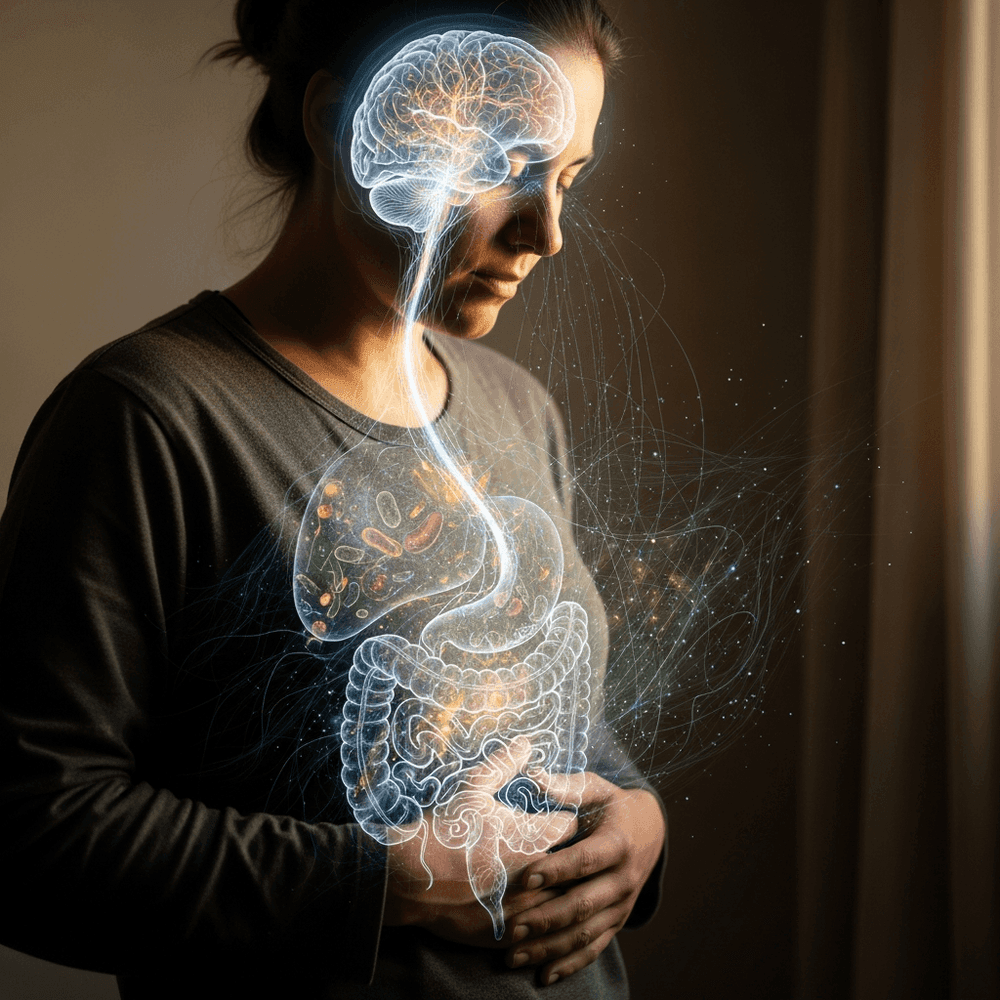
Uncover the profound and intricate relationship between your digestive system and your mind in our latest deep dive into The Gut-Brain Connection. This isn't merely a fascinating concept; it's a fundamental biological highway constantly transmitting signals that influence everything from your mood and cognitive function to your body's stress response. Explore the groundbreaking science behind this bidirectional communication system, examining the critical roles of the vagus nerve, a complex network of neurotransmitters, and the astonishingly diverse microbial ecosystem residing within your gut. We’ll demystify how your gut microbiome, often referred to as your "second brain," directly impacts neurotransmitter production like serotonin, potentially shaping your emotional well-being and susceptibility to anxiety and depression. Delve into practical insights on how diet, lifestyle choices, and even stress management techniques can powerfully modulate this connection, offering tangible strategies to foster a healthier gut and, consequently, a more resilient mind. Understand why nurturing your gut health extends far beyond digestion, becoming a cornerstone for mental clarity, emotional stability, and overall vitality. This comprehensive exploration provides an essential framework for anyone seeking to optimize their holistic health, unveiling actionable steps to harmonize these two interconnected systems. Prepare to rethink wellness as you discover the incredible power held within your own digestive tract to transform your mental landscape.
Demystifying the Gut-Brain Highway: Mood, Cognition, and Microbes
The profound interplay between your digestive system and your brain is far more than a mere hypothesis; it's a bustling, bidirectional "gut-brain highway" constantly transmitting vital signals that profoundly influence every aspect of your mental landscape, from your daily mood to your keenest cognitive functions. This intricate connection is underpinned by a complex network of biological mechanisms, most notably the vagus nerve, which acts as a superhighway for communication, alongside a rich tapestry of neurotransmitters produced not just in your brain, but significantly within your gut. Indeed, your gut microbiome – that astonishingly diverse ecosystem of trillions of microorganisms residing within you – plays a pivotal role, often dubbed your "second brain" due to its direct impact on the production of essential neurochemicals like serotonin. This crucial neurotransmitter, predominantly synthesized in the gut, is a key regulator of emotional well-being, directly influencing your feelings of happiness, your resilience against stress, and your susceptibility to conditions such as anxiety and depression. Understanding this dynamic relationship isn't just about intellectual curiosity; it's about recognizing how dietary choices, lifestyle habits, and even mindfulness practices can powerfully modulate this communication pathway. By nurturing a healthy gut, we aren't just improving digestion; we are actively fostering mental clarity, enhancing emotional stability, and building a foundation for overall vitality, fundamentally transforming our approach to holistic wellness and unlocking the incredible potential for a healthier, more resilient mind embedded within our own digestive tract.

Harnessing Your Gut Microbiome for a Resilient Mind
The remarkable ecosystem within your gut, often termed your "second brain," represents a powerful frontier for cultivating mental resilience. Far from a mere digestive aid, this astonishingly diverse community of trillions of microorganisms, the gut microbiome, exerts a profound and direct influence on your cognitive function, mood regulation, and stress response. It acts as a biochemical factory, meticulously synthesizing a vast array of compounds, including crucial neurotransmitters like serotonin, dopamine, and GABA, which are indispensable for emotional stability and clarity. A balanced and rich microbiome is instrumental in producing up to 90% of the body's serotonin, a key modulator of happiness and well-being, directly impacting your susceptibility to anxiety and depression. Furthermore, this internal ecosystem plays a vital role in modulating systemic inflammation, a known contributor to various mental health challenges, by maintaining the integrity of the gut barrier and influencing immune responses. Harnessing this intricate power for a more resilient mind involves conscious efforts to nourish its diversity and balance. Strategic dietary choices, prioritizing fiber-rich fruits, vegetables, and whole grains, along with fermented foods brimming with beneficial bacteria, are paramount. Lifestyle interventions, including regular physical activity, adequate sleep, and effective stress management techniques, further bolster a thriving microbial community. By intentionally cultivating a robust and harmonious gut microbiome, you actively strengthen this foundational pillar of the gut-brain axis, thereby laying the groundwork for enhanced mental clarity, emotional fortitude, and an elevated capacity to navigate life's stressors with greater resilience and vitality, transforming your internal landscape for holistic well-being.

Jennifer Trimbee

Aug 19, 2025

0 reading now
What Causes Cysts and When to Worry
Cysts are fluid-filled sacs that can develop in various parts of the body, including the skin, ovaries, and internal organs. They are usually benign, meaning they are not cancerous, and are often caused by blockages in ducts, cell proliferation, or infections. Hormonal changes, genetic factors, and chronic inflammatory conditions can also contribute to cyst formation. While most cysts are harmless and may resolve on their own, some can become problematic if they grow large, cause pain, or become infected. It's important to monitor cysts and seek medical advice if they change in size, color, or sensation, or if they occur in conjunction with other symptoms.
Read more
Jennifer Trimbee
Aug 19, 2025

Disclaimer
This site offers information designed for educational purposes only. You should not rely on any information on this site as a substitute for professional medical advice, diagnosis, treatment, or as a substitute for, professional counseling care, advice, diagnosis, or treatment. If you have any concerns or questions about your health, you should always consult with a physician or other healthcare professional.