Mind Over Medicine: Unlocking the Placebo Effect's Secrets
Diseases and Conditions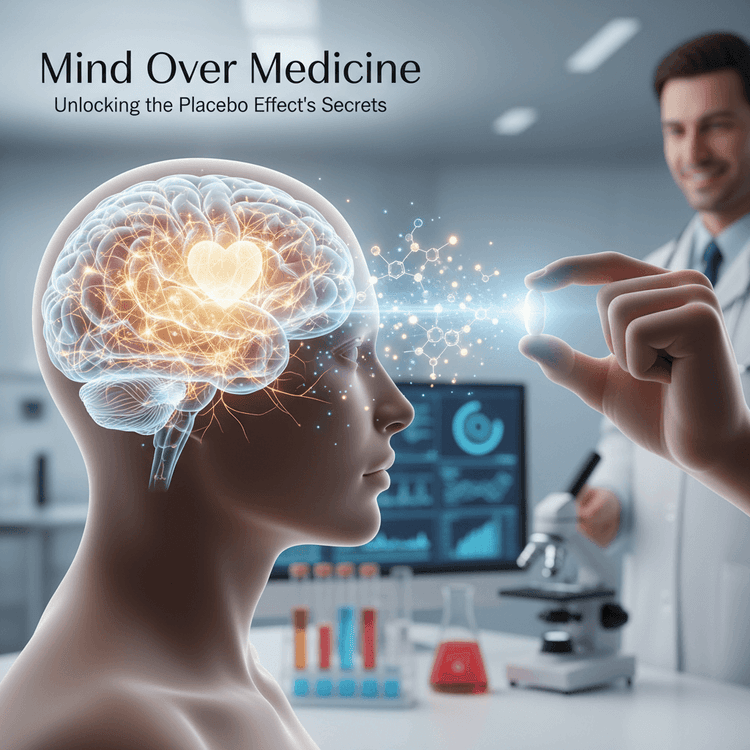
Dive deep into the enigmatic world of the placebo effect, a phenomenon so profound it challenges our conventional understanding of healing and the human body. Far from being a mere trick of the mind or a figment of imagination, the placebo effect is a scientifically recognized, powerful mechanism demonstrating the incredible capacity of our brains to influence physiological responses and health outcomes. This comprehensive exploration unravels the intricate layers behind why a sugar pill can sometimes alleviate pain, reduce anxiety, or even improve symptoms of chronic conditions. We delve into the neurobiological underpinnings, examining how expectation, belief, and the ritual of treatment can trigger real chemical changes within the body, releasing endogenous opioids, dopamine, and other neurotransmitters that actively combat illness and discomfort. Discover how the power of suggestion and the context of care play pivotal roles in activating these inherent healing processes. We're moving beyond the simplistic notion that the placebo effect is solely 'all in your head' to reveal a sophisticated interplay between psychological states, neurological pathways, and the body's self-repair systems. Understanding this mechanism is not just an academic exercise; it has profound implications for modern medicine, informing better patient care, enhancing therapeutic interventions, and guiding future drug development. From the impact of a doctor's empathy to the environmental cues of a hospital, every element contributes to shaping the patient's internal pharmacy. This post unpacks groundbreaking research and compelling case studies that illuminate the true extent of the placebo effect's influence, from managing chronic pain and irritable bowel syndrome to potentially accelerating recovery times and reducing reliance on pharmacological treatments in certain contexts. We will confront the ethical considerations surrounding its utilization in clinical practice and explore how we might ethically harness this intrinsic healing potential to complement conventional therapies, rather than replacing them. Prepare to have your perceptions of health, sickness, and the remarkable resilience of the human spirit transformed. Join us as we journey into the heart of the mind-body connection, revealing how our thoughts, beliefs, and expectations are not just passive observers but active participants in our journey towards wellness, offering a beacon of hope and a testament to the extraordinary power dwelling within each of us.
Unlocking the Brain's Healing Power: The Science of Placebo
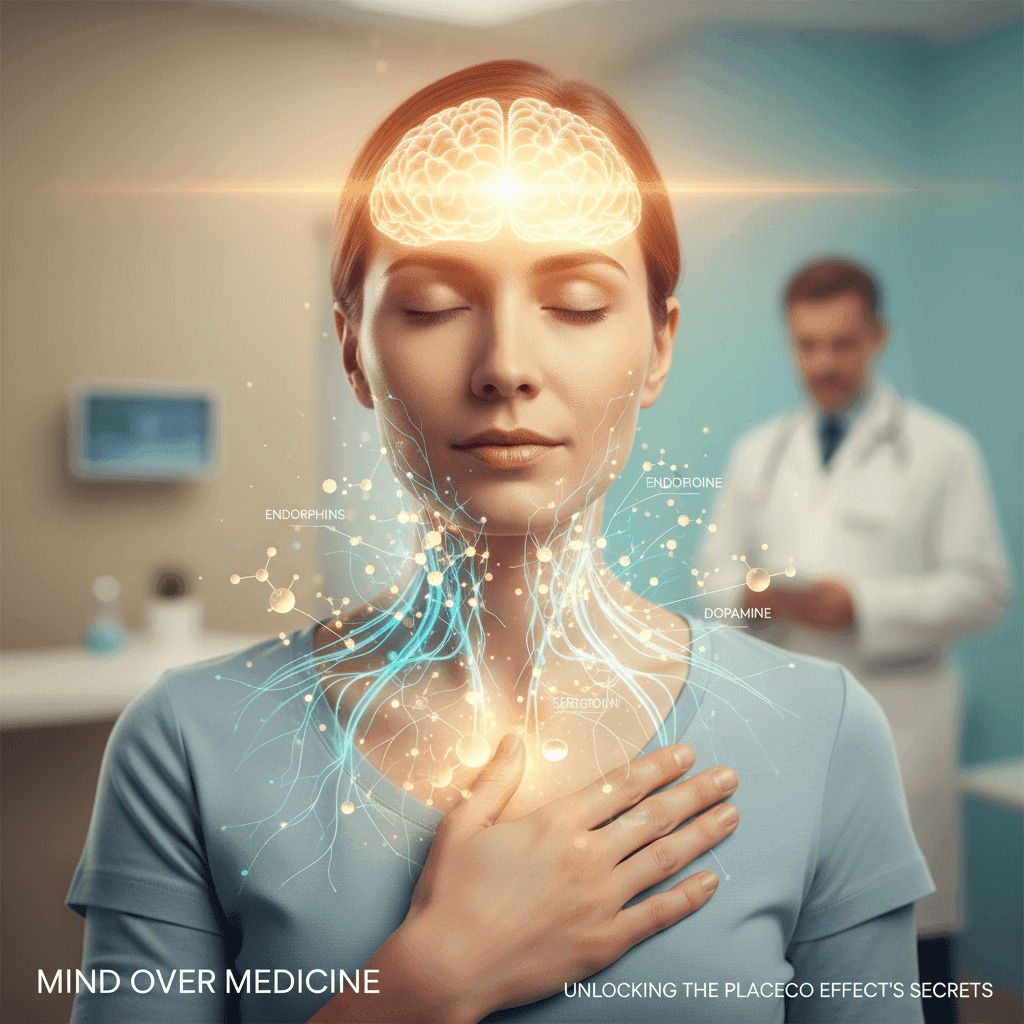
The placebo effect, far from being a mere psychological trick, stands as a profound testament to the human brain's extraordinary capacity to directly influence physiological well-being. This scientifically recognized phenomenon unveils a sophisticated interplay where expectation, belief, and the entire ritual of treatment initiate genuine neurobiological changes within the body. It's an intricate dance of neural pathways activating internal pharmacies, prompting the release of powerful endogenous chemicals such as opioids, dopamine, and cannabinoids. These naturally occurring substances are not passive observers; they actively modulate pain perception, reduce inflammation, improve mood, and enhance the body's innate healing mechanisms. Researchers are increasingly pinpointing the specific brain regions and neurotransmitter systems involved, moving beyond the simplistic notion of "it's all in your head" to reveal a tangible, measurable cascade of events. When a patient believes in the efficacy of a treatment, even an inert one, their brain can generate real, measurable physiological responses that directly combat illness and discomfort, fundamentally challenging our understanding of healing and the mind-body connection. This intricate internal pharmacy, activated by our very beliefs and the context of care, holds immense potential for therapeutic advancement, underscoring the brain's role not just as a command center but as a powerful, self-healing organ.
Placebo Power: How Beliefs Activate the Body's Internal Pharmacy
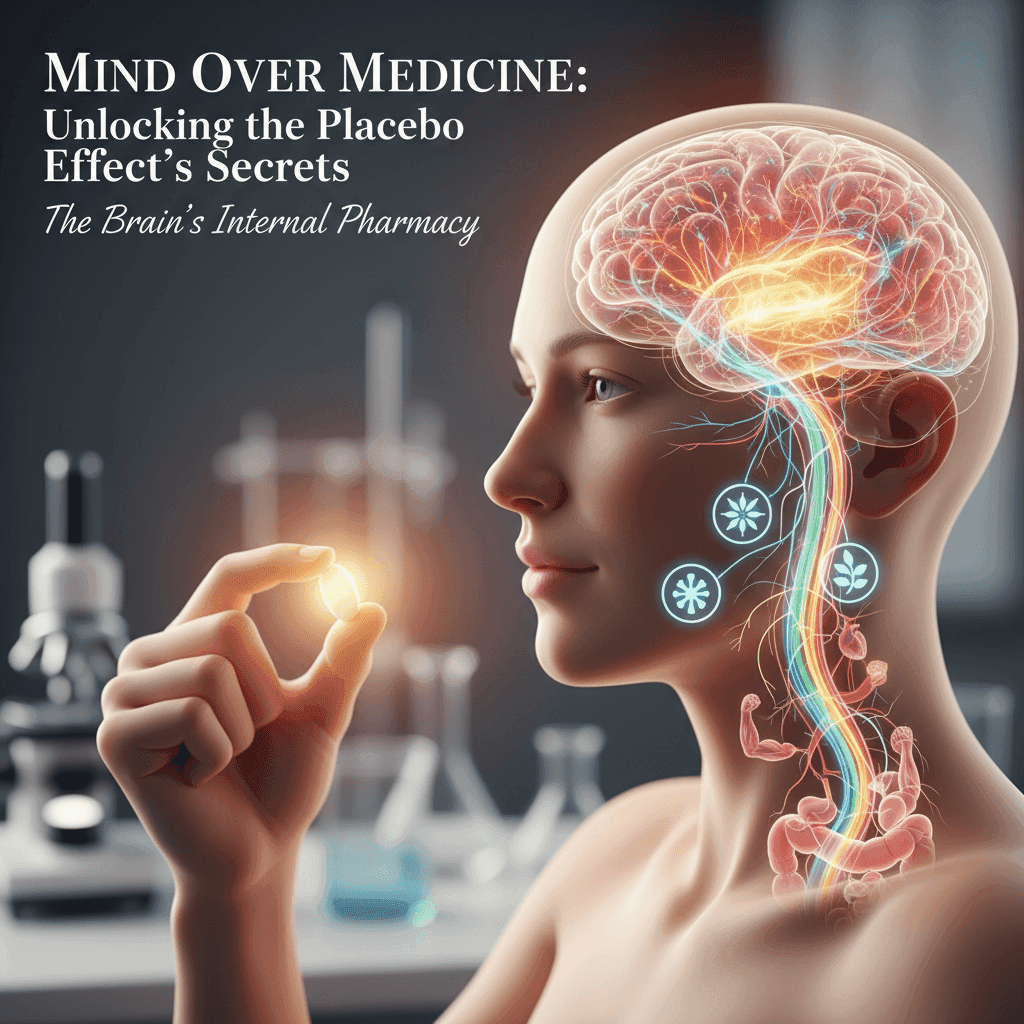
Far from being a mere psychological illusion, the placebo effect stands as a profound testament to the astonishing capacity of the human mind to actively sculpt physiological reality. It is within the intricate tapestry of our beliefs, expectations, and the very ritual of treatment that the body's latent healing potential, often dubbed its 'internal pharmacy,' is powerfully activated. When a patient genuinely expects relief, whether from a sugar pill or a saline injection, their brain doesn't just passively observe; it springs into action, triggering a cascade of neurobiological events. This involves the intricate release of endogenous opioids, nature's own pain relievers, alongside dopamine, which influences mood and motivation, and other vital neurotransmitters that directly modulate pain, inflammation, and anxiety. This sophisticated interplay demonstrates that the power of suggestion, reinforced by a caring therapeutic environment and the perceived authority of a healthcare provider, can literally flip switches within our central nervous system, eliciting real, measurable biochemical and physiological changes that actively combat symptoms and promote wellness. This isn't 'all in your head' in a dismissive sense, but rather a sophisticated dance between psychological states and neurological pathways, harnessing the body's innate self-repair systems to profoundly influence health outcomes and offering a compelling new lens through which to view healing and the potent connection between mind and body.

Jennifer Trimbee

Aug 19, 2025

0 reading now
What Causes Cysts and When to Worry
Cysts are fluid-filled sacs that can develop in various parts of the body, including the skin, ovaries, and internal organs. They are usually benign, meaning they are not cancerous, and are often caused by blockages in ducts, cell proliferation, or infections. Hormonal changes, genetic factors, and chronic inflammatory conditions can also contribute to cyst formation. While most cysts are harmless and may resolve on their own, some can become problematic if they grow large, cause pain, or become infected. It's important to monitor cysts and seek medical advice if they change in size, color, or sensation, or if they occur in conjunction with other symptoms.
Read more
Jennifer Trimbee
Aug 19, 2025
Disclaimer
This site offers information designed for educational purposes only. You should not rely on any information on this site as a substitute for professional medical advice, diagnosis, treatment, or as a substitute for, professional counseling care, advice, diagnosis, or treatment. If you have any concerns or questions about your health, you should always consult with a physician or other healthcare professional.