The Invisible Threads: Understanding Your Family's Unwritten Rules
Family
Delve into the fascinating, often perplexing world of unwritten family rules – the unspoken agreements, hidden expectations, and implicit boundaries that subtly (or not so subtly) govern our interactions and shape our lives within the family unit. Every family, regardless of its unique dynamic, operates under a complex web of these invisible guidelines. They dictate who speaks when, how emotions are expressed, what topics are off-limits, the roles each member is expected to play, and even how conflict is (or isn't) resolved. These aren't just minor quirks; they are deeply embedded scripts that profoundly influence our self-perception, our relationships, and even our life choices. These unwritten rules aren't codified; they're absorbed through observation, experience, and the subtle cues we pick up from childhood, often becoming second nature. While some can foster a powerful sense of belonging, tradition, and security, others can be incredibly restrictive, leading to chronic misunderstandings, simmering resentment, and the unconscious perpetuation of unhelpful patterns across generations. Have you ever felt a strange tension around certain subjects during family gatherings, or found yourself automatically adopting a particular role without ever being explicitly asked or understanding why? That’s almost certainly an unwritten rule at play, a silent command dictating behavior and emotional responses. This insightful post embarks on an illuminating journey to explore the origins of these invisible scripts, tracing them from historical precedents and cultural backgrounds to family trauma, personality dynamics, and the unique circumstances that shape each household. More importantly, we'll equip you with practical tools and profound insights to identify these hidden rules within your own family system. Understanding them is not merely an academic exercise; it's the first crucial step towards creating healthier, more authentic, and genuinely fulfilling family dynamics. We'll discuss how acknowledging these unspoken truths can empower you to challenge limiting beliefs, communicate more effectively, establish clearer and more respectful boundaries, and ultimately foster relationships built on genuine understanding and explicit consent, rather than silent obligation or inherited duty. Discover how to transform the unseen into the understood, paving the way for profound shifts in your personal well-being and the collective health of your family unit. This exploration promises to illuminate aspects of your family life you never consciously considered, offering a pathway to greater freedom, deeper connection, and lasting peace.
From Unseen to Understood: Unraveling Your Family's Silent Rules
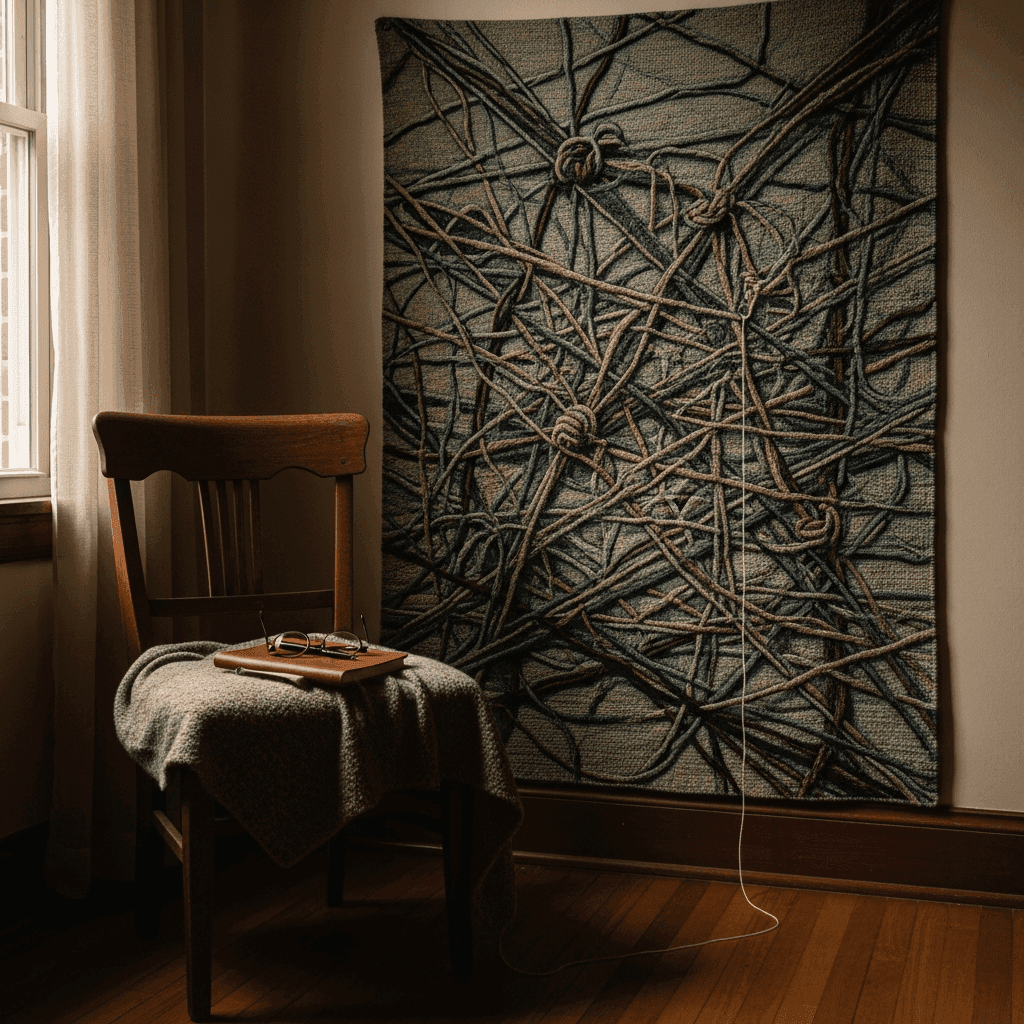
Embarking on the journey from the unseen to the understood is perhaps the most profound step you can take towards transforming your family dynamics and fostering deeper, more authentic connections. For too long, these unwritten rules have operated in the shadows, silent conductors orchestrating our interactions, dictating our emotional responses, and subtly shaping our very identities within the family system. They are the invisible threads woven through generations, passed down without explicit instruction, yet carrying immense weight and influence. Recognizing that these pervasive patterns exist, and understanding their historical, cultural, or even traumatic roots, liberates us from the unconscious perpetuation of behaviors that may no longer serve us. This isn't merely an academic exercise; it's an empowering act of self-discovery and relational renewal. By bringing these hidden scripts into the light of conscious awareness, we gain the power to challenge limiting beliefs, articulate our true needs, and communicate with unprecedented clarity. The goal is to move beyond silent obligation and inherited duty, establishing instead a foundation of genuine understanding, mutual respect, and explicit consent. This transformative process allows us to consciously re-author our family narratives, creating space for individual authenticity and collective well-being, ultimately paving the way for profound shifts in both personal freedom and the overall health of the family unit.
Identifying & Transforming Unwritten Family Rules for Healthier Bonds
Having illuminated the subtle yet profound influence of unwritten family rules, our focus now shifts to the empowering task of identifying and consciously transforming these invisible scripts to cultivate genuinely healthier bonds. The journey begins with acute observation: paying close attention to recurring patterns in communication, emotional responses, and the unspoken expectations that govern interactions, particularly in moments of tension or when certain topics evoke discomfort. Ask yourself: what behaviors are consistently rewarded or punished, even without explicit instruction? What roles do family members automatically fall into, and what subjects are implicitly off-limits? This critical identification is not an end in itself, but the vital first step towards intentional change. Transformation, then, demands courage and a commitment to open, honest dialogue, moving beyond silent assumptions towards explicit communication. This involves respectfully articulating individual needs and boundaries, challenging inherited beliefs that no longer serve personal or collective well-being, and creating a safe space for others to voice their own perspectives. By replacing silent obligations with genuine understanding and explicit consent, we dismantle restrictive patterns and foster a dynamic where authenticity thrives. This proactive engagement liberates family members from prescribed roles and unconscious duties, enabling a recalibration of relationships based on mutual respect, clear expectations, and empathetic connection. Ultimately, this profound process of acknowledging and reshaping unwritten rules empowers us to build more resilient, fulfilling, and supportive family systems, paving the way for deeper connection, greater freedom, and lasting peace for all.


Jennifer Trimbee

Aug 19, 2025

0 reading now
What Causes Cysts and When to Worry
Cysts are fluid-filled sacs that can develop in various parts of the body, including the skin, ovaries, and internal organs. They are usually benign, meaning they are not cancerous, and are often caused by blockages in ducts, cell proliferation, or infections. Hormonal changes, genetic factors, and chronic inflammatory conditions can also contribute to cyst formation. While most cysts are harmless and may resolve on their own, some can become problematic if they grow large, cause pain, or become infected. It's important to monitor cysts and seek medical advice if they change in size, color, or sensation, or if they occur in conjunction with other symptoms.
Read more
Jennifer Trimbee
Aug 19, 2025

Disclaimer
This site offers information designed for educational purposes only. You should not rely on any information on this site as a substitute for professional medical advice, diagnosis, treatment, or as a substitute for, professional counseling care, advice, diagnosis, or treatment. If you have any concerns or questions about your health, you should always consult with a physician or other healthcare professional.