17 Health Benefits of Lemon Water
Lifestyle and Welness
Lemon water, a simple mixture of fresh lemon juice and water, has gained popularity as a refreshing and health-boosting beverage. This seemingly humble concoction packs a punch when it comes to health benefits, offering a variety of positive effects on the body. From being a rich source of vitamin C to aiding digestion and enhancing skin health, lemon water is an excellent addition to your daily routine. One of the primary reasons lemon water is so beneficial is its high vitamin C content, which plays a crucial role in strengthening the immune system. Regular consumption can help fend off colds and flu, making it a particularly important drink during the winter months. Additionally, lemon water acts as a natural diuretic, helping to flush out toxins and support kidney function. It can also assist in maintaining a balanced pH level in the body, which is essential for optimal health. The antioxidants found in lemons are great for the skin, promoting a radiant and youthful appearance by combating free radicals. Moreover, lemon water can boost metabolism, aiding in weight loss efforts and providing an energy boost to kickstart your day.
Boosts Immune System and Aids Digestion
Lemon water is renowned for its ability to enhance the immune system, primarily due to its high vitamin C content. Vitamin C is a crucial antioxidant that helps protect the body against immune system deficiencies. By consuming lemon water regularly, you can bolster your body's defenses, making it less susceptible to common illnesses such as colds and flu. Furthermore, lemon water aids digestion by loosening toxins in the digestive tract, which helps relieve symptoms of indigestion such as heartburn, bloating, and burping. The citric acid found in lemons enhances enzyme function, stimulating liver detoxification and promoting the production of digestive juices. This can lead to improved nutrient absorption and a more efficient digestive process overall. Additionally, the fiber content in lemons, particularly pectin, can support colon health and promote regular bowel movements, contributing to a healthier digestive system overall.
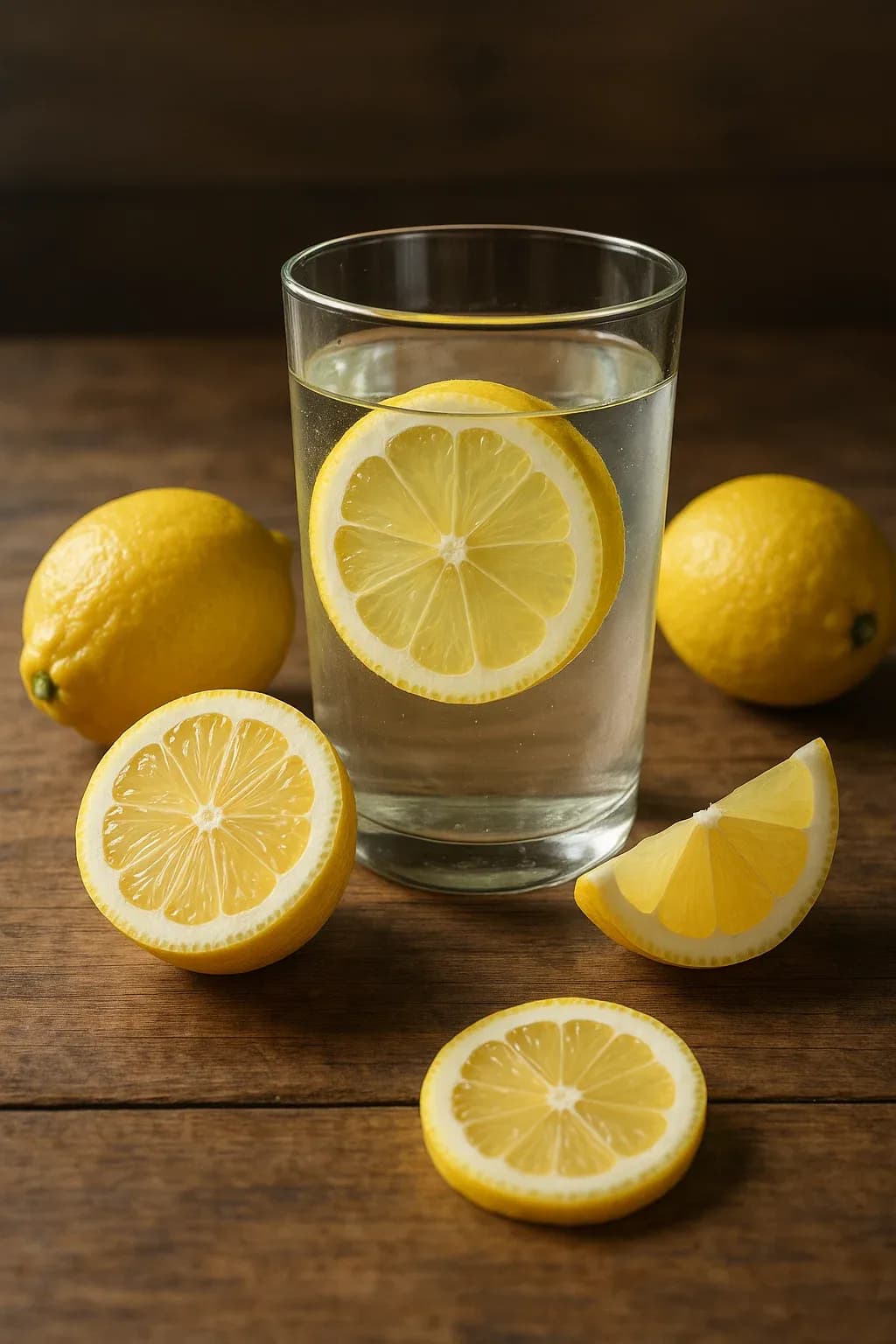
Enhances Skin Health and Promotes Weight Loss
In addition to boosting the immune system and aiding digestion, lemon water is also a fantastic beverage for enhancing skin health. The antioxidants in lemons help to combat free radicals, which can cause cellular damage and contribute to signs of aging. Regular consumption of lemon water can lead to clearer, more radiant skin by reducing wrinkles and improving the overall texture of the skin. Moreover, the vitamin C in lemon water supports collagen production, which is essential for maintaining skin elasticity and firmness. Beyond skin health, lemon water is known for its ability to promote weight loss. The pectin fiber in lemons helps to curb hunger cravings, potentially reducing overall calorie intake throughout the day. Furthermore, lemon water can boost metabolism, aiding in the burning of fat and assisting with weight management goals. Its hydrating properties also help to maintain energy levels, making it an excellent choice for those looking to enhance their workout performance and overall physical endurance.


Jennifer Trimbee

Aug 19, 2025

0 reading now
What Causes Cysts and When to Worry
Cysts are fluid-filled sacs that can develop in various parts of the body, including the skin, ovaries, and internal organs. They are usually benign, meaning they are not cancerous, and are often caused by blockages in ducts, cell proliferation, or infections. Hormonal changes, genetic factors, and chronic inflammatory conditions can also contribute to cyst formation. While most cysts are harmless and may resolve on their own, some can become problematic if they grow large, cause pain, or become infected. It's important to monitor cysts and seek medical advice if they change in size, color, or sensation, or if they occur in conjunction with other symptoms.
Read more
Jennifer Trimbee
Aug 19, 2025

Disclaimer
This site offers information designed for educational purposes only. You should not rely on any information on this site as a substitute for professional medical advice, diagnosis, treatment, or as a substitute for, professional counseling care, advice, diagnosis, or treatment. If you have any concerns or questions about your health, you should always consult with a physician or other healthcare professional.