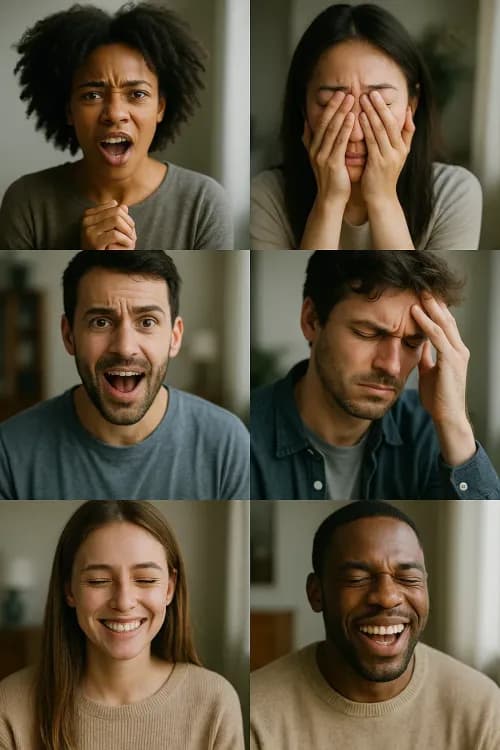
Threads of Time: When to Unravel, When to Reweave Traditions?
Family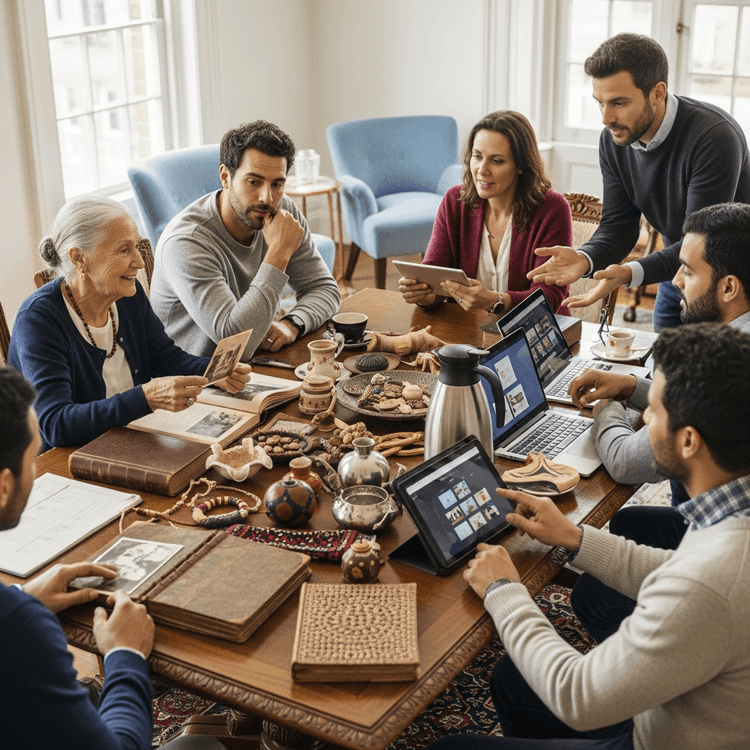
Traditions. They are the invisible threads that weave through the fabric of our lives, connecting us to generations past and shaping our present. From the comforting rituals of holiday celebrations to the profound customs that define cultural identity, traditions offer a sense of belonging, continuity, and shared history. They provide anchors in a rapidly changing world, transmitting wisdom, values, and a collective memory that can enrich individual and communal existence. But in an ever-evolving global landscape, we often find ourselves at a crossroads, compelled to question the very foundations of these time-honored practices. When does a cherished custom become an outdated relic? When does comfort morph into constraint or exclusivity? And how do we discern between the enduring wisdom of the past and the undeniable necessity of progress and adaptation? This compelling post delves deep into the fascinating, often contentious, debate surrounding traditions: their purpose, their power, and their place in modern society. We'll explore the myriad compelling reasons why societies and individuals continue to cling to established ways – for their emotional resonance, their ability to foster community and intergenerational bonds, and their critical role in preserving heritage, identity, and collective memory. Yet, we are equally compelled to examine the powerful, often urgent, arguments for change. Are some traditions inherently exclusionary, perpetuating biases or inequalities that no longer align with contemporary ethical standards and calls for inclusivity? Do others simply lose their original meaning over time, becoming hollow gestures devoid of their initial intent, or even posing practical barriers to innovation, personal freedom, and societal advancement? Join us as we navigate this complex, nuanced landscape, offering perspectives that encourage thoughtful evaluation rather than automatic adherence or outright rejection. We will consider the delicate balance between honouring our roots and forging new paths, discussing how individuals, families, and communities can thoughtfully adapt, reinterpret, or even create entirely new traditions that better reflect contemporary values, diverse demographics, and evolving circumstances. This isn't just an academic exercise; it's a deeply personal journey of self-reflection, inviting you to scrutinize the traditions in your own life and within your broader community. Discover how to critically assess which traditions truly deserve to be cherished and protected for their enduring value, which require thoughtful modification to become more relevant and inclusive, and which might be gracefully set aside to make way for a more equitable, vibrant, and forward-looking future. Empower yourself to engage consciously with tradition, bridging the gap between legacy and innovation to shape a more meaningful existence for all.
Traditions in Flux: Honoring Roots While Forging New Paths
Navigating the intricate landscape of tradition requires more than simple adherence or outright rejection; it demands a conscious and nuanced engagement with our collective past and evolving present. We stand at a pivotal moment, where the invisible threads of tradition, while offering profound comfort, continuity, and a vital link to generations preceding us, are simultaneously subject to intense scrutiny. Honoring our roots means appreciating the wisdom, shared history, and sense of belonging that time-honored practices imbue, recognizing their irreplaceable role in shaping identity and community cohesion. Yet, true reverence for the past does not necessitate blind conformity, especially when certain customs begin to fray, becoming exclusionary, losing their original meaning, or even hindering progress. Forging new paths, therefore, is not an act of disloyalty but one of thoughtful evolution – an imperative to critically assess which traditions truly serve contemporary values, promote inclusivity, and foster genuine connection in a diverse, rapidly changing world. This ongoing dialogue between legacy and innovation empowers individuals, families, and communities to courageously adapt, reinterpret, or even intentionally create new rituals that resonate with present-day realities, ensuring that our cherished practices remain vibrant, relevant, and meaningful, not as static relics, but as dynamic anchors that propel us forward into a more equitable and enriched future. It is within this delicate dance of preservation and transformation that we find the true power to shape a legacy that both respects its origins and boldly embraces tomorrow, bridging the gap between what was and what can be for generations yet to come.
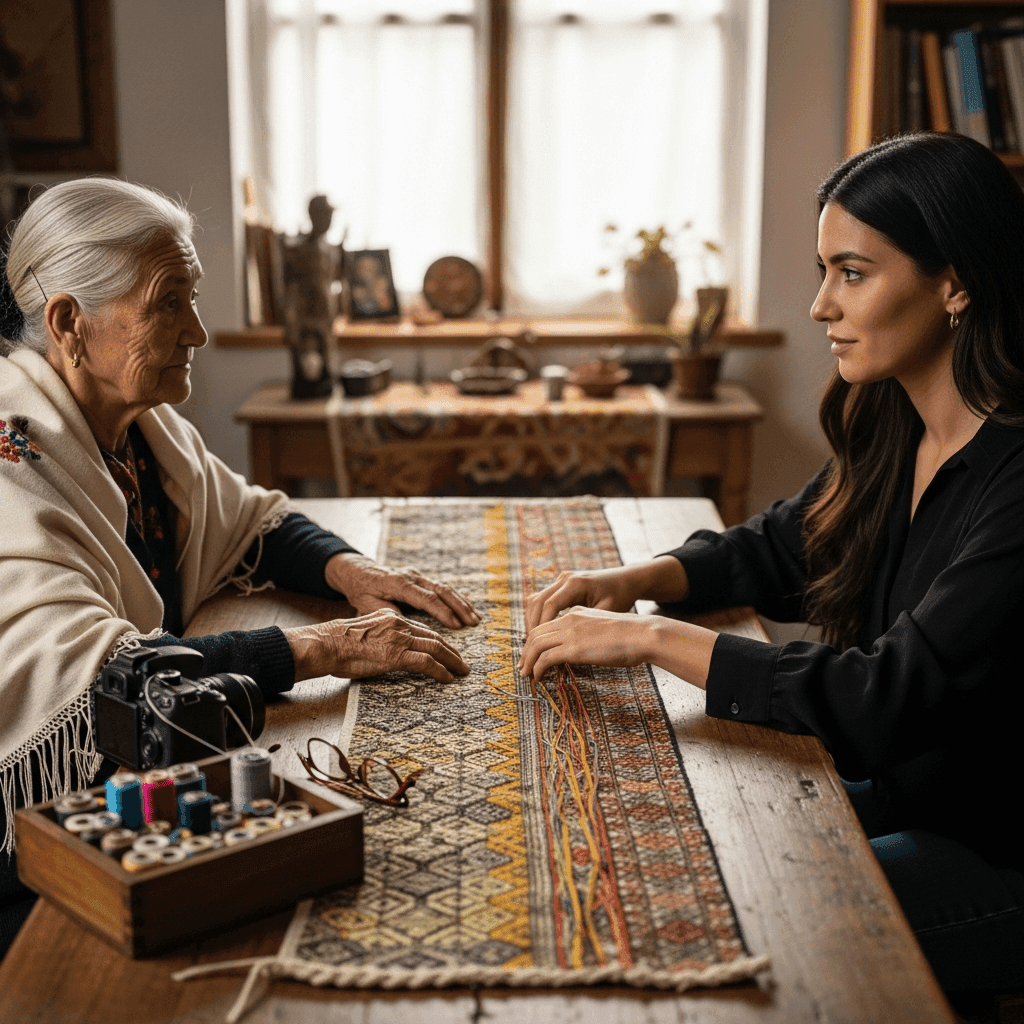
Navigating Tradition: Cherish, Challenge, or Change?
In this complex tapestry of human experience, traditions serve as both anchors and potential chains, prompting us to critically evaluate their continued relevance and impact. While many customs undeniably enrich our lives, fostering deep connections, preserving invaluable heritage, and imbuing existence with a comforting rhythm, an uncritical embrace can lead to stagnation, exclusion, or the perpetuation of outdated norms that no longer align with our evolving understanding of justice, equity, and human dignity. Therefore, navigating the landscape of tradition requires a deliberate and nuanced approach, moving beyond automatic adherence or outright rejection towards a mindful process of discernment. This journey of critical assessment invites us to confront each tradition with an essential set of questions: Does this practice truly embody enduring wisdom and foster genuine connection, warranting its careful preservation and celebration? Or does it, upon closer examination, manifest as an exclusionary relic, an unexamined bias, or a hollow gesture that has long since lost its original meaning, thereby demanding a courageous challenge to its very foundation? Perhaps, most frequently, we find ourselves at a crossroads where traditions possess inherent value but require thoughtful adaptation, reinterpretation, or conscious modification to reflect contemporary values, embrace diversity, and remain vibrant and inclusive for future generations. This deliberate engagement with our past is not an act of dismissal but one of responsible stewardship, empowering individuals and communities to bridge the gap between legacy and innovation, consciously shaping a future where cherished roots can coexist with dynamic growth, and where collective memory informs a more equitable and meaningful present for all involved. By actively choosing to cherish, courageously challenge, or thoughtfully change, we transcend passive inheritance, becoming architects of traditions that truly resonate with our deepest aspirations and reflect the inclusive societies we strive to build.
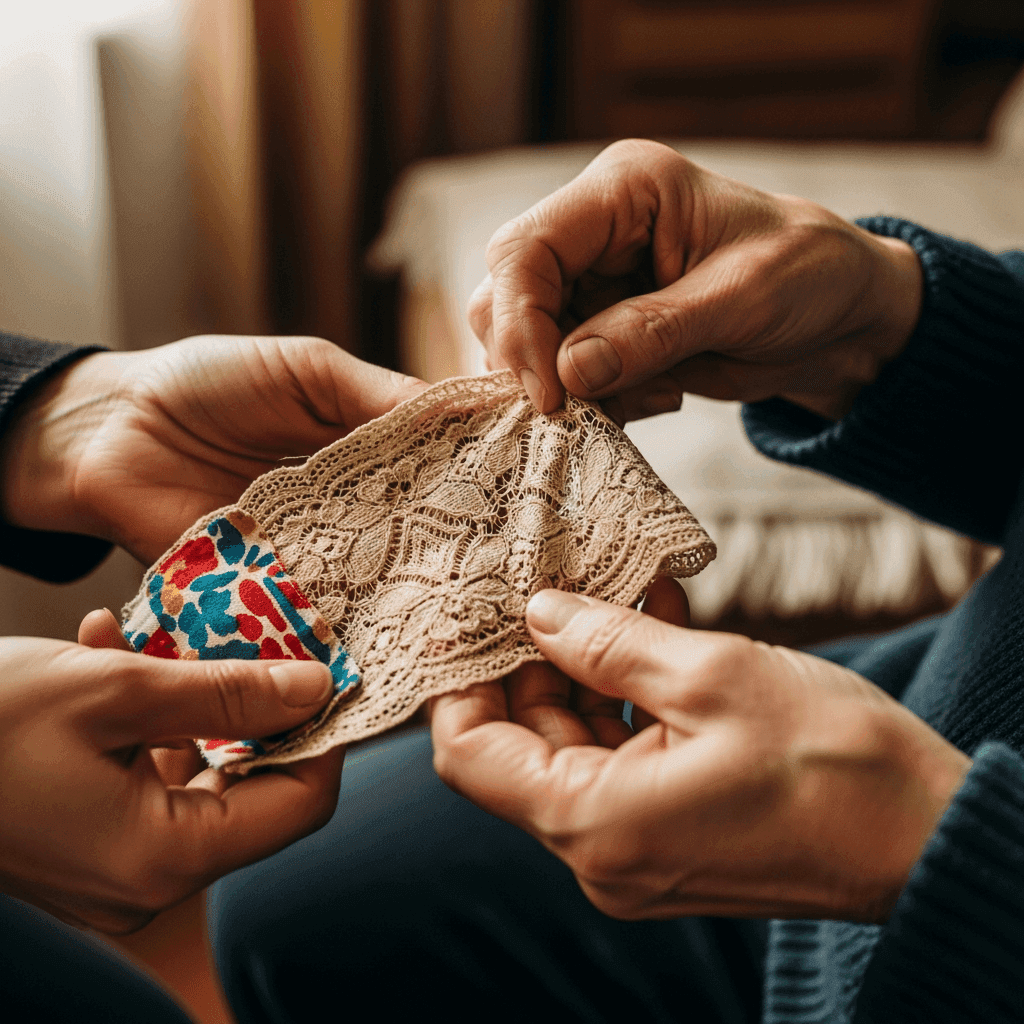

Jennifer Trimbee

Aug 19, 2025
0 reading now
What Causes Cysts and When to Worry
Cysts are fluid-filled sacs that can develop in various parts of the body, including the skin, ovaries, and internal organs. They are usually benign, meaning they are not cancerous, and are often caused by blockages in ducts, cell proliferation, or infections. Hormonal changes, genetic factors, and chronic inflammatory conditions can also contribute to cyst formation. While most cysts are harmless and may resolve on their own, some can become problematic if they grow large, cause pain, or become infected. It's important to monitor cysts and seek medical advice if they change in size, color, or sensation, or if they occur in conjunction with other symptoms.
Read more
Jennifer Trimbee
Aug 19, 2025

Disclaimer
This site offers information designed for educational purposes only. You should not rely on any information on this site as a substitute for professional medical advice, diagnosis, treatment, or as a substitute for, professional counseling care, advice, diagnosis, or treatment. If you have any concerns or questions about your health, you should always consult with a physician or other healthcare professional.