
Stone Man Syndrome: Life Inside a Gradually Hardening Shell
Diseases and Conditions
Delve into the profound complexities of Fibrodysplasia Ossificans Progressiva, widely known as Stone Man Syndrome, a devastatingly rare genetic disorder that transforms human soft tissues into rigid bone. This in-depth post illuminates the harrowing reality faced by individuals living with FOP, where muscles, tendons, and ligaments progressively ossify, creating an agonizing second skeleton that relentlessly restricts movement and eventually locks the body into an immovable state. We explore the insidious nature of this condition, often beginning in early childhood with unpredictable and painful flare-ups that accelerate bone formation. Understand the critical role of the ACVR1 gene mutation, the underlying genetic defect responsible for this relentless calcification, and the immense challenges in diagnosis, often mistaken for other musculoskeletal conditions. Our comprehensive overview extends to the current landscape of management strategies, highlighting the desperate need for therapies as there is presently no cure. Discover how medical professionals and researchers are tirelessly working to mitigate symptoms, manage chronic pain, and prevent the traumatic events that can trigger debilitating new bone growth. The impact of FOP extends far beyond the physical, touching every aspect of a patient's life, from mobility and independence to psychological well-being and social interaction. This article aims to raise crucial awareness about FOP, shedding light on the daily struggles, the scientific advancements, and the unwavering resilience of those affected. Join us as we uncover the scientific mysteries and human stories behind Stone Man Syndrome, advocating for greater understanding, support, and the urgent pursuit of effective treatments for this profoundly disabling condition that affects an estimated one in two million people worldwide.
The Agonizing Reality of Stone Man Syndrome: A Second Skeleton
Fibrodysplasia Ossificans Progressiva, universally recognized as Stone Man Syndrome, subjects individuals to an unimaginably agonizing reality, wherein the body's inherent flexibility is systematically stolen by an unrelenting, unforgiving second skeleton. This profoundly rare genetic disorder, fundamentally driven by a specific mutation within the ACVR1 gene, causes the body's crucial soft tissues—muscles, tendons, and ligaments—to progressively calcify and ossify, effectively transforming them into rigid, unyielding bone. The insidious progression typically begins in early childhood, manifesting through unpredictable and excruciating flare-ups that dramatically accelerate this heterotopic ossification, relentlessly locking joints and catastrophically restricting movement. Imagine the profound despair of witnessing your own body turn against itself, meticulously constructing an internal straitjacket that mercilessly claims independence, rendering once-simple actions into insurmountable daily challenges. This ceaseless calcification extends far beyond mere physical limitation; it inflicts chronic, debilitating pain, severely impacting psychological well-being, social interaction, and overall quality of life, underscoring the desperate, urgent need for effective therapies beyond current symptomatic management. The "second skeleton" is far more than a vivid metaphor; it represents a harrowing physical manifestation that progressively traps affected individuals in an immovable, rigid state, a stark testament to the brutal reality of FOP.

Fibrodysplasia Ossificans Progressiva: The Agonizing Second Skeleton
Fibrodysplasia Ossificans Progressiva, tragically known as Stone Man Syndrome, manifests as an excruciating and relentless genetic disorder where the body’s own healing mechanisms turn against it, creating what can only be described as an agonizing second skeleton. This profoundly rare condition, driven by a mutation in the ACVR1 gene, systematically transforms soft connective tissues—muscles, tendons, ligaments, and fascia—into solid, intractable bone. Imagine the inherent fluidity of human movement progressively replaced by rigid ossification, rendering joints immobile and limbs fixed in place, effectively encasing the individual within their own hardening body. From often inconspicuous beginnings in early childhood, individuals with FOP face unpredictable, agonizing flare-ups that accelerate this heterotopic ossification, each episode adding another layer to the restrictive bony armor. This process isn't merely discomfort; it's a profound, irreversible calcification that locks the body into increasingly constrained postures, leading to severe chronic pain, devastating immobility, and a profound loss of independence. The relentless march of new bone growth ensures that everyday actions, from breathing to eating, become monumental challenges, painting a stark picture of a life progressively ensnared by its own anatomical fate, where the very structure meant to provide support becomes the ultimate prison.


Jennifer Trimbee

Aug 19, 2025

0 reading now
What Causes Cysts and When to Worry
Cysts are fluid-filled sacs that can develop in various parts of the body, including the skin, ovaries, and internal organs. They are usually benign, meaning they are not cancerous, and are often caused by blockages in ducts, cell proliferation, or infections. Hormonal changes, genetic factors, and chronic inflammatory conditions can also contribute to cyst formation. While most cysts are harmless and may resolve on their own, some can become problematic if they grow large, cause pain, or become infected. It's important to monitor cysts and seek medical advice if they change in size, color, or sensation, or if they occur in conjunction with other symptoms.
Read more
Jennifer Trimbee
Aug 19, 2025
0 reading now
What is Galactosemia?
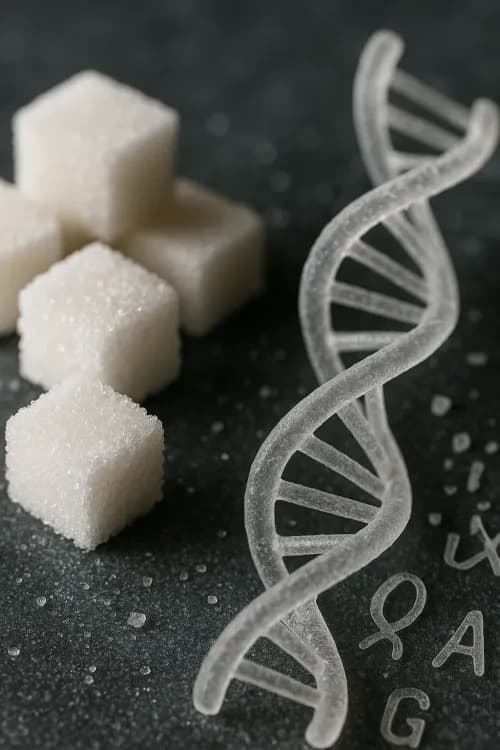
Galactosemia is a rare genetic metabolic disorder that affects an individual's ability to process the simple sugar galactose properly. Galactose is a component of lactose, the sugar found in milk and other dairy products. In individuals with galactosemia, the enzyme responsible for converting galactose into glucose is either deficient or absent altogether. This enzyme deficiency leads to the accumulation of galactose in the blood, which can be toxic and cause a range of serious health issues. Galactosemia is an inherited disorder, meaning it is passed down from parents to their children through genes. It is typically diagnosed shortly after birth through newborn screening tests. If left untreated, galactosemia can result in liver damage, intellectual disability, cataracts, and even death. Due to these risks, early diagnosis and dietary management are crucial in preventing the severe consequences associated with this condition. Treatment typically involves a strict galactose-free diet for life, which helps to avoid the complications associated with the accumulation of galactose in the body.
Read more
Jennifer Trimbee
Aug 19, 2025

0 reading now
10 General Symptoms of Personality Disorder
Personality disorders are complex mental health conditions that significantly impact how individuals perceive themselves and others, often leading to difficulties in daily functioning. These disorders typically manifest in adolescence or early adulthood and can persist for many years. Understanding the general symptoms can be crucial for seeking appropriate treatment and support. Symptoms of personality disorders often include an enduring pattern of inner experience and behavior that deviates markedly from the expectations of the individual's culture. This pattern is pervasive and inflexible, leading to distress or impairment in personal, social, and occupational situations. These symptoms are typically grouped into categories such as cognitive, emotional, interpersonal, and impulse control problems. It is important to remember that while these symptoms can guide towards a diagnosis, a qualified mental health professional should conduct a comprehensive assessment to determine the presence of a personality disorder.
Read more
Jennifer Trimbee
Aug 22, 2025
0 reading now
What Causes Stomach Cancer?
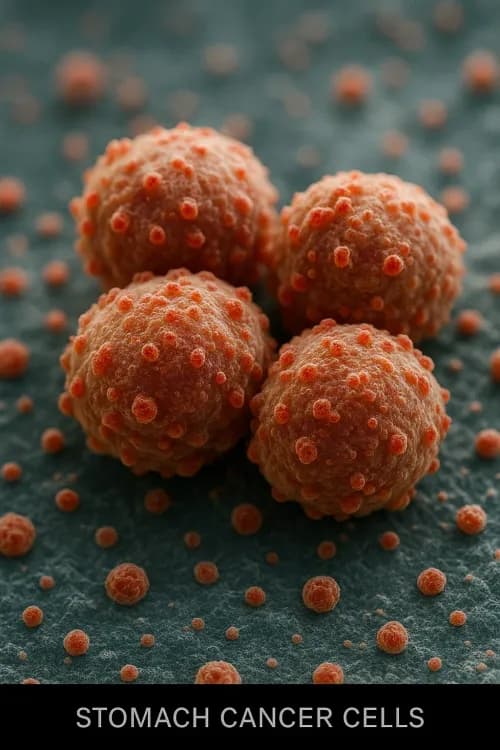
Stomach cancer, also known as gastric cancer, is a disease in which malignant cells form in the lining of the stomach. This can occur when there is a mutation in the cellular DNA, leading to uncontrolled cell growth. Various factors contribute to the risk of developing stomach cancer. These include infections, particularly with Helicobacter pylori, a type of bacteria that causes chronic inflammation and ulcers in the stomach lining. Additionally, lifestyle factors such as smoking, excessive alcohol consumption, and diets high in salted, smoked, or pickled foods can increase the risk. Genetic predispositions and family history also play a significant role, as certain gene mutations can be inherited, increasing susceptibility to the disease. Understanding these causes is crucial in developing preventative strategies and early detection methods to combat this serious illness.
Read more
Disclaimer
This site offers information designed for educational purposes only. You should not rely on any information on this site as a substitute for professional medical advice, diagnosis, treatment, or as a substitute for, professional counseling care, advice, diagnosis, or treatment. If you have any concerns or questions about your health, you should always consult with a physician or other healthcare professional.