Your Gut, Your Brain: The Hidden Connection to Mental Well-Being
Your Health
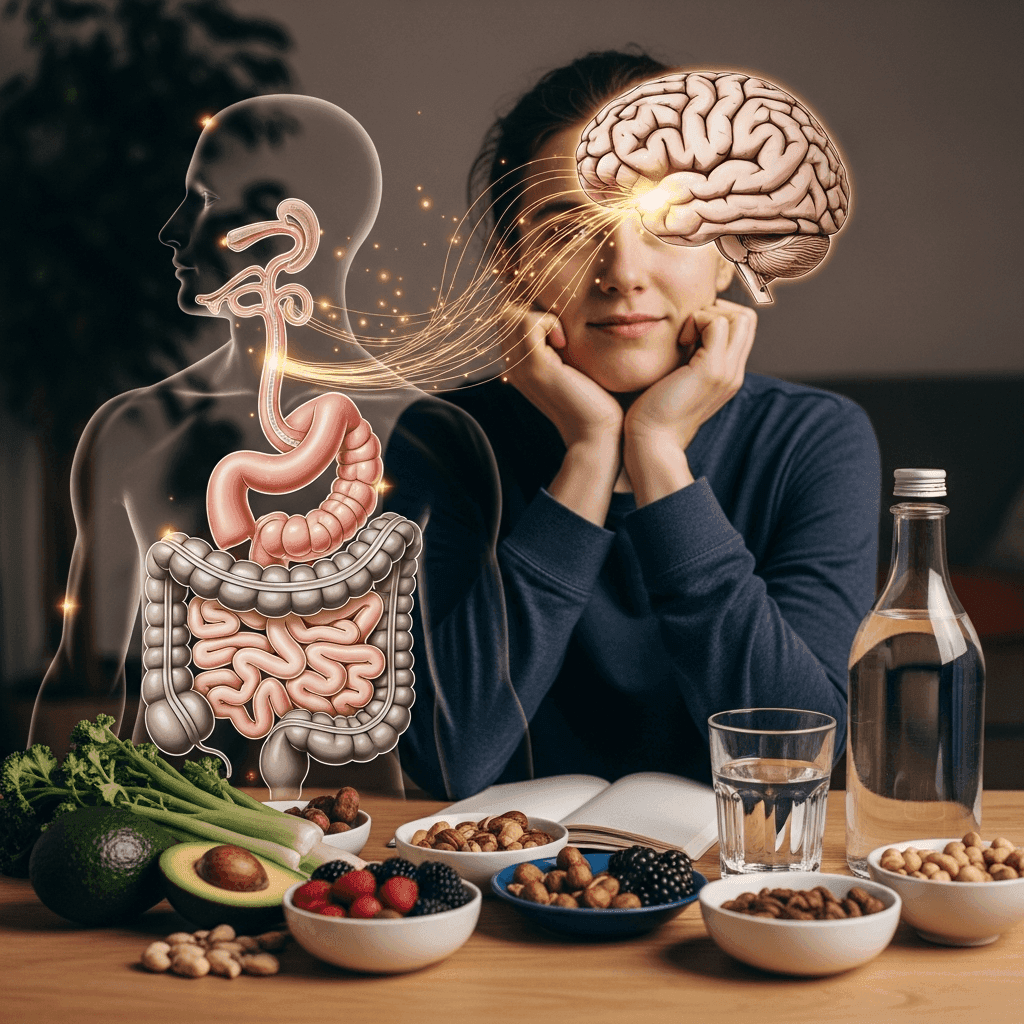
Dive deep into the fascinating and increasingly recognized intricate relationship between Your Gut and Your Brain in this comprehensive post. Far from being two separate entities operating in isolation, these vital organs are in constant, bidirectional communication, forming what scientists now refer to as the gut-brain axis. This powerful superhighway of information profoundly influences everything from your mood, cognitive function, and memory retention to your stress response and overall mental well-being. Prepare to discover the wonders of your enteric nervous system, often dubbed your 'second brain,' which intricately lines your digestive tract and possesses an astonishing level of autonomy, even producing many of the same essential neurotransmitters found in your cranial brain, including a vast majority of the body's serotonin. We'll explore the critical and often overlooked role of your gut microbiome – the trillions of bacteria, fungi, and other microbes residing within your intestines – and how their composition, diversity, and health directly impact neurological processes, neuroinflammation, and even contribute to personality traits and behavior. Learn how an imbalanced gut, often referred to as dysbiosis, can contribute to systemic inflammation, oxidative stress, and the impaired production of key neurochemicals, potentially exacerbating conditions like anxiety, chronic stress, depression, and even influencing the progression of neurodegenerative disorders. This post will unravel the cutting-edge science behind this profound connection, offering insights into how seemingly simple factors such as diet, stress management techniques, sleep patterns, and regular physical activity can either foster or disrupt this delicate, yet powerful, physiological equilibrium. Gain a deeper, actionable understanding of how nurturing your gut health can be a transformative step towards enhancing your mental clarity, improving emotional resilience, boosting your focus, and significantly contributing to your overall vitality. Equip yourself with the essential knowledge to make informed daily decisions that actively support optimal brain function by focusing on the often-overlooked powerhouse within your abdomen. Understanding this fundamental link between your gut and your brain is not merely an academic exercise; it's a crucial, empowering pathway to holistic health, sustained cognitive performance, and a profound improvement in your quality of life. Join us as we demystify the complex interplay and empower you to cultivate a healthier gut for a sharper, more resilient, and ultimately happier brain.
The Gut-Brain Connection: A Pathway to Holistic Mental Health
The intricate connection between your gut and your brain is far more profound than previously imagined, forming a vital, bidirectional communication superhighway known as the gut-brain axis. This isn't merely an academic concept; it's a fundamental physiological reality that profoundly influences every facet of your mental well-being, from mood regulation and cognitive function to memory retention and your body's stress response. Often dubbed your "second brain," the enteric nervous system (ENS), which intricately lines your digestive tract, operates with an astonishing level of autonomy and even produces a vast majority of the body's essential neurotransmitters, including serotonin, a key player in mood stability. Beyond the ENS, the trillions of microbes comprising your gut microbiome—a complex ecosystem of bacteria, fungi, and other microorganisms—exert an astonishingly direct impact on neurological processes, influencing neuroinflammation, and even subtly shaping personality traits and behavior. When this delicate microbial balance is disrupted, a state known as dysbiosis, it can trigger systemic inflammation, oxidative stress, and impair the crucial production of neurochemicals vital for mental health, potentially exacerbating conditions like anxiety, chronic stress, and depression, and even playing a role in the progression of neurodegenerative disorders. Understanding this profound interplay is not just about scientific curiosity; it's a critical, empowering pathway to cultivating holistic mental health. By actively nurturing your gut through informed dietary choices, effective stress management techniques, adequate sleep, and regular physical activity, you can significantly enhance your mental clarity, bolster emotional resilience, sharpen your focus, and ultimately pave the way for a sharper, more vibrant, and happier brain, transforming your overall quality of life.

The Gut-Brain Axis: Your Body's Mind-Body Superhighway
This remarkable connection, often dubbed the gut-brain axis, represents far more than a simple anatomical link; it's a dynamic, bidirectional communication superhighway intricately connecting your central nervous system with your enteric nervous system – your body's enigmatic 'second brain,' which independently governs your digestive tract. This sophisticated neural network, lining the entire gastrointestinal system, possesses an astonishing autonomy, mirroring the cranial brain by producing a vast array of essential neurotransmitters, including the majority of the body's serotonin, profoundly influencing mood and cognitive function. However, the axis's complexity extends even further into the microscopic realm, encompassing your gut microbiome – the trillions of bacteria, fungi, and other microorganisms that reside within your intestines. These unseen inhabitants are not passive passengers; their composition and health exert a powerful, direct influence on neurological processes, neuroinflammation, memory retention, stress response, and even contribute to personality traits and behavior. An imbalance within this delicate ecosystem, known as dysbiosis, can trigger systemic inflammation and oxidative stress, impairing the production of vital neurochemicals and potentially exacerbating a spectrum of mental health challenges, from anxiety and chronic stress to depression and, in some cases, influencing neurodegenerative disorders. Understanding and actively nurturing this profound physiological equilibrium through mindful diet, stress management, adequate sleep, and regular physical activity is therefore not merely about digestive comfort, but a transformative pathway to enhancing mental clarity, bolstering emotional resilience, improving focus, and significantly elevating your overall cognitive performance and quality of life. This intricate interplay underscores that optimal brain function is inextricably linked to a flourishing gut, making its care a cornerstone of holistic well-being.

Jennifer Trimbee

Aug 19, 2025

0 reading now
What Causes Cysts and When to Worry
Cysts are fluid-filled sacs that can develop in various parts of the body, including the skin, ovaries, and internal organs. They are usually benign, meaning they are not cancerous, and are often caused by blockages in ducts, cell proliferation, or infections. Hormonal changes, genetic factors, and chronic inflammatory conditions can also contribute to cyst formation. While most cysts are harmless and may resolve on their own, some can become problematic if they grow large, cause pain, or become infected. It's important to monitor cysts and seek medical advice if they change in size, color, or sensation, or if they occur in conjunction with other symptoms.
Read more
Jennifer Trimbee
Aug 19, 2025

Disclaimer
This site offers information designed for educational purposes only. You should not rely on any information on this site as a substitute for professional medical advice, diagnosis, treatment, or as a substitute for, professional counseling care, advice, diagnosis, or treatment. If you have any concerns or questions about your health, you should always consult with a physician or other healthcare professional.