Unlocking Your Inner Healer: The Astonishing Power of Placebo
Diseases and Conditions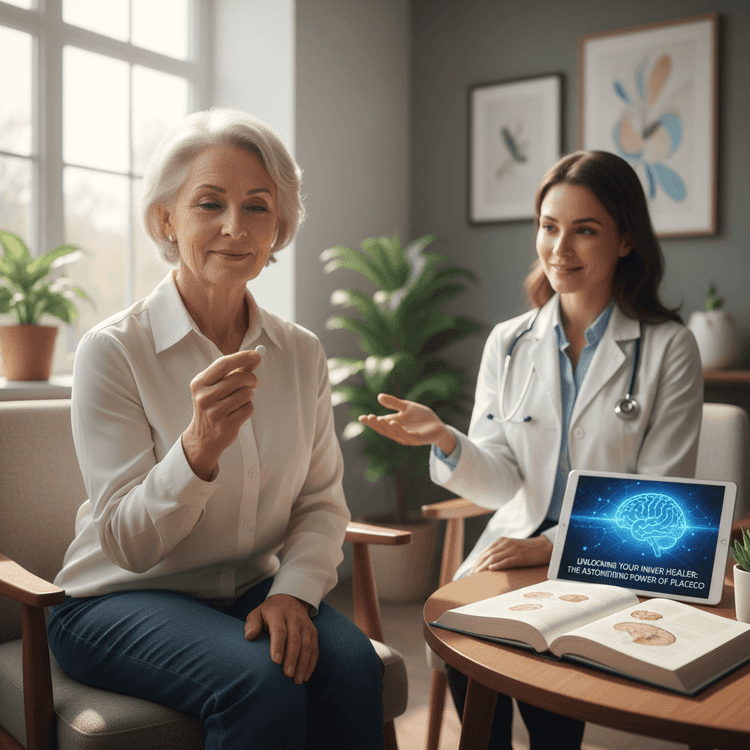
Uncover the profound and often underestimated capabilities of the human mind in our latest exploration, 'The Placebo Effect Power.' This insightful post delves beyond superficial definitions to reveal the astonishing strength and intricate mechanisms behind one of medicine's most intriguing phenomena. For too long, the placebo effect has been dismissed as mere imagination or a statistical anomaly, yet cutting-edge research consistently demonstrates its tangible, measurable impact on health and healing. We journey into the neurobiological pathways, psychological conditioning, and powerful role of expectation that collectively orchestrate genuine physiological changes in response to inert treatments. Prepare to challenge preconceived notions and gain a deeper appreciation for the mind's pivotal role in health and recovery. Discover how the power of belief, context, and conditioning can alleviate chronic pain, reduce symptoms of depression and anxiety, calm irritable bowel syndrome, and even influence motor symptoms in conditions like Parkinson's disease. This isn't about conjuring miracles from thin air; it's about tapping into the body's innate capacity for self-regulation and healing, profoundly influenced by our perceptions, hopes, and the very environment of care. We'll dissect the difference between simply 'thinking positively' and the complex interplay of mind and body that the placebo effect truly represents, illustrating how the brain releases its own potent pharmacy of neurotransmitters, endorphins, and cannabinoids in response to perceived treatment, all without active pharmaceutical ingredients. This discussion also thoughtfully examines the ethical considerations of integrating the placebo effect into clinical practice, the fascinating relationship it shares with its darker twin, the equally potent nocebo effect, and what its existence teaches us about the patient-physician relationship and the very nature of illness and wellness. By understanding the genuine neurobiological and psychological underpinnings, we can begin to harness this natural healing capacity more effectively. Whether you're a healthcare professional, a patient seeking empowerment, or simply curious about the frontiers of human potential and the mind-body connection, this comprehensive look at 'The Placebo Effect Power' promises to enlighten and inspire, reshaping your understanding of healing and the incredible resources we all possess within. Explore how embracing this power can unlock new avenues for well-being and a more holistic approach to health.
Unveiling Placebo's True Strength: Mind-Body Healing Mechanisms
Beyond the simplistic notion of 'it's all in your head,' the true strength of the placebo effect lies in its sophisticated activation of the body's intrinsic healing mechanisms, a profound interplay between mind and physiology that goes far beyond wishful thinking. Far from being a statistical anomaly or a product of mere imagination, cutting-edge research now rigorously demonstrates how psychological conditioning, powerful expectations, and the context of care converge to orchestrate measurable and genuine physiological changes within the human system. This remarkable phenomenon isn't about inert treatments magically curing ailments; rather, it’s about the brain, influenced by belief and anticipation, tapping into its own endogenous pharmacy. It prompts the release of potent neurochemicals such as endorphins, cannabinoids, and dopamine, which act as the body's natural painkillers, mood regulators, and restorative agents, directly influencing symptoms like chronic pain, anxiety, depression, and even motor function in neurological conditions. The mind, therefore, serves not as a passive observer but as an active participant, capable of modulating pain perception, immune responses, and nervous system activity, thereby fundamentally altering the trajectory of illness and promoting recovery through pathways that are increasingly being understood at a cellular and molecular level. This complex neurobiological dance showcases the undeniable power of our internal resources, proving that perception and belief can indeed trigger a cascade of authentic healing responses, making the placebo effect a testament to the mind's profound and tangible capacity to influence the body's well-being.
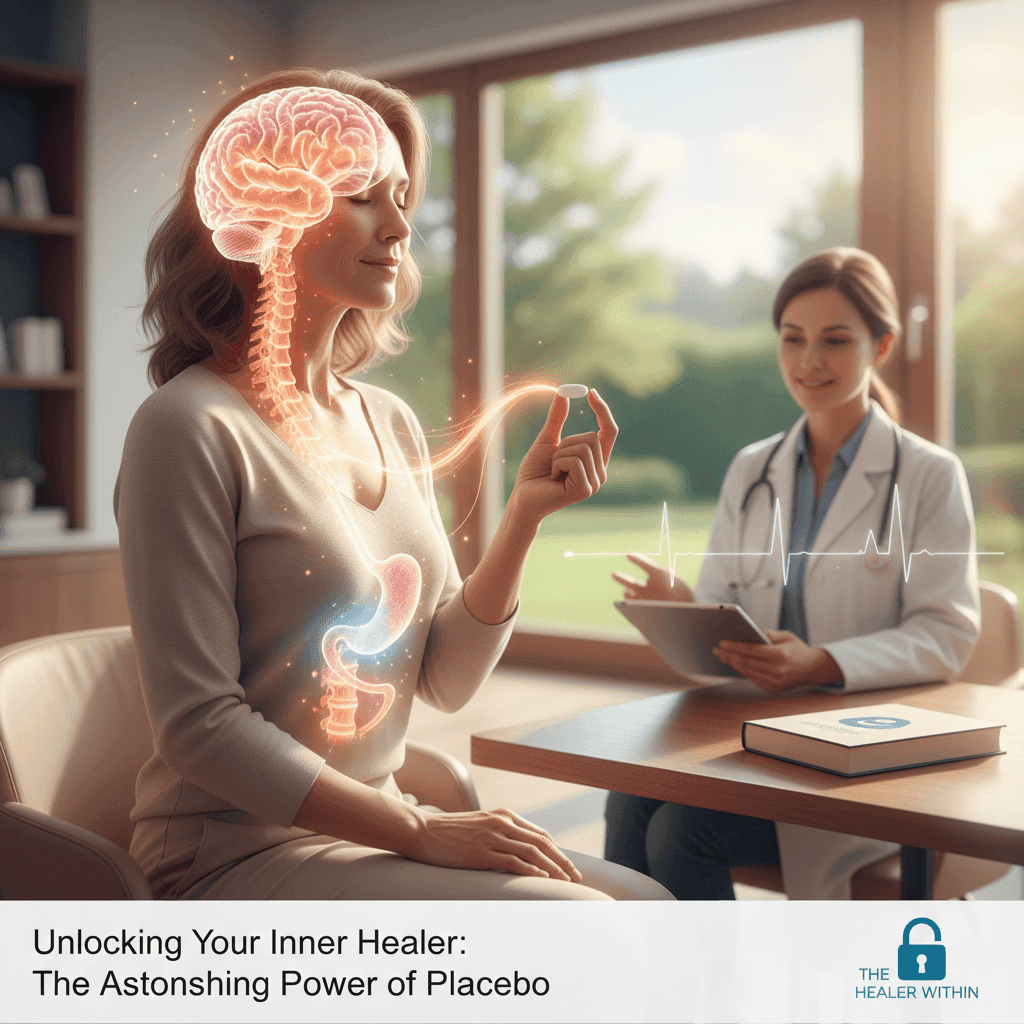
The Placebo Effect: Bridging Perception and Physiological Healing
The placebo effect, often misunderstood and relegated to the realm of mere psychological suggestion, represents a profound testament to the human mind's capacity to orchestrate tangible physiological change. Far from being a statistical anomaly or simply 'thinking positively,' this fascinating phenomenon intricately bridges our perceptions and expectations with the body's innate healing mechanisms, demonstrating a measurable impact on health and well-being. Cutting-edge neurobiological research increasingly reveals that when an individual believes they are receiving an active treatment, their brain responds by activating complex pathways, releasing a sophisticated internal pharmacy of neurotransmitters, endorphins, and cannabinoids. This cascade of endogenous chemicals can genuinely alleviate chronic pain, reduce symptoms of anxiety and depression, calm inflammatory responses, and even improve motor function in neurological conditions, all in response to an inert substance. The power lies not in the inert pill itself, but in the context of care, the therapeutic ritual, the patient’s belief in the treatment, and the hopeful anticipation of recovery – factors that collectively signal the body to engage its self-repair systems. This intricate interplay underscores how psychological conditioning and the potent force of expectation can directly influence bodily functions, transforming subjective belief into objective physiological reality and challenging conventional views on the boundaries of mind-body medicine. By deciphering these mechanisms, we gain a deeper appreciation for the mind's pivotal role in recovery and unlock new avenues for a more holistic, empowered approach to health, emphasizing the profound resources we inherently possess for healing.

Jennifer Trimbee

Aug 19, 2025

0 reading now
What Causes Cysts and When to Worry
Cysts are fluid-filled sacs that can develop in various parts of the body, including the skin, ovaries, and internal organs. They are usually benign, meaning they are not cancerous, and are often caused by blockages in ducts, cell proliferation, or infections. Hormonal changes, genetic factors, and chronic inflammatory conditions can also contribute to cyst formation. While most cysts are harmless and may resolve on their own, some can become problematic if they grow large, cause pain, or become infected. It's important to monitor cysts and seek medical advice if they change in size, color, or sensation, or if they occur in conjunction with other symptoms.
Read more
Jennifer Trimbee
Aug 19, 2025
Disclaimer
This site offers information designed for educational purposes only. You should not rely on any information on this site as a substitute for professional medical advice, diagnosis, treatment, or as a substitute for, professional counseling care, advice, diagnosis, or treatment. If you have any concerns or questions about your health, you should always consult with a physician or other healthcare professional.