Rest Up, Power Up: Your Path to Enhanced Productivity
Lifestyle and Welness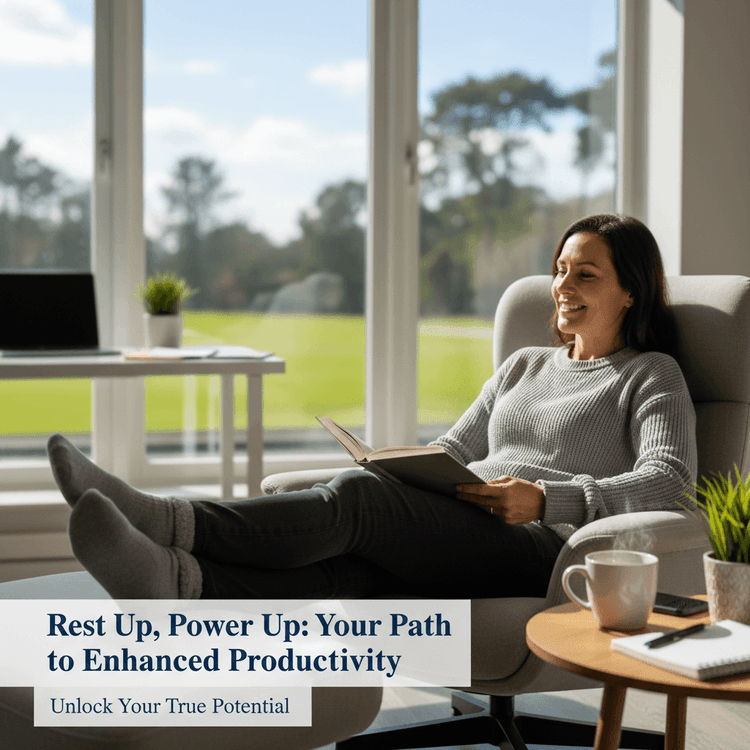
Are you caught in the relentless cycle of always doing more, believing that endless hours are the only path to success? This post challenges that deeply ingrained notion, presenting a paradigm-shifting perspective: the secret to achieving sustainable high performance isn't about pushing harder, but about strategically embracing rest. Dive deep into "Rest Your Way to Productivity" and discover how stepping back can actually propel you forward with greater vigor and clarity. We'll explore the compelling science that underpins the power of genuine downtime, from enhancing cognitive function and fostering creative breakthroughs to significantly reducing the risk of burnout. This isn't just about sleeping more; it's about integrating various forms of restorative practices into your daily life. Learn to distinguish between mere inactivity and truly effective rest, and understand how activities like intentional breaks, mindful moments, active recovery, and even deliberate periods of unplugging can recalibrate your brain and body. We'll provide actionable strategies for incorporating these vital elements into even the most packed schedules, helping you identify your personal energy cycles and optimize your routines for peak efficiency without succumbing to exhaustion. Imagine a life where you accomplish more with less stress, where your ideas flow freely, and your focus remains sharp throughout the day. This post will guide you through practical tips for creating a sleep routine that truly revitalizes you, implementing micro-breaks that refresh your concentration, and establishing boundaries that protect your precious restorative time. Stop glorifying busyness and start harnessing the profound power of rest to unlock your true potential, elevate your performance, and cultivate a more balanced, productive, and ultimately fulfilling existence. Transform your approach to work and life by understanding that genuine progress often begins when you allow yourself to pause.
Beyond Busyness: Harnessing Strategic Rest for Peak Performance
The relentless pursuit of productivity often traps us in a cycle of endless doing, a cultural narrative that equates busyness with success and views rest as a sign of weakness or, at best, an indulgence. However, a deeper understanding of human performance reveals a profound truth: true peak performance isn't sustained by constant exertion, but by strategically integrated periods of restoration. Moving "Beyond Busyness" means recognizing that our brains and bodies are not machines capable of infinite output without consequence. Instead, they operate optimally when given deliberate opportunities to recharge, process, and consolidate. This isn't merely about taking a break when exhaustion hits; it's about proactively weaving various forms of restorative practices into our daily and weekly rhythms. Scientific evidence overwhelmingly supports the notion that genuine downtime, whether through quality sleep, mindful moments, active recovery, or complete unplugging, directly enhances cognitive function, fosters creative breakthroughs, sharpens focus, and significantly mitigates the risk of burnout. By understanding and respecting our natural energy cycles, we can shift from a reactive, unsustainable grind to a proactive, highly effective mode of operation. Embracing strategic rest allows us to return to tasks with renewed vigor, clearer perspectives, and a greater capacity for complex problem-solving, ultimately leading to higher-quality work, more innovative solutions, and a far more balanced and fulfilling professional life. It's time to redefine productivity not by hours clocked, but by the sustainable impact generated through intelligent energy management.

Beyond Busyness: Unlocking Productivity Through Intentional Rest
In a world that constantly glorifies relentless activity, where the badge of honor often goes to those clocking the most hours, the very idea of "resting your way to productivity" can seem counterintuitive, even radical. Yet, this is precisely the paradigm shift we must embrace to escape the endless cycle of doing more and achieving less. True, sustainable high performance isn't forged in the fires of constant toil, but rather in the strategic, intentional integration of restorative practices. Moving beyond the outdated notion that busyness equates to effectiveness, we delve into the compelling science that unequivocally demonstrates how genuine downtime enhances cognitive function, sparks creative breakthroughs, and significantly fortifies our resilience against burnout. This isn't merely about advocating for more sleep, though quality sleep is undoubtedly foundational; it's about a holistic approach to rest that encompasses mindful moments, invigorating active recovery, deliberate periods of unplugging from digital demands, and the power of intentional micro-breaks woven into the fabric of our daily routines. By understanding and respecting our personal energy cycles, we can meticulously craft a lifestyle where pausing isn't a setback, but the precise catalyst for propelling us forward with greater clarity, sharper focus, and an unprecedented vigor that busy schedules often extinguish. Protecting this precious restorative time and implementing actionable strategies for effective rest are not luxuries, but essential investments in unlocking our true potential, elevating our sustained performance, and cultivating a truly balanced, productive, and profoundly fulfilling existence where progress authentically begins when we dare to step back.


Jennifer Trimbee

Aug 19, 2025

0 reading now
What Causes Cysts and When to Worry
Cysts are fluid-filled sacs that can develop in various parts of the body, including the skin, ovaries, and internal organs. They are usually benign, meaning they are not cancerous, and are often caused by blockages in ducts, cell proliferation, or infections. Hormonal changes, genetic factors, and chronic inflammatory conditions can also contribute to cyst formation. While most cysts are harmless and may resolve on their own, some can become problematic if they grow large, cause pain, or become infected. It's important to monitor cysts and seek medical advice if they change in size, color, or sensation, or if they occur in conjunction with other symptoms.
Read more
Jennifer Trimbee
Aug 19, 2025

Disclaimer
This site offers information designed for educational purposes only. You should not rely on any information on this site as a substitute for professional medical advice, diagnosis, treatment, or as a substitute for, professional counseling care, advice, diagnosis, or treatment. If you have any concerns or questions about your health, you should always consult with a physician or other healthcare professional.