From Belly to Brain: Understanding Your Gut-Mood Connection
Your Health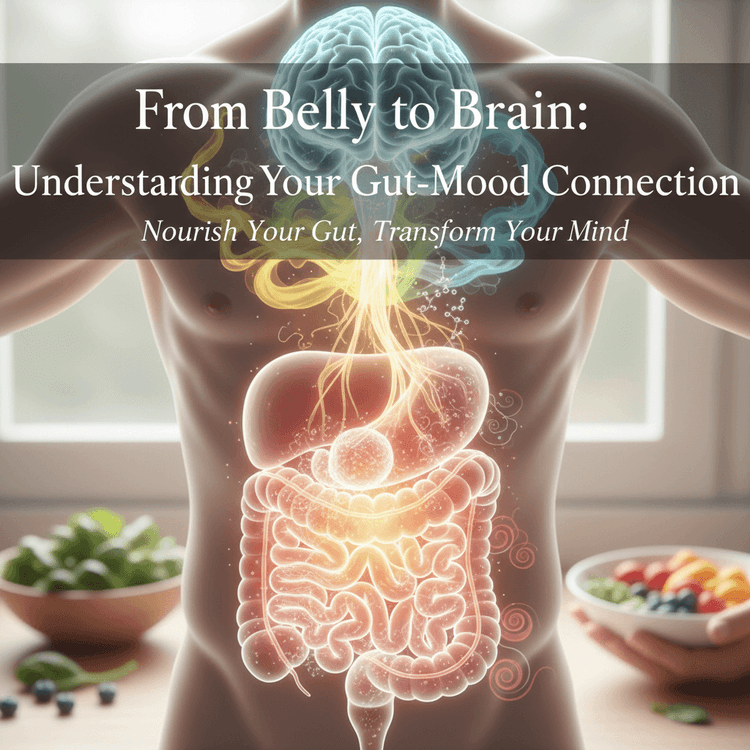
Ever felt a knot in your stomach when stressed, or experienced strong "gut feelings" about important decisions? These aren't merely figures of speech; they are direct indicators of the profound, intricate connection between your digestive system and your emotional well-being. This comprehensive post delves deep into the fascinating world of the Gut-Brain Axis, a complex, bidirectional communication network that constantly exchanges signals between your enteric nervous system – often dubbed the "second brain" nestled in your gut – and your central nervous system, which includes your brain. We'll explore how the trillions of microorganisms residing in your gut, collectively known as the microbiome, play an astonishingly crucial role in synthesizing vital neurotransmitters. For instance, a significant portion of serotonin, frequently referred to as the "happy hormone," is actually produced right there in your gut. Beyond neurotransmitter production, we'll uncover how the state of your gut health directly influences systemic inflammation, a key contributor to various mood disorders, and how an imbalanced gut environment can send distress signals to your brain, impacting everything from anxiety levels and stress responses to cognitive function and overall mental clarity. Understanding this powerful, often overlooked link is the foundational first step towards reclaiming control over your mood and fostering greater emotional resilience. This detailed guide will illuminate the cutting-edge science behind this undeniable connection, offering actionable insights and practical strategies you can implement in your daily life starting today. You'll learn about the immense power of prebiotics and probiotics, the critical importance of cultivating a diverse, nutrient-rich diet, and simple yet effective lifestyle adjustments that can foster a thriving gut environment. Discover how nourishing your gut strategically can be a powerful, transformative pathway to enhancing your mental clarity, fortifying your emotional resilience, and significantly improving your overall sense of well-being. Stop viewing your gut merely as a digestive organ and begin recognizing it as a pivotal, indispensable player in your daily mood regulation and long-term mental health trajectory. Prepare to fundamentally transform your understanding of self-care as we reveal precisely how a happy, balanced gut can truly lead to a happier, more balanced mind. This exploration isn't just about avoiding digestive discomfort; it's about harnessing the incredible, inherent power within you to cultivate lasting emotional balance, greater joy, and a profound sense of inner harmony.
Beyond Digestion: The Profound Link Between Gut Health and Mood
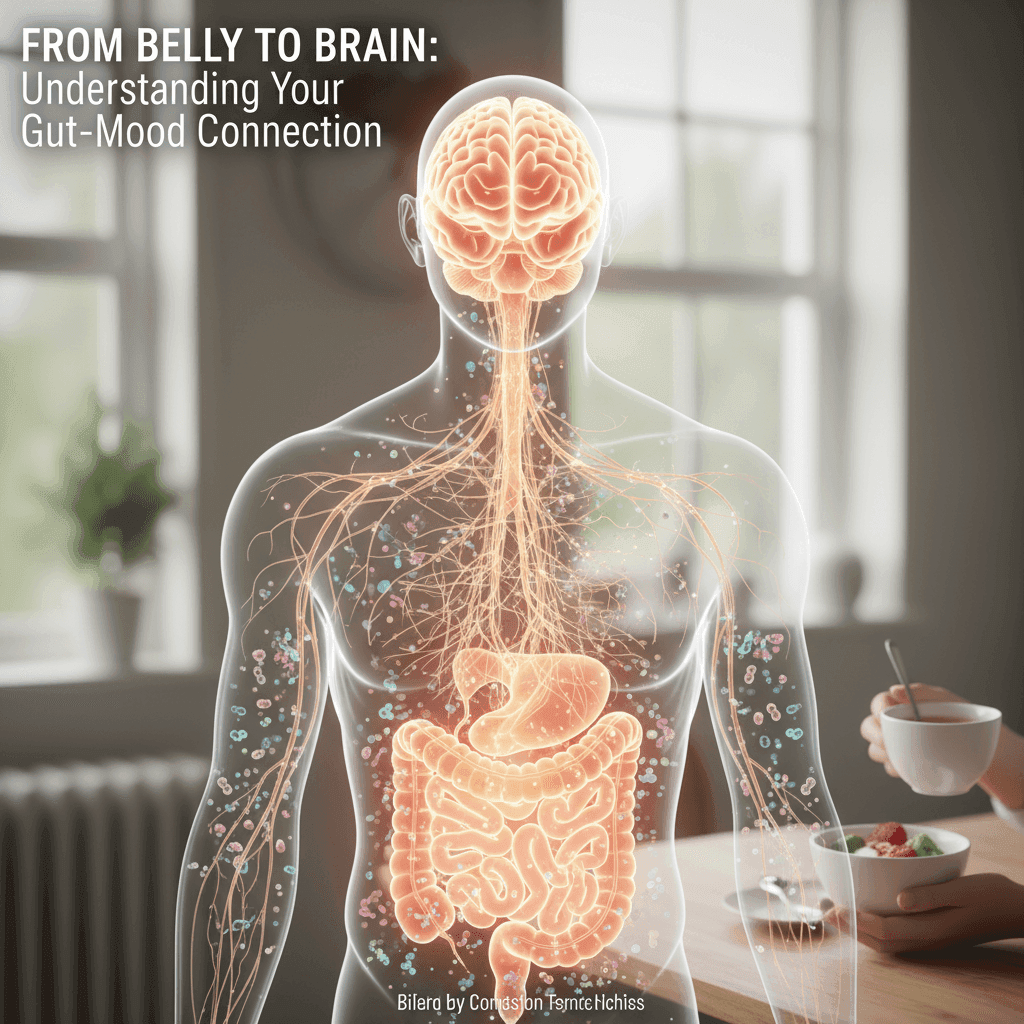
You might think of your gut primarily as a processing plant for food, but its influence extends far beyond mere digestion. In fact, the sensations of "gut feelings" or a "knot in your stomach" during stress are not just metaphors; they are tangible manifestations of a sophisticated, bidirectional communication highway known as the Gut-Brain Axis. This intricate network constantly exchanges vital signals between your enteric nervous system, often aptly termed your "second brain" nestled within your abdominal cavity, and your central nervous system, which governs your thoughts, emotions, and decisions. At the heart of this connection lies your gut microbiome – a bustling community of trillions of microorganisms whose collective impact on your emotional landscape is astonishing. These microscopic inhabitants are not just passive residents; they are active architects of your mood, playing an astonishingly crucial role in synthesizing essential neurotransmitters. For instance, a significant, often surprising, portion of serotonin, frequently heralded as the "happy hormone," is actually produced and regulated right there in your gut. Beyond this direct chemical influence, the delicate balance of your gut health profoundly impacts systemic inflammation. An imbalanced gut environment can ignite inflammatory responses that send persistent distress signals to your brain, acting as a silent, yet powerful, contributor to various mood disorders. This cascade can affect everything from your baseline anxiety levels and stress responses to your cognitive function, memory recall, and overall mental clarity, demonstrating how an unhealthy gut can quite literally cloud your mind. Understanding this powerful, often overlooked link between your internal ecosystem and your emotional world is not just an academic exercise; it is the foundational first step towards reclaiming profound control over your mood and fostering greater emotional resilience. It transforms our understanding of self-care, urging us to view our gut not merely as a digestive organ, but as a pivotal, indispensable player in daily mood regulation and the long-term trajectory of our mental health. By nourishing your gut strategically, you unlock a transformative pathway to enhancing mental clarity, fortifying emotional stability, and cultivating a deeper, more enduring sense of well-being, proving that a happy, balanced gut truly is the cornerstone of a happier, more balanced mind.
Cultivating a Happy Gut for a Happier Mind: The Gut-Brain Link
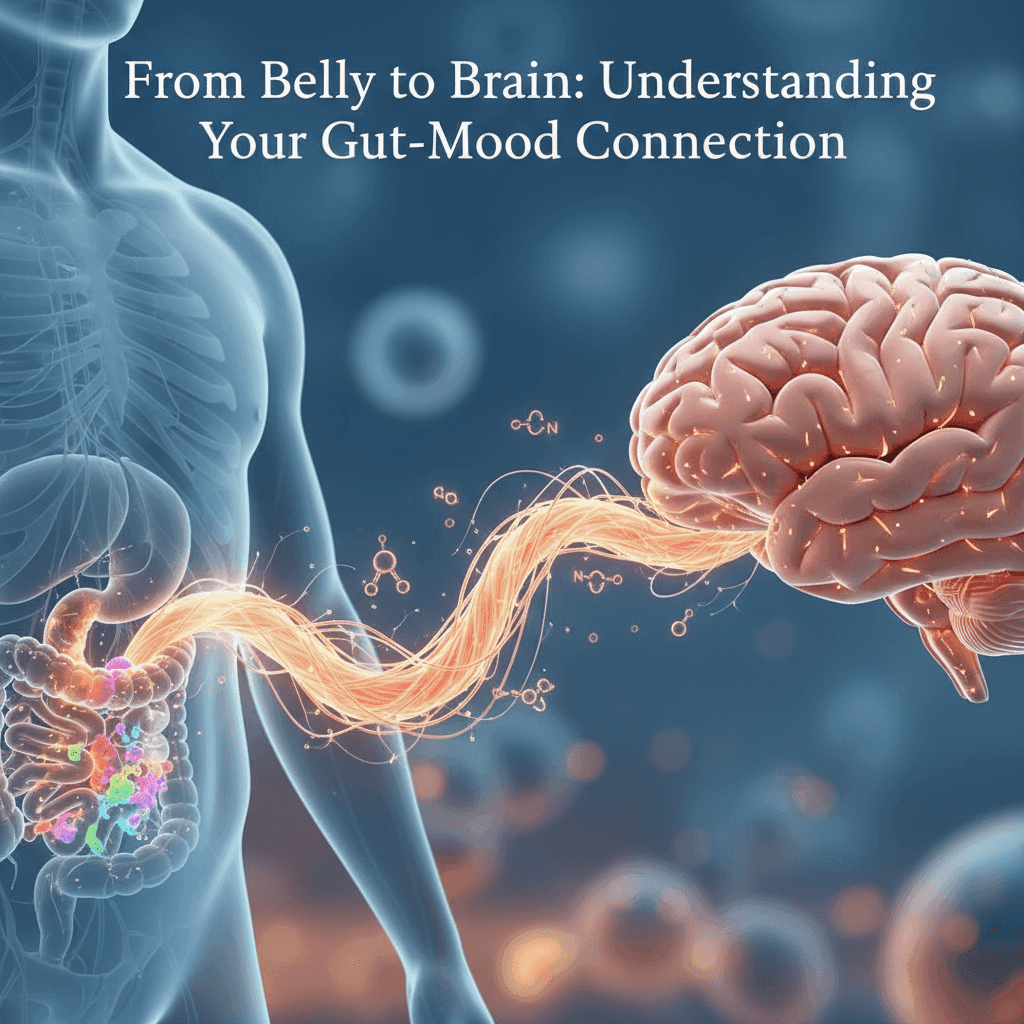
It's more than just a coincidence that we speak of "gut feelings" or feel a "knot in our stomach" during stressful times; these common expressions are linguistic echoes of a profound biological reality: the undeniable, intricate connection between your digestive system and your emotional well-being, often referred to as the Gut-Brain Axis. This sophisticated, bidirectional communication highway constantly exchanges vital signals between your central nervous system, which includes your brain, and your enteric nervous system – a complex web of neurons nestled within your gut often rightly dubbed your "second brain." At the heart of this connection lies your gut microbiome, a bustling metropolis of trillions of microorganisms that don't just aid digestion, but are astonishingly instrumental in synthesizing crucial neurotransmitters, including a significant portion of serotonin, the very hormone often linked to feelings of happiness and well-being, right there in your digestive tract. Beyond this chemical symphony, the health of your gut directly influences systemic inflammation, a recognized contributor to numerous mood disorders, and can send critical distress signals to your brain, impacting everything from your daily anxiety levels and stress responses to cognitive function and overall mental clarity. Understanding and actively nurturing this powerful, often-overlooked link is the fundamental first step towards taking control of your mood and fostering enduring emotional resilience. By embracing practical strategies such as incorporating diverse prebiotics and probiotics, cultivating a nutrient-rich, varied diet, and implementing simple yet impactful lifestyle adjustments, you can foster a thriving gut environment. This strategic nourishment of your gut paves a transformative pathway to enhancing mental clarity, fortifying emotional resilience, and significantly uplifting your overall sense of well-being, allowing you to move beyond merely avoiding digestive discomfort and truly harness the incredible, inherent power within you to cultivate lasting emotional balance and inner harmony.

Jennifer Trimbee

Aug 19, 2025

0 reading now
What Causes Cysts and When to Worry
Cysts are fluid-filled sacs that can develop in various parts of the body, including the skin, ovaries, and internal organs. They are usually benign, meaning they are not cancerous, and are often caused by blockages in ducts, cell proliferation, or infections. Hormonal changes, genetic factors, and chronic inflammatory conditions can also contribute to cyst formation. While most cysts are harmless and may resolve on their own, some can become problematic if they grow large, cause pain, or become infected. It's important to monitor cysts and seek medical advice if they change in size, color, or sensation, or if they occur in conjunction with other symptoms.
Read more
Jennifer Trimbee
Aug 19, 2025
Disclaimer
This site offers information designed for educational purposes only. You should not rely on any information on this site as a substitute for professional medical advice, diagnosis, treatment, or as a substitute for, professional counseling care, advice, diagnosis, or treatment. If you have any concerns or questions about your health, you should always consult with a physician or other healthcare professional.