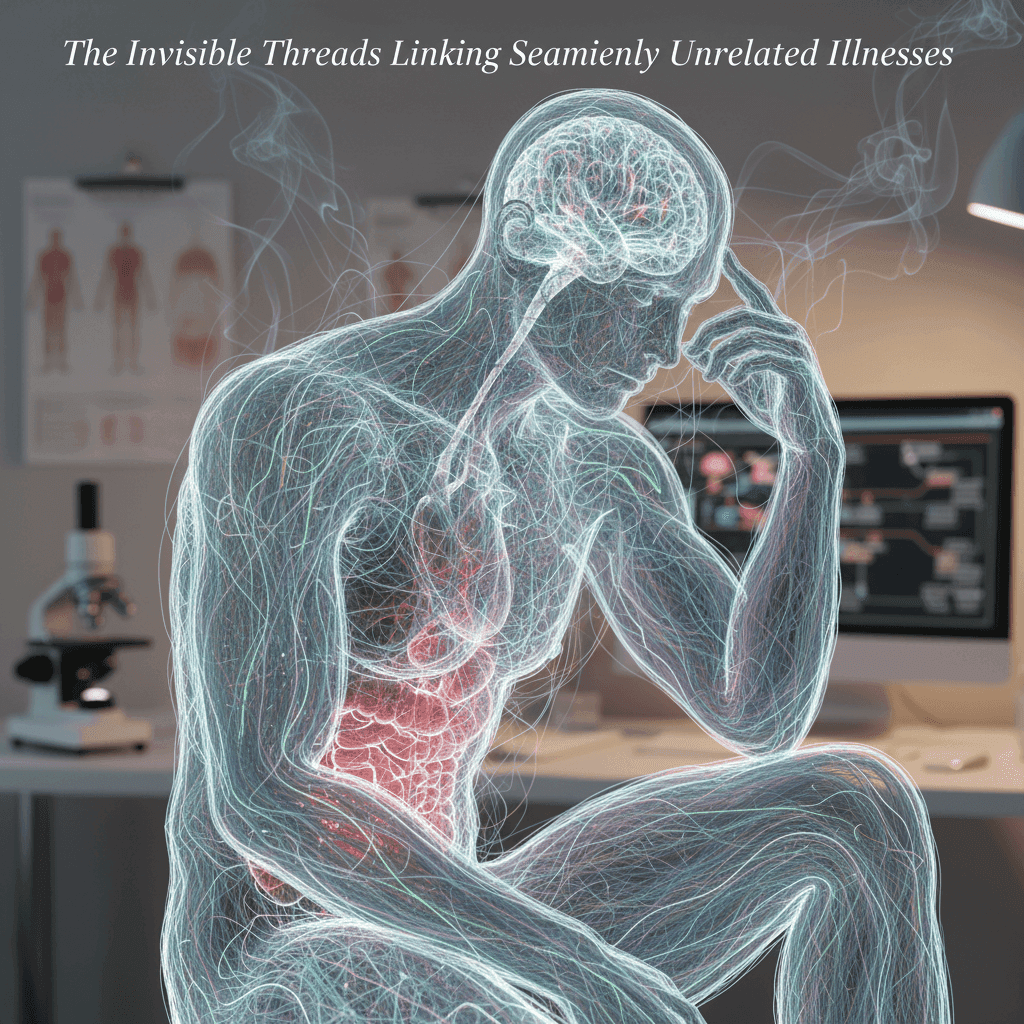
The Invisible Threads Linking Seemingly Unrelated Illnesses
Diseases and Conditions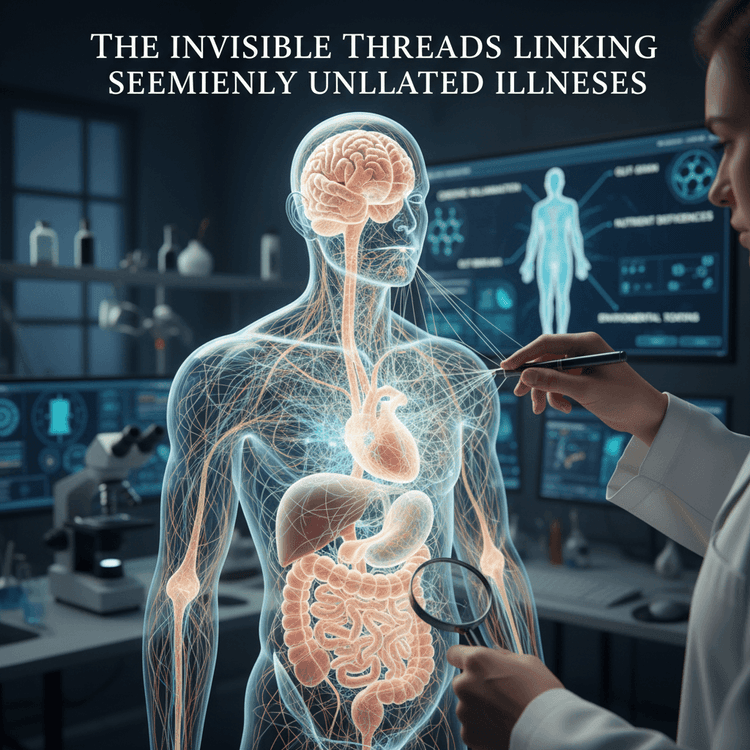
Have you ever experienced persistent symptoms that doctors struggled to explain, leading to frustration, multiple specialist visits, and a feeling that something fundamental was being missed? In an era of advanced medical science, it's increasingly common for individuals to grapple with chronic health issues that defy conventional diagnosis and treatment. This compelling post delves into the often-overlooked and critically important world of 'Hidden Illness Links' – the intricate, subtle, and sometimes surprising connections between seemingly disparate health conditions that underpin so much unexplained suffering. We explore how inflammation in one part of the body can trigger symptoms elsewhere, how gut dysbiosis can manifest as anxiety or skin problems, how nutrient deficiencies can masquerade as chronic fatigue, and how environmental toxins or chronic stress can silently orchestrate a cascade of systemic issues. Too often, modern medicine operates within a siloed framework, treating individual symptoms in isolation rather than investigating the deeper, interwoven web of causes. This approach inadvertently obscures the crucial links that, once identified, can unlock profound healing. Our discussion illuminates why these connections remain hidden – from subtle genetic predispositions and lifestyle factors to the insidious nature of chronic inflammation and the complex interplay of our immune and nervous systems. We reveal how seemingly unrelated conditions, from autoimmune disorders and hormonal imbalances to persistent pain syndromes and mood disorders, frequently share common root causes. Understanding these hidden links is not merely an academic exercise; it's a vital pathway to empowerment for patients and practitioners alike. By recognizing these underlying connections, we can move beyond symptomatic management to truly address the fundamental drivers of illness, paving the way for more accurate diagnoses, personalized treatment plans, and ultimately, a dramatically improved quality of life. This post is an essential read for anyone navigating a puzzling health journey, seeking answers beyond the surface, or simply curious about the profound interconnectedness of the human body and mind. Prepare to gain a new perspective on wellness and illness that could transform your approach to health.
Unraveling the Mystery: The Interconnected Web of Illness
For too long, both medical professionals and patients have often viewed the human body as a collection of independent systems, leading to a fragmented approach where specialists focus on their respective domains in isolation. This siloed perspective, while valuable for acute care and specific diagnoses, inadvertently creates blind spots when it comes to chronic, complex conditions. The true enigma lies not in a single malfunctioning organ or system, but in the intricate, often silent, communication pathways that link every part of our physiology. Imagine the body not as a series of separate rooms, but as a vast, interconnected ecosystem where a disturbance in one area – be it chronic inflammation stemming from dietary choices, an imbalanced gut microbiome, or persistent psychological stress – can send ripple effects throughout the entire landscape. These ripples often manifest as seemingly unrelated symptoms: a skin rash that coexists with digestive issues, inexplicable fatigue alongside joint pain, or anxiety that appears without a clear mental health trigger. The "mystery" of unexplained illness begins to unravel when we shift our perspective from isolated symptoms to an appreciation of this profound systemic interconnectedness. Understanding that the immune system, nervous system, endocrine system, and digestive system are in constant dialogue reveals how chronic conditions like autoimmune diseases, hormonal imbalances, and even mood disorders frequently share common underlying drivers, such as systemic inflammation, nutrient deficiencies, or chronic stress. This holistic viewpoint is not just an alternative; it is an an essential paradigm shift, offering a pathway to identify the root causes of suffering rather than merely managing the superficial manifestations, thereby unlocking more effective and sustainable healing strategies.
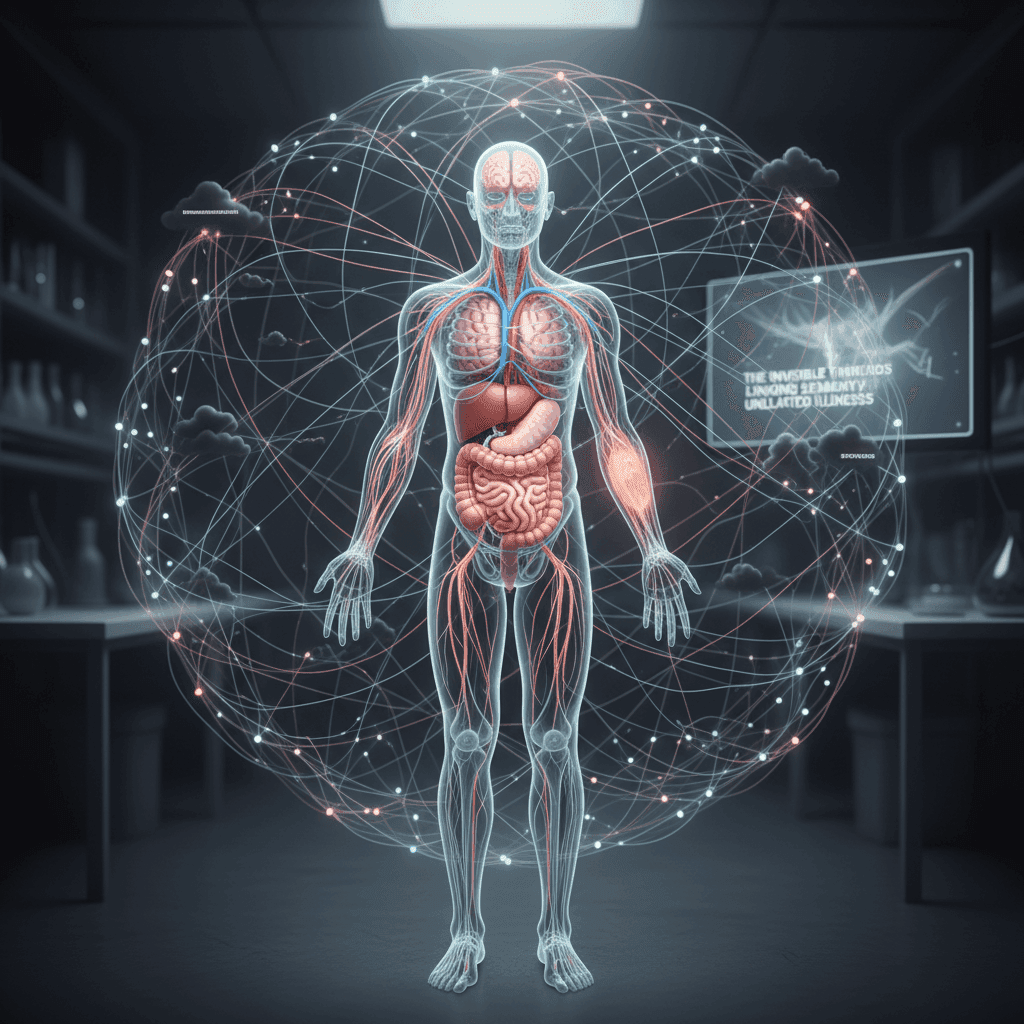
Decoding Unexplained Suffering: The Power of Hidden Illness Links
In an age boasting unprecedented medical advancements, it's profoundly unsettling for countless individuals to navigate a labyrinth of chronic, unexplained symptoms, often leaving them feeling unheard and without a clear path forward despite numerous specialist visits. Traditional medical frameworks, while excellent for acute care, frequently compartmentalize the body, inadvertently overlooking the intricate, often subtle interplay between systems. This siloed perspective obscures what we term 'Hidden Illness Links' – the profound, sometimes surprising connections that bind seemingly disparate health conditions, acting as the silent architects behind much unexplained suffering. Consider how systemic inflammation, originating in one area, can ripple across the body to manifest as joint pain, brain fog, or digestive issues; how gut dysbiosis can intricately weave itself into the fabric of anxiety or skin eruptions; or how chronic stress and environmental exposures can silently orchestrate a cascade of immune dysregulation and hormonal imbalances. Decoding these elusive connections is not merely an intellectual exercise but a vital pathway to empowerment, enabling both patients and practitioners to transcend superficial symptom management and delve into the fundamental root causes, ultimately unlocking more precise diagnoses, truly personalized treatment plans, and a dramatically improved quality of life, transforming the very approach to wellness.

Jennifer Trimbee

Aug 19, 2025

0 reading now
What Causes Cysts and When to Worry
Cysts are fluid-filled sacs that can develop in various parts of the body, including the skin, ovaries, and internal organs. They are usually benign, meaning they are not cancerous, and are often caused by blockages in ducts, cell proliferation, or infections. Hormonal changes, genetic factors, and chronic inflammatory conditions can also contribute to cyst formation. While most cysts are harmless and may resolve on their own, some can become problematic if they grow large, cause pain, or become infected. It's important to monitor cysts and seek medical advice if they change in size, color, or sensation, or if they occur in conjunction with other symptoms.
Read more
Jennifer Trimbee
Aug 19, 2025

Disclaimer
This site offers information designed for educational purposes only. You should not rely on any information on this site as a substitute for professional medical advice, diagnosis, treatment, or as a substitute for, professional counseling care, advice, diagnosis, or treatment. If you have any concerns or questions about your health, you should always consult with a physician or other healthcare professional.