The Ghost in the House: Unmasking Your Family's Silent Rules
Family
Dive deep into the fascinating, often frustrating, world of 'The Unspoken Family Rules.' Every family, regardless of how functional or dysfunctional it may appear on the surface, operates under a complex web of implicit understandings, hidden expectations, and long-standing traditions that are rarely articulated but powerfully enforced. These are the invisible guidelines that dictate everything from how emotions are expressed (or suppressed) at the dinner table, to who carries the burden of responsibility, to how conflicts are approached, or perhaps, meticulously avoided. We explore how these deeply ingrained patterns, passed down through generations, shape our individual identities, influence our relationships outside the family, and often unknowingly dictate our choices and behaviors in adulthood. Are you familiar with the rule that says "don't air dirty laundry," or "always put on a brave face," or perhaps the subtle message that certain topics are perpetually off-limits? This compelling post shines a much-needed light on these powerful, unseen forces, helping you identify the invisible scripts governing your own family dynamics. Understanding these unspoken rules is the first crucial step towards breaking free from cycles that no longer serve you, fostering healthier communication, and building more authentic connections within your family unit. Join us as we unpack the hidden curriculum of family life, offering profound insights into how to recognize, challenge, and ultimately redefine the silent agreements that have shaped your world from childhood into your present adult experiences.
Unveiling the Hidden Curriculum of Your Family Dynamics
Every family, irrespective of its perceived functionality, operates under a powerful, often invisible, "hidden curriculum" – a complex web of unwritten rules, unspoken expectations, and deeply ingrained traditions that are rarely discussed but consistently enforced. These implicit agreements dictate far more than we consciously realize, influencing everything from the acceptable display of emotions at the dinner table to the distribution of household responsibilities, and even the subtle ways conflicts are approached or, more often, meticulously avoided. Passed down through generations, these silent directives become the bedrock of our early understanding of the world, shaping our individual identities, influencing our relationships beyond the family unit, and often unconsciously dictating our choices and behaviors well into adulthood. Perhaps you recognize the subtle command to "always put on a brave face," or the inherent understanding that certain sensitive topics are perpetually off-limits, creating an atmosphere of cautious navigation. Unveiling this hidden curriculum is not merely an academic exercise; it is a crucial journey towards self-discovery, offering profound insights into the foundational scripts that have governed your life. Recognizing these unseen forces is the vital first step in challenging patterns that no longer serve your well-being, paving the way for more authentic communication, and fostering genuinely healthier connections within your family and beyond.
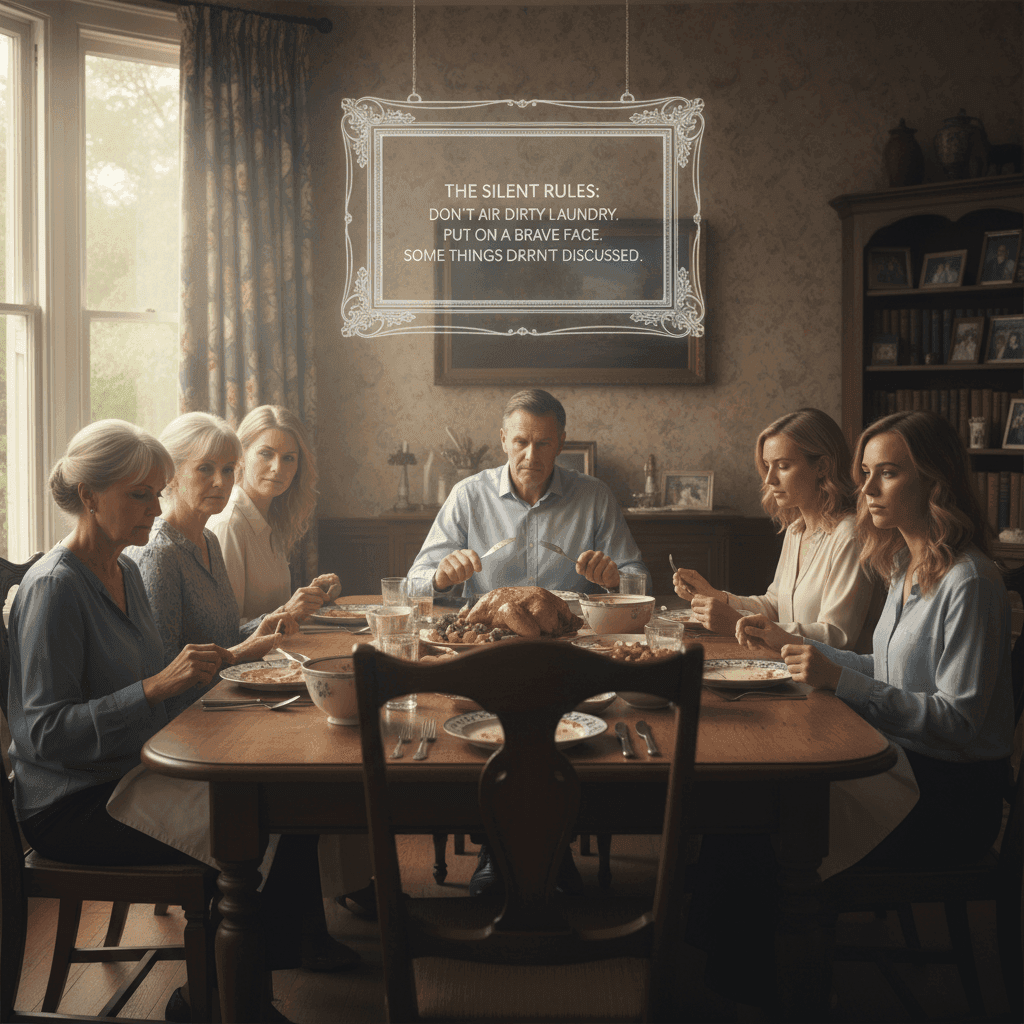
Unpacking the Hidden Curriculum of Family Life
Every family, beneath its surface interactions, operates according to a profound, often invisible "hidden curriculum"—a complex web of unspoken rules, implicit understandings, and deeply ingrained expectations that dictate much of our behavior and emotional landscape from childhood into adulthood. These aren't the house rules tacked to the fridge; rather, they are the powerful, silent agreements passed down through generations, shaping everything from how emotions are expressed (or more frequently, suppressed) at the dinner table, to the precise mechanisms for conflict resolution (or elaborate avoidance), and even who inherently bears the emotional burden within the family unit. Consider the subtle directive to 'always put on a brave face,' the unwavering decree to 'never air dirty laundry outside these walls,' or the persistent, almost palpable message that certain deeply uncomfortable topics are perpetually off-limits, creating an emotional minefield for those who dare to approach them. This pervasive, unseen force profoundly influences our individual identities, subtly dictating our choices and behaviors in our adult lives, and significantly impacting our relationships beyond the immediate family circle. Recognizing these ingrained patterns, these invisible scripts governing our most intimate dynamics, is not merely an academic exercise; it is the essential first step towards gaining agency over our past, fostering more authentic communication with loved ones, and ultimately empowering ourselves to challenge and redefine the silent agreements that have shaped our world since its earliest formation, paving the way for healthier, more fulfilling connections.


Jennifer Trimbee

Aug 19, 2025

0 reading now
What Causes Cysts and When to Worry
Cysts are fluid-filled sacs that can develop in various parts of the body, including the skin, ovaries, and internal organs. They are usually benign, meaning they are not cancerous, and are often caused by blockages in ducts, cell proliferation, or infections. Hormonal changes, genetic factors, and chronic inflammatory conditions can also contribute to cyst formation. While most cysts are harmless and may resolve on their own, some can become problematic if they grow large, cause pain, or become infected. It's important to monitor cysts and seek medical advice if they change in size, color, or sensation, or if they occur in conjunction with other symptoms.
Read more
Jennifer Trimbee
Aug 19, 2025

Disclaimer
This site offers information designed for educational purposes only. You should not rely on any information on this site as a substitute for professional medical advice, diagnosis, treatment, or as a substitute for, professional counseling care, advice, diagnosis, or treatment. If you have any concerns or questions about your health, you should always consult with a physician or other healthcare professional.