Unmasking Hidden Illnesses: Bringing Invisible Health Issues to Light
Diseases and Conditions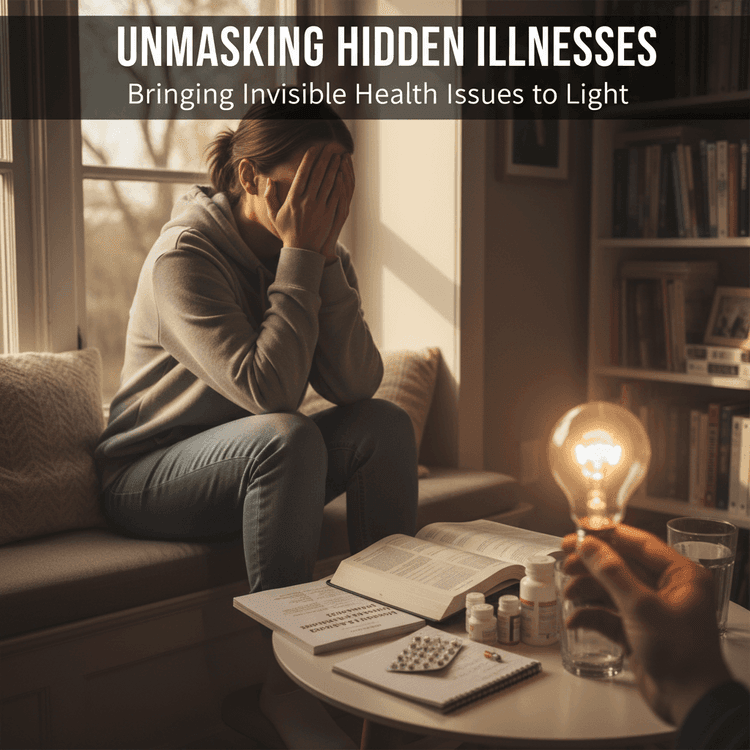
Delve into the often-invisible world of hidden illnesses, where chronic conditions lurk beneath the surface, defying easy diagnosis and understanding. This comprehensive post, "Unmasking Hidden Illnesses," shines a much-needed light on the profound challenges faced by millions living with health issues that aren't readily apparent. From autoimmune disorders like lupus and fibromyalgia to neurological conditions such as POTS or ME/CFS, we explore the intricate web of symptoms that can mimic other diseases, leading to years of frustrating misdiagnoses and a significant toll on patients' physical and mental well-being. We examine the diagnostic odyssey that many embark upon, a journey often fraught with skepticism from medical professionals and even loved ones, simply because "you don't look sick." The emotional burden of chronic pain, fatigue, and systemic dysfunction, coupled with the constant need to justify one's suffering, is immense. This piece aims to validate these experiences, offering a voice to those who feel unseen and unheard. We discuss the critical role of patient advocacy, the importance of detailed symptom tracking, and the power of finding supportive communities. Furthermore, we shed light on advancements in medical understanding and the growing push for greater awareness, ensuring that hidden illnesses receive the recognition and research funding they desperately need. This post is not just an exploration; it's a call to empathy, a guide for those seeking answers, and a beacon of hope for a future where no illness remains unmasked or misunderstood. Join us as we unravel the complexities and advocate for a world where every patient's story is believed and every hidden struggle is brought into the light.
When You Don't Look Sick: The Reality of Hidden Health Struggles
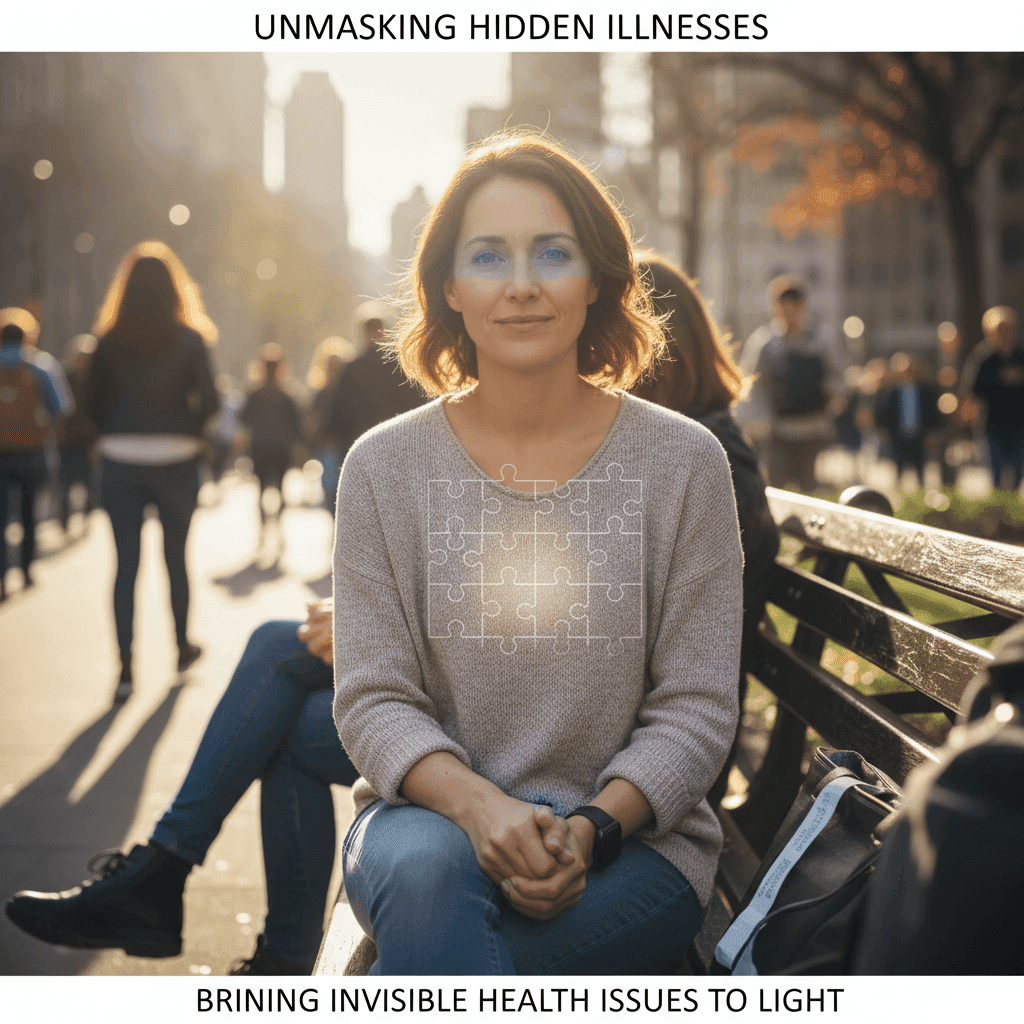
Perhaps one of the most insidious challenges faced by individuals navigating the treacherous terrain of hidden illnesses is the pervasive societal expectation that illness must manifest visibly. This profound disconnect between internal suffering and outward appearance gives rise to the dismissive yet devastating phrase, "But you don't look sick." For millions living with conditions such as debilitating autoimmune disorders like lupus and fibromyalgia, or complex neurological issues like Postural Orthostatic Tachycardia Syndrome (POTS) and Myalgic Encephalomyelitis/Chronic Fatigue Syndrome (ME/CFS), this statement encapsulates a daily battle for validation. Their invisible struggles, encompassing relentless chronic pain, crushing fatigue, brain fog, and a myriad of systemic dysfunctions, are routinely met with skepticism not only from friends and family but, alarmingly, from within the medical community itself. This "diagnostic odyssey" often stretches for years, riddled with frustrating misdiagnoses and a profound emotional burden, as patients are forced to continually justify the reality of their suffering, simply because their health crisis isn't readily apparent in a superficial glance. The mental anguish of being unseen, unheard, and perpetually doubted amplifies the physical toll, creating a relentless cycle where the lack of visible symptoms ironically becomes a barrier to receiving the crucial understanding, empathy, and effective treatment they desperately deserve, thereby exacerbating their already immense physical and mental health challenges.

Unmasking the Invisible: The Struggle for Diagnosis and Belief
The journey for those grappling with hidden illnesses often begins in a frustrating abyss of invisibility, where profound internal suffering clashes starkly with an outward appearance of health. This deceptive facade frequently initiates a grueling diagnostic odyssey, a relentless pursuit of answers that can span years, even decades, as patients find themselves shuttled between countless specialists, enduring a battery of tests that routinely return "normal" results, only deepening the mystery and often leading to disheartening misdiagnoses. Yet, perhaps the most insidious challenge isn't merely the elusive nature of the illness itself, but the pervasive skepticism encountered from medical professionals, friends, and family alike. The dismissive phrase, "but you don't look sick," becomes a cruel mantra, invalidating their very real pain, chronic fatigue, and debilitating systemic dysfunction. This constant need to justify one's suffering, to prove an invisible illness exists, exacts an immense psychological and emotional toll, fostering feelings of isolation, self-doubt, and profound frustration. The struggle for belief, more than just a search for a medical label, becomes a desperate plea for validation, for their experiences to be acknowledged as legitimate and deserving of urgent attention and compassionate care, fundamentally shaping their identity and relationship with the world around them.

Jennifer Trimbee

Aug 19, 2025

0 reading now
What Causes Cysts and When to Worry
Cysts are fluid-filled sacs that can develop in various parts of the body, including the skin, ovaries, and internal organs. They are usually benign, meaning they are not cancerous, and are often caused by blockages in ducts, cell proliferation, or infections. Hormonal changes, genetic factors, and chronic inflammatory conditions can also contribute to cyst formation. While most cysts are harmless and may resolve on their own, some can become problematic if they grow large, cause pain, or become infected. It's important to monitor cysts and seek medical advice if they change in size, color, or sensation, or if they occur in conjunction with other symptoms.
Read more
Jennifer Trimbee
Aug 19, 2025

Disclaimer
This site offers information designed for educational purposes only. You should not rely on any information on this site as a substitute for professional medical advice, diagnosis, treatment, or as a substitute for, professional counseling care, advice, diagnosis, or treatment. If you have any concerns or questions about your health, you should always consult with a physician or other healthcare professional.