Optimize Your Daily Energy Map: Boost Productivity & Well-being
Lifestyle and Welness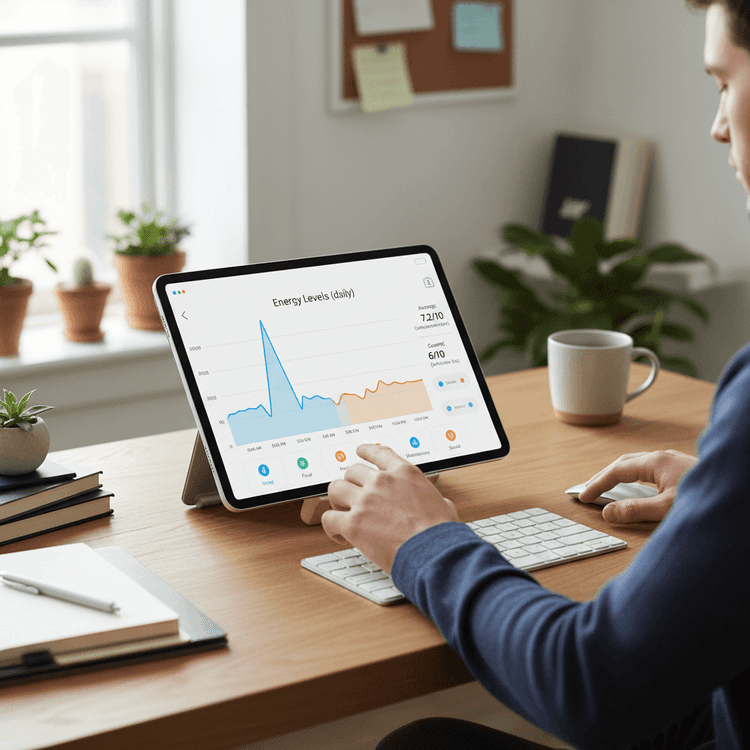
Unlock your peak productivity and well-being by understanding your unique daily energy map. Learn to track energy fluctuations and optimize your schedule for sustained performance and reduced fatigue. This comprehensive guide will help you decode your daily energy map, a crucial tool for enhancing personal productivity and overall well-being. Everyone possesses a unique circadian rhythm, dictating natural highs and lows in alertness and focus throughout the day. By identifying these patterns, you can strategically allocate tasks to periods when your cognitive function is at its peak, transforming how you approach your workday and personal commitments. Ignoring your body's innate energy signals often leads to burnout, reduced efficiency, and chronic fatigue. Understanding your daily energy map allows for proactive energy management, where you consciously align your activities with your natural rhythms rather than fighting against them. This involves more than just getting enough sleep; it encompasses mindful eating, strategic breaks, and knowing when to engage in demanding tasks versus when to step back for recovery. For instance, some individuals, often referred to as 'larks,' experience their highest peak performance in the morning, while 'owls' thrive later in the day. Recognizing your own chronotype is the first step in creating an energy map that truly works for you. This article will provide actionable insights and practical strategies to help you chart your energy landscape, identify your most productive hours, and cultivate habits that sustain your vitality throughout the week, leading to improved focus and a more balanced life. Embrace the power of your internal clock to unlock unparalleled efficiency and a profound sense of well-being.
Identifying Your Unique Daily Energy Patterns
Charting your daily energy map begins with a simple yet powerful exercise: observation and tracking. For at least one week, dedicate time to note down your energy levels at regular intervals – perhaps every two to three hours. Pay attention to not just physical fatigue but also your mental clarity, focus, and overall mood. Are you sharp and alert first thing in the morning, or do you hit your stride mid-afternoon? Do certain activities, like a big lunch or a stressful meeting, consistently trigger a slump? This self-assessment is key to understanding your individual chronotype and how it influences your cognitive function. Many people wonder, 'How do I find my most productive time of day?' The answer lies in this diligent tracking. You might discover, for example, that your analytical abilities peak between 9 AM and 11 AM, making this the ideal window for complex problem-solving or detailed reports. Conversely, creative tasks or less demanding administrative work might be better suited for a post-lunch dip. Integrating this awareness into your daily routine is a profound step towards achieving peak performance consistently. Consider using a journal, a simple spreadsheet, or a dedicated app to log your observations. Note down factors like sleep duration, meal times, exercise, and stress levels, as these external variables significantly impact your internal energy state. Over time, distinct patterns will emerge, revealing your body's natural ebb and flow. This data-driven approach moves beyond generic advice, providing a personalized blueprint for optimizing your schedule and reducing instances of burnout. It empowers you to work smarter, not just harder, by respecting your inherent biological rhythms.

Actionable Strategies for Mastering Your Energy Map
Once you've identified your unique daily energy patterns, the next crucial step is to implement actionable strategies to optimize your schedule and behaviors. This proactive approach to energy management involves more than just identifying your high-energy windows; it's about structuring your day to leverage those periods while also planning for effective recovery during low-energy phases. A common query is, 'What habits improve energy levels?' The answer is multi-faceted. Firstly, align your most demanding tasks with your identified peak performance times. If your analytical skills are sharpest in the morning, tackle critical reports or strategic planning then. Reserve less mentally intensive activities, like email management or routine meetings, for your natural dips. Secondly, prioritize sleep quality and consistency. Disrupted sleep cycles are a primary drain on daily vitality, impacting everything from focus to emotional regulation. Aim for 7-9 hours of restorative sleep, maintaining a regular bedtime and wake-up schedule, even on weekends. Thirdly, integrate strategic breaks throughout your day. Short, deliberate pauses – a 10-minute walk, a moment of meditation, or even just stepping away from your screen – can significantly enhance sustained focus and prevent mental fatigue. Hydration and nutrition also play pivotal roles; consuming balanced meals and staying well-hydrated fuels your body and brain consistently. Lastly, listen to your body's signals for recovery. Don't push through persistent fatigue; instead, build in time for rest and rejuvenation. This might mean scheduling a power nap, engaging in light physical activity, or simply unwinding with a hobby. By consciously applying these principles, you transform your daily routine into a powerful engine for sustained energy and heightened productivity, ensuring you not only meet your goals but also maintain your overall well-being.


Jennifer Trimbee

Aug 19, 2025

0 reading now
What Causes Cysts and When to Worry
Cysts are fluid-filled sacs that can develop in various parts of the body, including the skin, ovaries, and internal organs. They are usually benign, meaning they are not cancerous, and are often caused by blockages in ducts, cell proliferation, or infections. Hormonal changes, genetic factors, and chronic inflammatory conditions can also contribute to cyst formation. While most cysts are harmless and may resolve on their own, some can become problematic if they grow large, cause pain, or become infected. It's important to monitor cysts and seek medical advice if they change in size, color, or sensation, or if they occur in conjunction with other symptoms.
Read more
Jennifer Trimbee
Aug 19, 2025

Disclaimer
This site offers information designed for educational purposes only. You should not rely on any information on this site as a substitute for professional medical advice, diagnosis, treatment, or as a substitute for, professional counseling care, advice, diagnosis, or treatment. If you have any concerns or questions about your health, you should always consult with a physician or other healthcare professional.