When Your Own Body Turns Against You: Understanding Autoimmune Conditions
Diseases and Conditions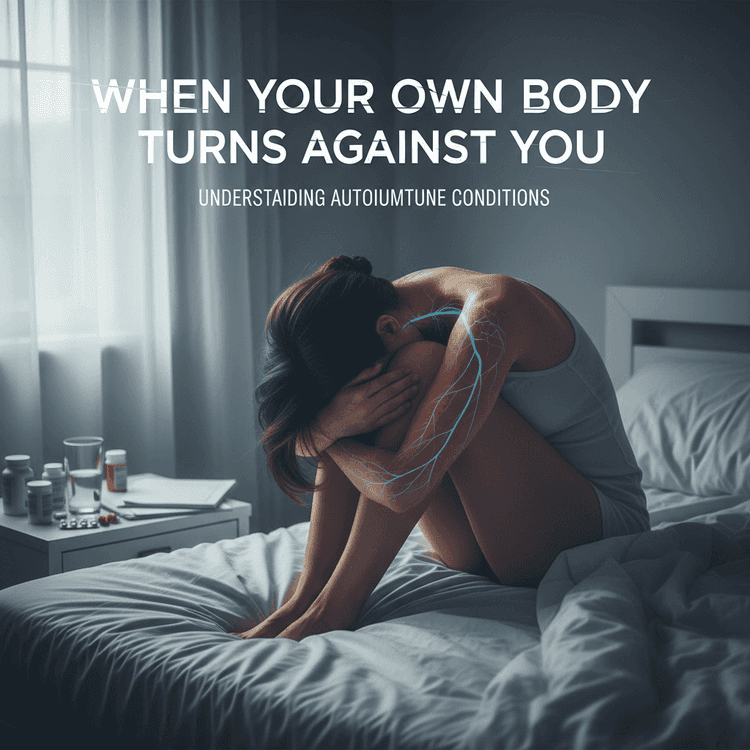
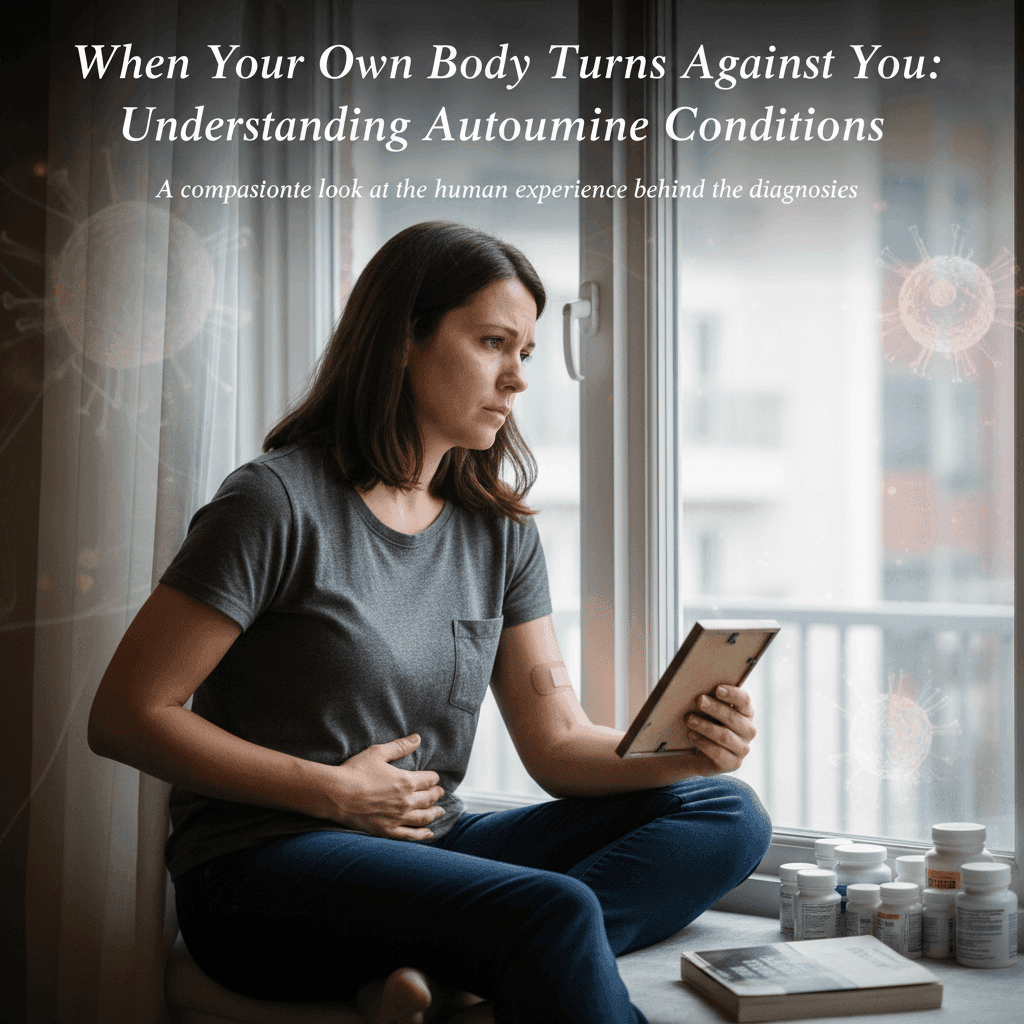
Imagine waking up each day to a battle that rages within your own skin, a war where the enemy is not an external invader, but your very own immune system. This profound and often terrifying reality is the lived experience for millions worldwide, encapsulated by the phrase 'When Your Body Attacks.' This post delves deep into the complex, often bewildering world of autoimmune diseases and other conditions where the body turns against itself, causing widespread inflammation, pain, fatigue, and a myriad of debilitating symptoms that defy easy explanation or simple solutions. We explore the initial shock and confusion of diagnosis, the frustrating odyssey of seeking answers, and the emotional toll exacted by a seemingly endless cycle of flare-ups and remissions. From the insidious creep of Rheumatoid Arthritis to the systemic havoc wreaked by Lupus, the neurological challenges of Multiple Sclerosis, or the digestive torment of Crohn's disease, we shed light on the diverse manifestations of these internal assaults. More than just a medical overview, this piece offers a compassionate look at the human experience behind the diagnoses – the invisible struggles, the unyielding resilience, and the relentless search for understanding and relief. It addresses the feelings of betrayal, the loss of self, and the profound mental health implications that accompany living with a body that feels like a stranger. We discuss coping strategies, the importance of patient advocacy, the evolving landscape of treatments, and the vital role of support communities in navigating this challenging journey. If you or a loved one are grappling with a condition where your body feels like your fiercest adversary, this post provides not only crucial insights but also a beacon of solidarity, reminding you that you are not alone in this fight.
When Your Immune System Turns Against You: The Internal Battle
Imagine a meticulously designed defense system, honed over millennia to distinguish friend from foe, suddenly losing its way, targeting the very tissues it was built to protect. This isn't a dystopian fantasy, but the chilling reality for millions grappling with autoimmune diseases, a profound and often terrifying experience where the body becomes its own battlefield. In this insidious internal war, the immune system, typically a vigilant guardian against external threats like viruses and bacteria, misidentifies healthy cells and organs as invaders, launching a relentless assault. This catastrophic malfunction manifests in a myriad of debilitating ways, from the searing joint pain of Rheumatoid Arthritis and the systemic havoc of Lupus, to the neurological challenges of Multiple Sclerosis, and the digestive torment of Crohn's disease. The consequences are widespread inflammation, chronic pain that gnaws at the spirit, an overwhelming fatigue that defies rest, and a host of other perplexing symptoms that oscillate between flare-ups and periods of remission, creating an unpredictable and emotionally exhausting journey. It’s a reality where one’s own body feels like a stranger, a betrayer, and the fiercest adversary, leaving individuals to navigate a world of invisible struggles, constant uncertainty, and an unrelenting search for answers and a semblance of relief in a fight that truly rages within.

When Your Body Attacks: The Invisible War Within Your Skin
Imagine a war raging not on a distant battlefield, but within the very confines of your own body, a profound and often terrifying reality for millions where the enemy is none other than your own immune system. This silent, relentless conflict, aptly described as "When Your Body Attacks," ushers in a bewildering array of conditions collectively known as autoimmune diseases, alongside others where the body turns against itself in equally devastating ways. From the insidious, joint-destroying inflammation of Rheumatoid Arthritis to the systemic havoc wreaked by Lupus, the neurological disruptions of Multiple Sclerosis, or the agonizing digestive torment of Crohn's disease, the manifestations are as diverse as they are debilitating. Victims often experience chronic pain that defies simple explanation, profound fatigue that sleep cannot alleviate, and a constellation of symptoms that ebb and flow in unpredictable cycles of flare-ups and periods of remission, rendering daily life an arduous challenge. This invisible war doesn't just assault the physical body; it wages a fierce battle on the mind and spirit, cultivating feelings of betrayal by one's own physiology, a profound loss of identity, and significant mental health implications as individuals grapple with a body that feels like a stranger. The initial shock of diagnosis often gives way to a frustrating odyssey of seeking answers, a journey fraught with uncertainty and the emotional toll exacted by a seemingly endless quest for understanding and relief. It's a journey marked by unyielding resilience, yet also by the constant need for validation and the desperate search for control over an internal insurgency that defies conventional logic.

Jennifer Trimbee

Aug 19, 2025

0 reading now
What Causes Cysts and When to Worry
Cysts are fluid-filled sacs that can develop in various parts of the body, including the skin, ovaries, and internal organs. They are usually benign, meaning they are not cancerous, and are often caused by blockages in ducts, cell proliferation, or infections. Hormonal changes, genetic factors, and chronic inflammatory conditions can also contribute to cyst formation. While most cysts are harmless and may resolve on their own, some can become problematic if they grow large, cause pain, or become infected. It's important to monitor cysts and seek medical advice if they change in size, color, or sensation, or if they occur in conjunction with other symptoms.
Read more
Jennifer Trimbee
Aug 19, 2025

Disclaimer
This site offers information designed for educational purposes only. You should not rely on any information on this site as a substitute for professional medical advice, diagnosis, treatment, or as a substitute for, professional counseling care, advice, diagnosis, or treatment. If you have any concerns or questions about your health, you should always consult with a physician or other healthcare professional.