Beyond Busy: Cultivate Peace by Finding Your White Space
Lifestyle and Welness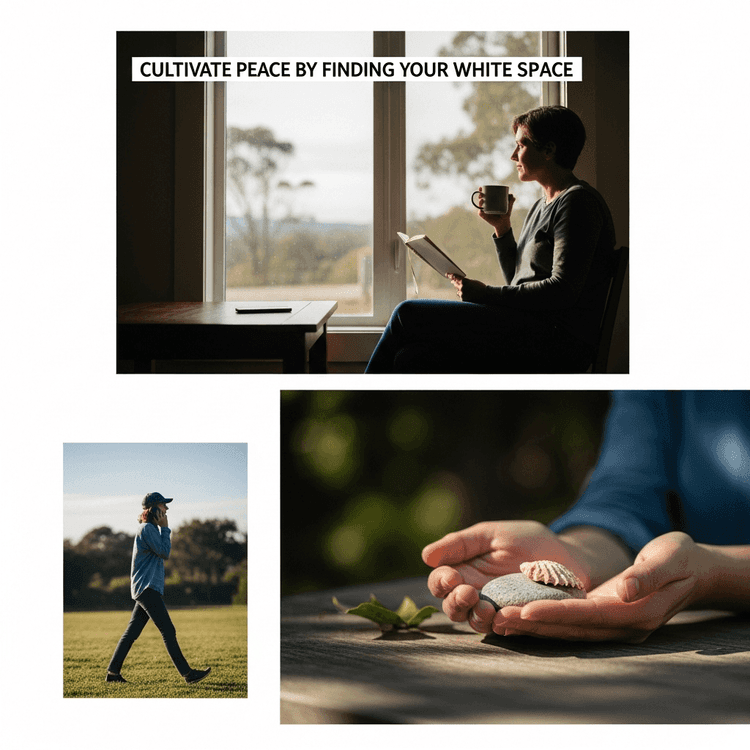
In our hyper-connected, always-on world, the concept of "white space" has become more vital yet increasingly elusive. This post delves into the profound importance of intentionally carving out these moments of quiet, unscheduled time amidst the relentless demands of daily life. We'll explore what true white space means – not just empty calendar slots, but mental breathing room, physical decluttering, and digital detoxes that allow your mind to wander, reflect, and recharge. Discover why constant busyness is often a barrier to genuine productivity, creativity, and well-being. Learn practical strategies for identifying and creating your own pockets of peace, whether it's through mindful pauses, strategic scheduling, or the powerful art of saying no. We'll challenge the societal pressure to always be doing, always be productive, and instead embrace the transformative power of stillness. Understand how embracing white space can reduce stress, enhance focus, spark innovation, and lead to more deliberate, fulfilling choices. This isn't about laziness; it's about strategic self-care, a deliberate act of freeing your mind to process, innovate, and thrive. Prepare to rethink your relationship with time and discover how liberating it can be to simply *be*, without an agenda, without interruption. Find your white space and unlock a new dimension of clarity, calm, and creative potential. It's time to reclaim your most precious resource: your attention and your peace.
Reclaim Your Peace: The Power of White Space in a Busy World
In our relentlessly hyper-connected, always-on world, the very notion of "white space" has transitioned from a pleasant ideal to an absolutely vital necessity, albeit one that feels increasingly elusive amidst the constant barrage of notifications and demands. This isn't merely about finding empty slots in an overstuffed calendar; it's about deliberately and profoundly carving out moments of genuine quiet, unscheduled time that allow for true mental breathing room. White space encompasses a holistic approach, extending beyond digital detoxes to include physical decluttering and the intentional creation of environments where your mind feels liberated enough to wander, reflect deeply, and thoroughly recharge its weary batteries. We're constantly told to be productive, to always be doing, yet this relentless busyness often serves as a significant barrier to genuine creativity, sustained productivity, and profound well-being. Embracing white space means challenging this societal pressure, understanding that true progress often emerges from stillness and contemplation, not just constant motion. It's about recognizing that strategic pauses, mindful moments, and the powerful, liberating art of saying "no" are not luxuries but essential tools for navigating modern life. By intentionally integrating these pockets of peace, whether through structured breaks or simply allowing for unstructured contemplation, we reduce stress, enhance our focus, ignite innovation, and ultimately make more deliberate, fulfilling choices in every aspect of our lives. This deliberate act of strategic self-care frees your mind to process complex thoughts, innovate solutions, and thrive in ways that are simply impossible when constantly reacting to external stimuli. It’s time to fundamentally rethink our relationship with time, to discover how truly liberating it can be to simply *be*, without an agenda, without interruption, thereby reclaiming your most precious resources: your undivided attention and your profound inner peace.
Strategic Self-Care: Reclaiming Peace Through White Space
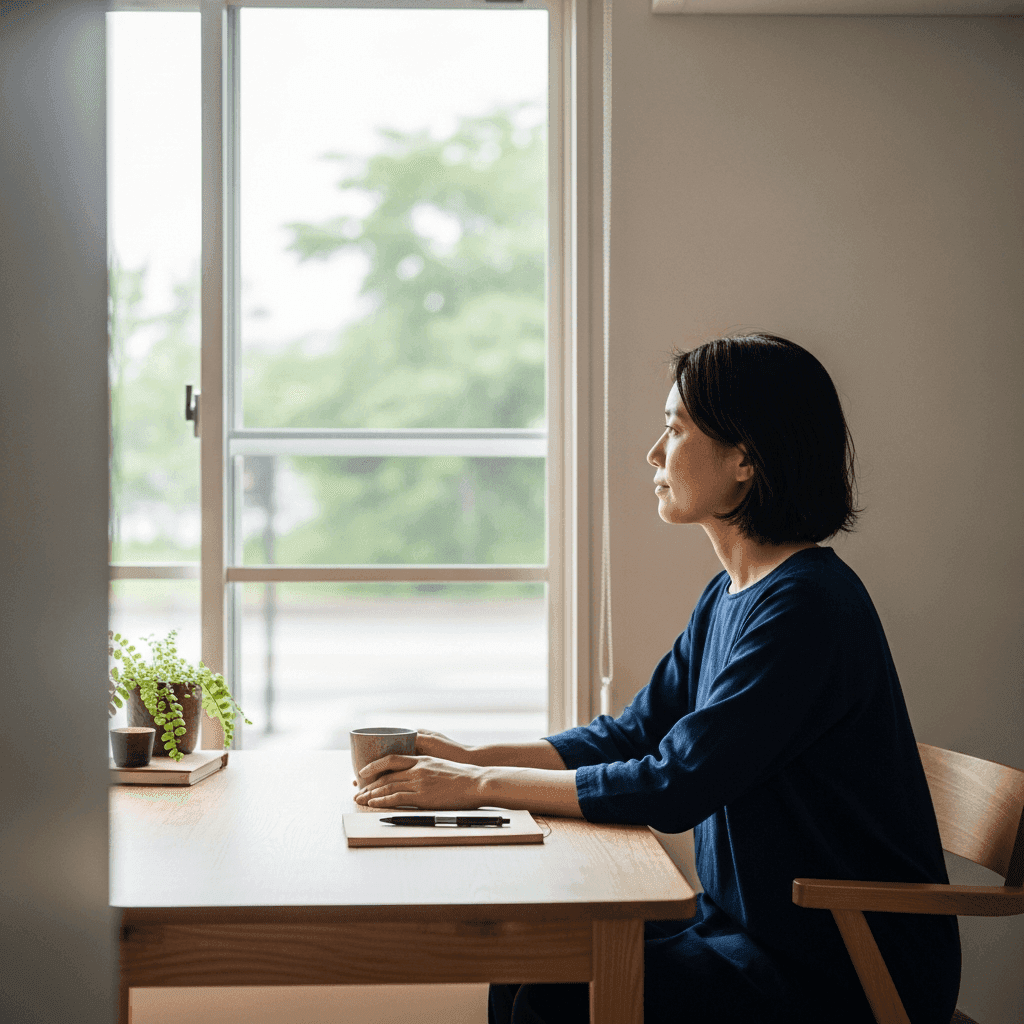
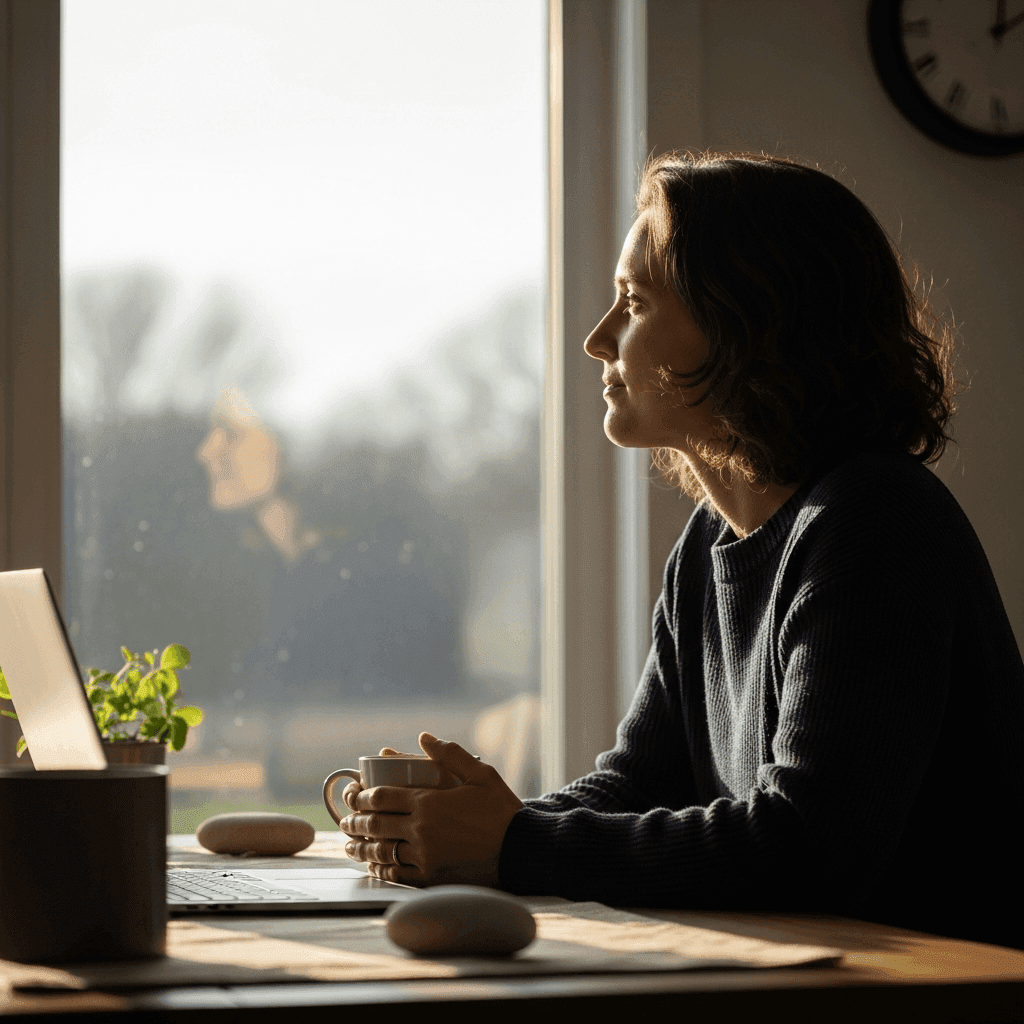
In a world that relentlessly champions constant connectivity and perpetual busyness, the profound act of embracing "white space" emerges not as a mere luxury, but as an indispensable component of strategic self-care, a deliberate and transformative path to reclaiming our peace. This isn't about idleness; it's a conscious, intelligent rebellion against the pervasive societal pressure to always be "on," always productive, and perpetually engaged. True white space encompasses those invaluable, unscheduled moments—whether they manifest as a few mindful pauses throughout a chaotic day, an hour dedicated to quiet reflection, a digital detox, or simply staring out the window without an agenda—that provide essential mental breathing room. It's in these intentional voids that our overstimulated minds can finally rest, process information without external demands, and wander freely, fostering a fertile ground for genuine clarity, profound innovation, and unhindered creativity. By proactively carving out these pockets of calm, we strategically reduce the insidious grip of stress, significantly enhance our capacity for deep focus, and restore our most precious resources: our attention, our energy, and our inner tranquility. This deliberate approach to personal well-being empowers us to make more conscious, aligned choices, fostering a deeper connection with our authentic selves and unlocking a richer, more deliberate existence far beyond the relentless demands of the daily grind, ultimately proving that sometimes, the most impactful thing you can do for your productivity and peace is simply to *be*.

Jennifer Trimbee

Aug 19, 2025
0 reading now
What Causes Cysts and When to Worry
Cysts are fluid-filled sacs that can develop in various parts of the body, including the skin, ovaries, and internal organs. They are usually benign, meaning they are not cancerous, and are often caused by blockages in ducts, cell proliferation, or infections. Hormonal changes, genetic factors, and chronic inflammatory conditions can also contribute to cyst formation. While most cysts are harmless and may resolve on their own, some can become problematic if they grow large, cause pain, or become infected. It's important to monitor cysts and seek medical advice if they change in size, color, or sensation, or if they occur in conjunction with other symptoms.
Read more
Jennifer Trimbee
Aug 19, 2025

Disclaimer
This site offers information designed for educational purposes only. You should not rely on any information on this site as a substitute for professional medical advice, diagnosis, treatment, or as a substitute for, professional counseling care, advice, diagnosis, or treatment. If you have any concerns or questions about your health, you should always consult with a physician or other healthcare professional.