The Silent Sleepers: Unmasking Diseases That Lie Dormant Within
Diseases and Conditions
Dive deep into the enigmatic world of diseases that silently lurk within our bodies, patiently awaiting their moment to awaken. This comprehensive post unravels the mysteries surrounding 'dormant' illnesses, a fascinating yet often unsettling facet of human health where pathogens and conditions lie in a state of suspended animation, hidden from our active immune responses and sometimes even from medical detection for extended periods. We explore the profound concept of latency, examining how viruses like herpes simplex, varicella-zoster (the culprit behind chickenpox and subsequently shingles), and even certain bacterial infections such as tuberculosis, can establish a quiescent presence, integrating themselves into our cells or tissues without immediate manifestation of symptoms. Our discussion illuminates the intricate mechanisms by which these diseases maintain their hidden status, evading detection and destruction by the body's vigilant defense systems. What biological triggers, environmental stressors, or immune system compromises can stir these sleeping giants from their slumber? We delve into the factors that can provoke a sudden and often unexpected reactivation, leading to significant health challenges and sometimes even life-altering consequences. From stress and fatigue to immune suppression and aging, understanding these catalysts is crucial for both prevention and management. Furthermore, this post addresses the critical implications of dormant diseases for individual health and public well-being. The diagnostic complexities they present, the psychological burden of living with a potential ticking time bomb, and the challenges in developing effective long-term treatments are all brought into sharp focus. We examine the importance of awareness, early detection, and proactive health management strategies in mitigating the risks associated with these stealthy adversaries. Discover how scientific advancements are continually shedding light on these hidden threats, offering new hope for understanding, preventing, and eventually conquering the diseases that lie dormant within us, shaping the future of medicine and personal health resilience. This exploration is not just about understanding illness; it's about empowering ourselves with knowledge to better navigate the intricate landscape of our own bodies and the microscopic worlds that inhabit them.
The Science of Silence: Unmasking Dormant Diseases and Their Triggers
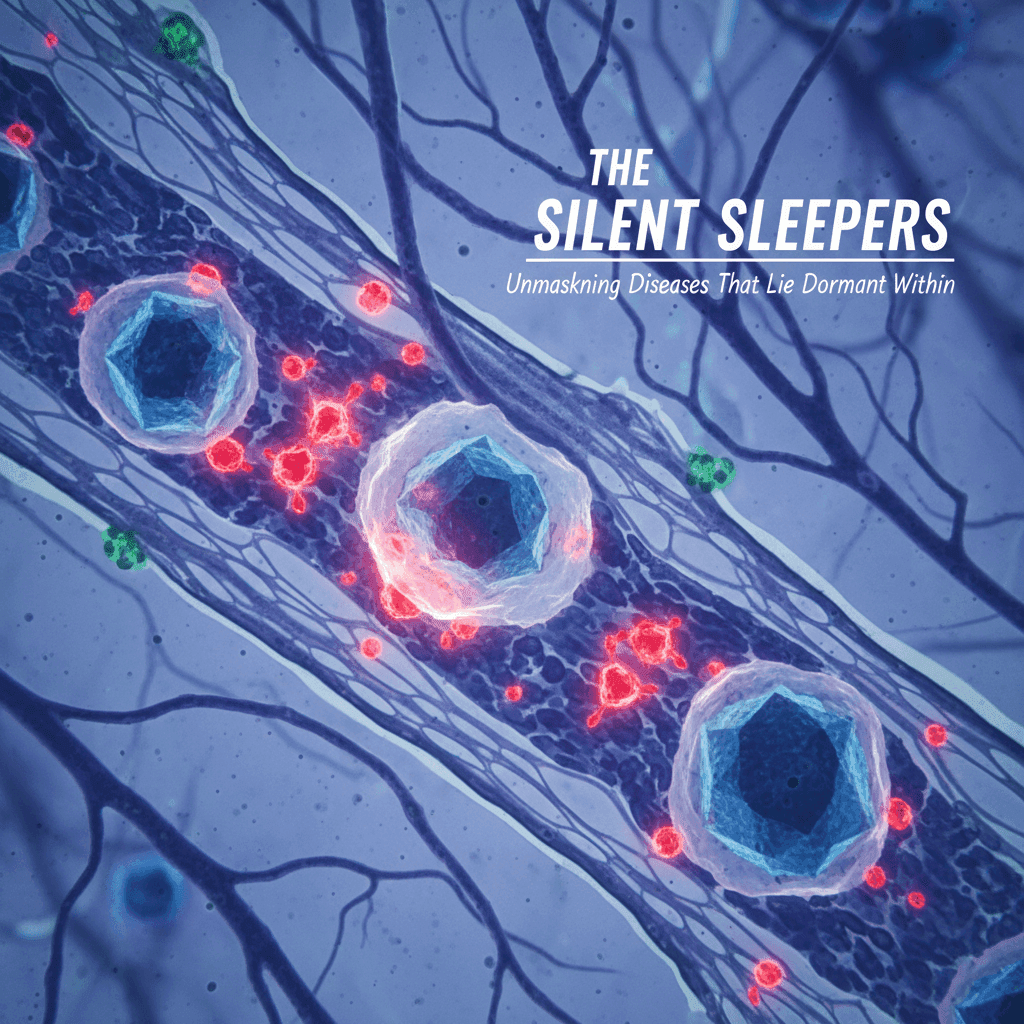
The phenomenon of diseases lying dormant represents a fascinating yet formidable challenge in medical science, embodying an intricate dance between pathogen survival strategies and host immunity. At its core, latency allows viruses like herpes simplex (HSV) and varicella-zoster (VZV), or bacteria such as *Mycobacterium tuberculosis*, to establish a quiescent presence within the host, often integrating their genetic material into host cells or forming persistent reservoirs in specific tissues like nerve ganglia or macrophages. This "science of silence" involves sophisticated molecular mechanisms where pathogens minimize their metabolic activity, suppress gene expression, and alter their antigenic profiles to become virtually invisible to the vigilant immune system. However, this delicate equilibrium is precariously maintained, susceptible to a range of "unmasking triggers" that can awaken these sleeping giants. Factors such as significant physiological or psychological stress, acute or chronic immune suppression—whether induced by medications, underlying conditions like HIV, or even severe illness—hormonal fluctuations, malnutrition, exposure to environmental stressors like UV radiation, and the natural process of aging can all tip the balance. These catalysts fundamentally compromise the host's immune surveillance, providing a window of opportunity for the latent pathogen to reactivate, replicate, and manifest as overt disease, leading to symptoms ranging from cold sores and shingles to active tuberculosis. Understanding these intricate molecular switches and the environmental and physiological factors that provoke them is paramount for developing targeted prophylactic and therapeutic strategies, offering new hope in predicting and preventing the devastating consequences of these stealthy adversaries.
Dormant Diseases: Unveiling Hidden Threats and Reactivation
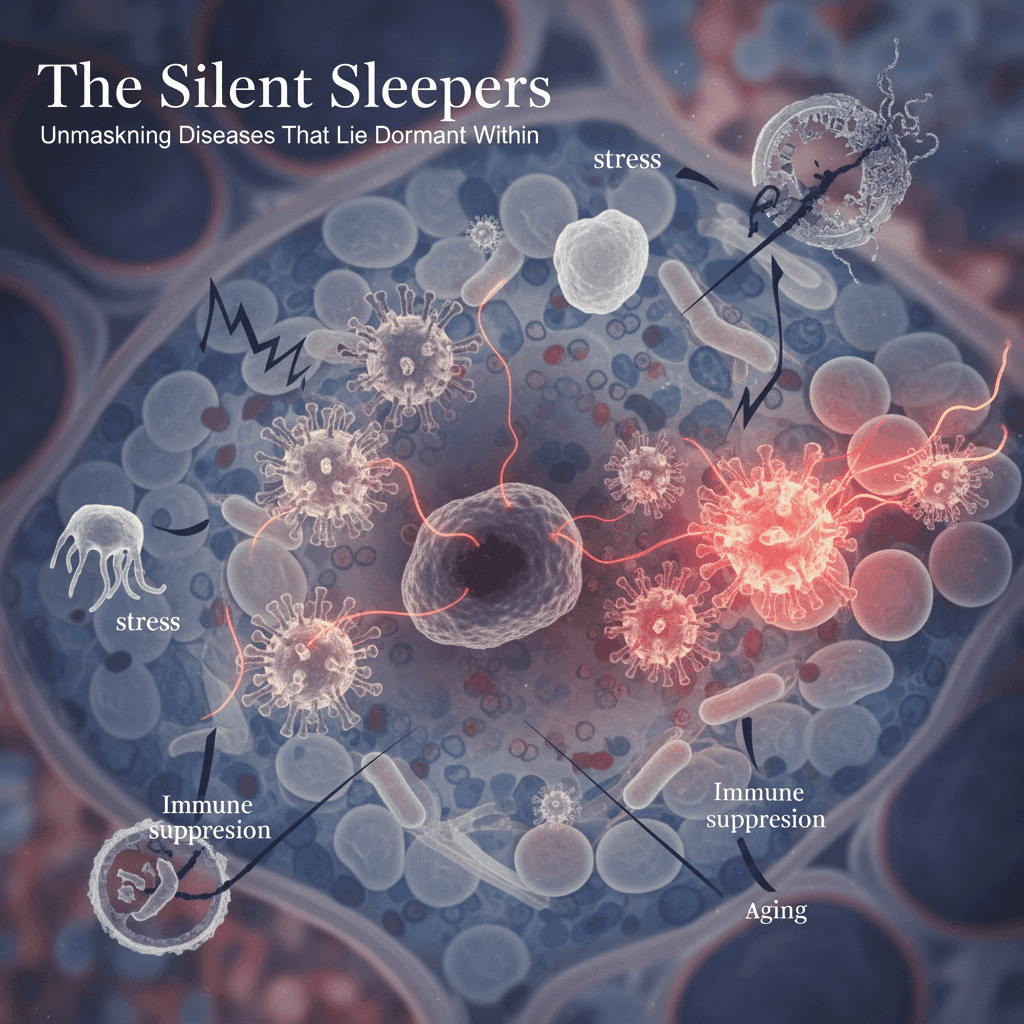
Dormant diseases represent a fascinating yet often unsettling frontier in human health, where pathogens like the herpes simplex virus, varicella-zoster responsible for chickenpox and shingles, and even bacteria such as Mycobacterium tuberculosis, establish a stealthy, quiescent presence within our bodies. These adversaries cleverly enter a state of suspended animation, integrating into our cells or tissues without manifesting immediate symptoms, thus effectively evading the vigilant detection and destruction efforts of our immune system. The profound concept of latency allows these conditions to lie hidden, often for extended periods, posing a significant challenge for both diagnosis and proactive management. However, this delicate balance can be abruptly disturbed by a multitude of factors, ranging from biological triggers and environmental stressors to compromised immune function. Common catalysts for reactivation include periods of intense psychological or physical stress, debilitating fatigue, various forms of immune suppression (whether disease-induced or medication-related), and the natural process of aging. When these sleeping giants are stirred from their slumber, they can lead to sudden and often unexpected flare-ups, resulting in significant health challenges and, in some cases, life-altering consequences for affected individuals. Understanding the intricate mechanisms of latency and, critically, identifying the specific triggers that provoke their re-emergence is paramount for developing more effective strategies for prevention, early detection, and long-term management, continually reshaping our approach to these stealthy adversaries as scientific advancements illuminate their hidden complexities.

Jennifer Trimbee

Aug 19, 2025

0 reading now
What Causes Cysts and When to Worry
Cysts are fluid-filled sacs that can develop in various parts of the body, including the skin, ovaries, and internal organs. They are usually benign, meaning they are not cancerous, and are often caused by blockages in ducts, cell proliferation, or infections. Hormonal changes, genetic factors, and chronic inflammatory conditions can also contribute to cyst formation. While most cysts are harmless and may resolve on their own, some can become problematic if they grow large, cause pain, or become infected. It's important to monitor cysts and seek medical advice if they change in size, color, or sensation, or if they occur in conjunction with other symptoms.
Read more
Jennifer Trimbee
Aug 19, 2025

Disclaimer
This site offers information designed for educational purposes only. You should not rely on any information on this site as a substitute for professional medical advice, diagnosis, treatment, or as a substitute for, professional counseling care, advice, diagnosis, or treatment. If you have any concerns or questions about your health, you should always consult with a physician or other healthcare professional.