Betrayal Within: When Your Immune System Turns Against You
Diseases and Conditions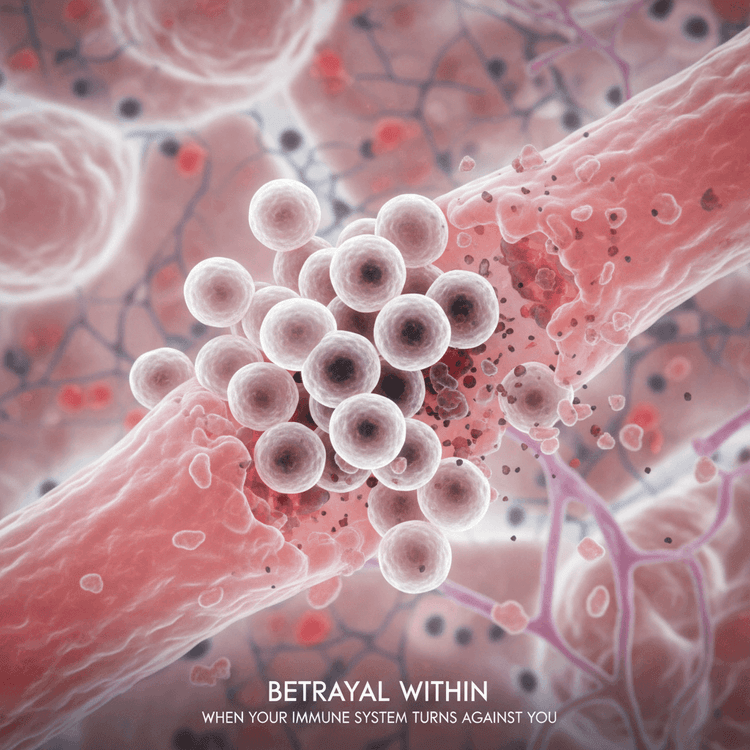
Our bodies are incredible fortresses, equipped with a sophisticated immune system designed to protect us from an endless array of invaders, from common colds to dangerous pathogens. But what happens when this intricate defense mechanism, meant to be our ultimate guardian, mysteriously turns its formidable power inward, mistaking healthy cells, tissues, and organs for foreign enemies? This perplexing and often devastating paradox is the core reality for millions globally, a phenomenon known as autoimmune disease – when the body, quite literally, attacks itself. This post delves into the profound and challenging world of these enigmatic conditions. We explore the intricate mechanisms behind why the immune system might lose its way, mistaking friend for foe, triggering a relentless, self-destructive assault. From the persistent, crippling inflammation of rheumatoid arthritis that slowly erodes joints, to the widespread systemic chaos of lupus affecting multiple organs, the debilitating demyelination in multiple sclerosis, or the digestive distress of Crohn's disease, the spectrum of "When the Body Attacks Itself" is vast and varied. Each condition presents its unique set of symptoms, often mimicking other ailments, leading to frustratingly long diagnostic journeys and a profound sense of uncertainty for those affected. The journey through an autoimmune diagnosis and subsequent management is often fraught with physical pain, chronic fatigue, emotional distress, and the challenge of living with an invisible illness that is frequently misunderstood. This piece aims to shed light on these complex realities. We will unpack common signs and symptoms that can serve as crucial whispers before becoming roaring alarms, helping to demystify these often-elusive conditions. Beyond the biological breakdown, we will touch upon the significant emotional and psychological toll, discuss the critical importance of early diagnosis, and explore various management strategies – from cutting-edge medical treatments and therapeutic interventions to holistic approaches, lifestyle adjustments, and self-care practices that can empower individuals to regain a sense of control and improve their quality of life. Join us as we navigate the challenging landscape of autoimmune conditions, seeking to foster deeper understanding, offer empathy, and empower those living with or supporting someone facing the profound reality of their own body attacking itself.
When Your Own Body Fights Itself: The Autoimmune Paradox
Imagine a fortress, meticulously built and brilliantly defended, suddenly turning its formidable cannons inward, targeting its own foundations and inhabitants. This is the stark, bewildering reality faced by millions worldwide, encapsulated by the term autoimmune disease – a profound and often devastating paradox where the body’s sophisticated immune system, designed with unparalleled precision to safeguard us from an endless onslaught of external threats, inexplicably loses its way. Instead of diligently identifying and neutralizing foreign invaders like bacteria, viruses, or toxins, it begins to tragically misidentify its own healthy cells, tissues, and vital organs as dangerous enemies. This catastrophic misdirection triggers a relentless, self-destructive assault, leading to chronic inflammation, damage, and dysfunction across various systems. The spectrum of these conditions is as vast as it is complex, ranging from the insidious joint destruction seen in rheumatoid arthritis, the widespread systemic chaos characteristic of lupus, the debilitating neurological damage in multiple sclerosis, to the chronic digestive inflammation defining Crohn's disease. Each manifestation, unique in its target and symptoms, underscores the immense challenge of these enigmatic conditions, often leading to protracted diagnostic odysseys and a pervasive sense of uncertainty for those living through the unsettling experience of their own body becoming its most formidable adversary, attacking itself from within.
The Paradox of Protection: When Your Immune System Turns Inward
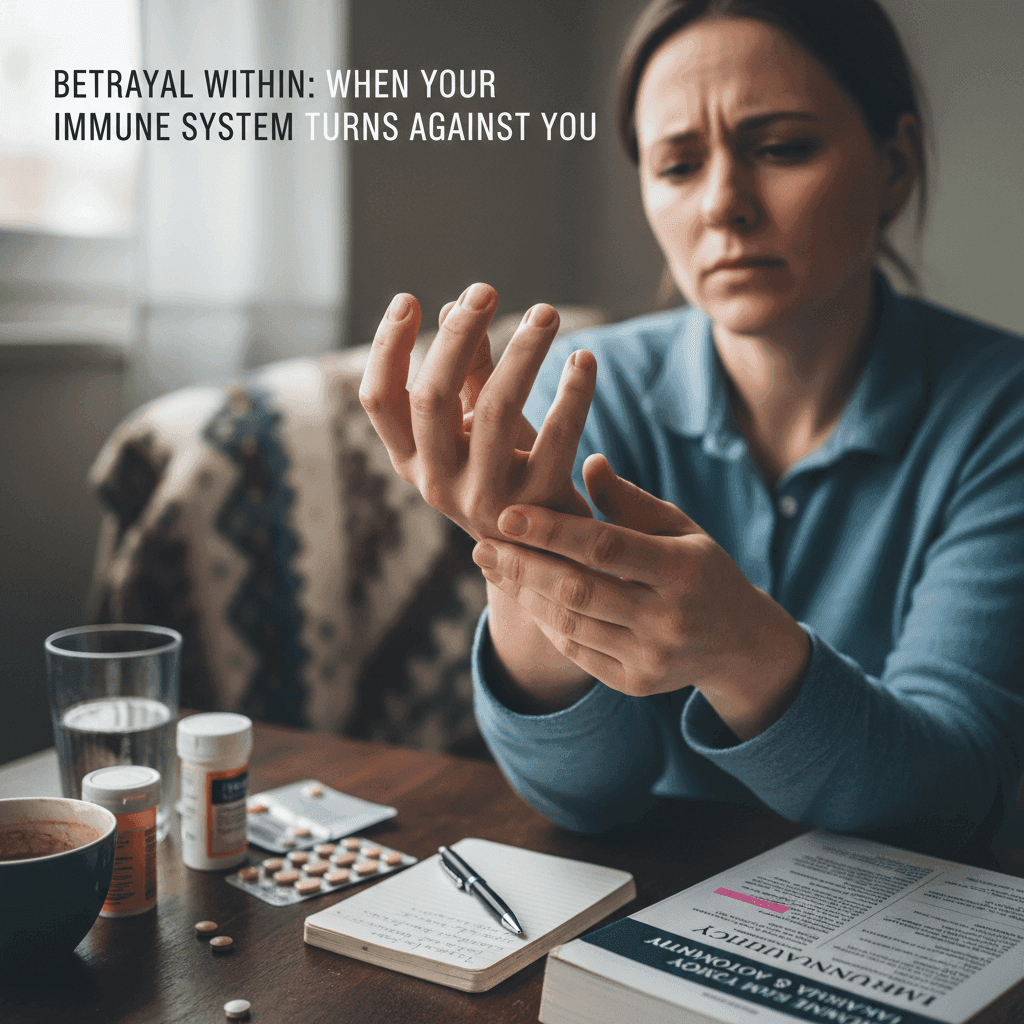
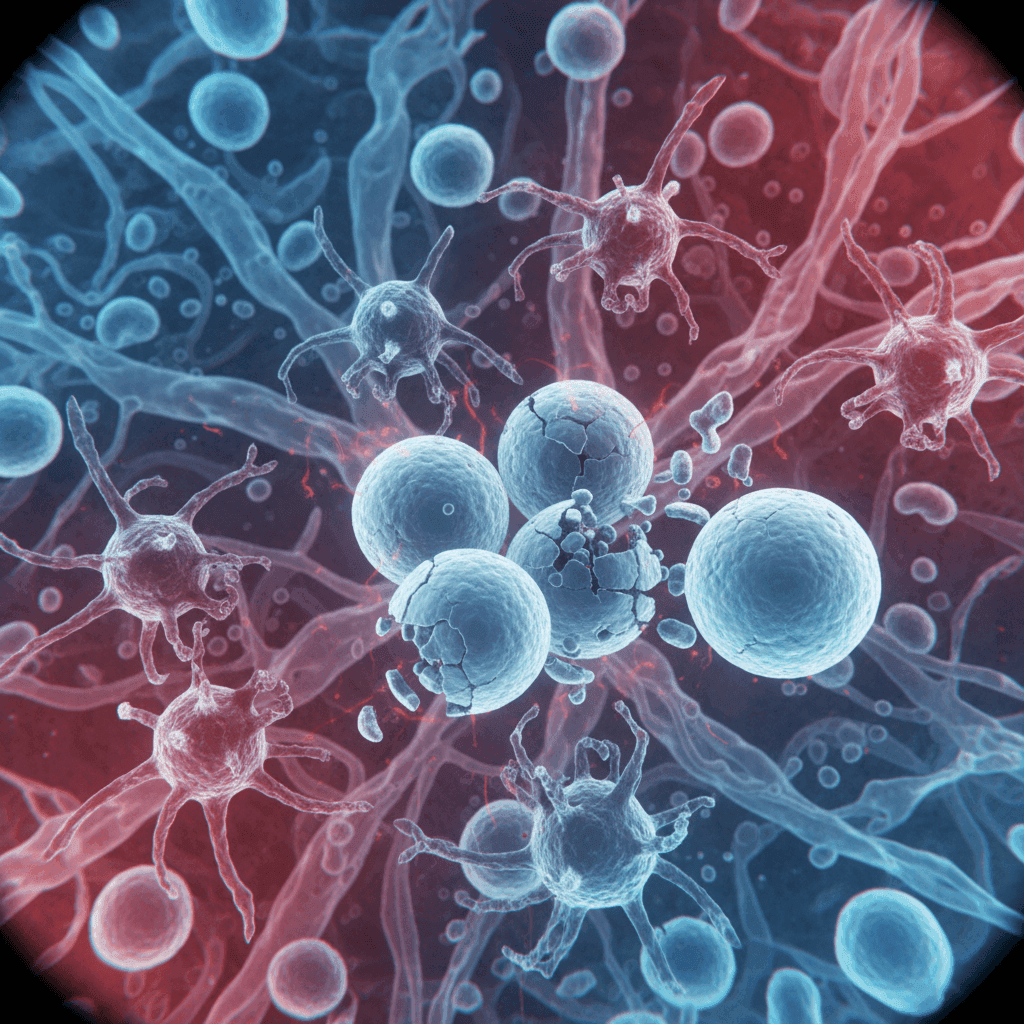
Our immune system stands as an unparalleled sentinel, an intricate biological defense network meticulously evolved to differentiate between "self" and "non-self," tirelessly safeguarding us from an endless parade of external threats—viruses, bacteria, fungi, and even cancerous cells. It is a marvel of biological engineering, perpetually vigilant, designed for unwavering protection. Yet, within this very fortress lies a profound and devastating paradox: a scenario where this ultimate guardian inexplicably veers off course, its formidable power turning inward. This is the perplexing reality of autoimmune disease, a condition where the body’s highly specialized defense mechanisms, intended to preserve health and ward off danger, mistakenly identify its own healthy cells, tissues, and organs as hostile invaders. Instead of defending, it launches a relentless, self-destructive assault, triggering chronic inflammation, damage, and dysfunction throughout various systems. The very system meant to ensure our survival becomes an internal aggressor, a betrayal that transforms the body into its own battlefield, leading to a spectrum of debilitating and often life-altering conditions that challenge our fundamental understanding of health and disease, forcing millions worldwide to grapple with the profound implications of their own protection mechanism becoming their greatest threat.

Jennifer Trimbee

Aug 19, 2025

0 reading now
What Causes Cysts and When to Worry
Cysts are fluid-filled sacs that can develop in various parts of the body, including the skin, ovaries, and internal organs. They are usually benign, meaning they are not cancerous, and are often caused by blockages in ducts, cell proliferation, or infections. Hormonal changes, genetic factors, and chronic inflammatory conditions can also contribute to cyst formation. While most cysts are harmless and may resolve on their own, some can become problematic if they grow large, cause pain, or become infected. It's important to monitor cysts and seek medical advice if they change in size, color, or sensation, or if they occur in conjunction with other symptoms.
Read more
Jennifer Trimbee
Aug 19, 2025

Disclaimer
This site offers information designed for educational purposes only. You should not rely on any information on this site as a substitute for professional medical advice, diagnosis, treatment, or as a substitute for, professional counseling care, advice, diagnosis, or treatment. If you have any concerns or questions about your health, you should always consult with a physician or other healthcare professional.