Unmasking the Impostors: When Your Body's Cries Are Misleading
Diseases and Conditions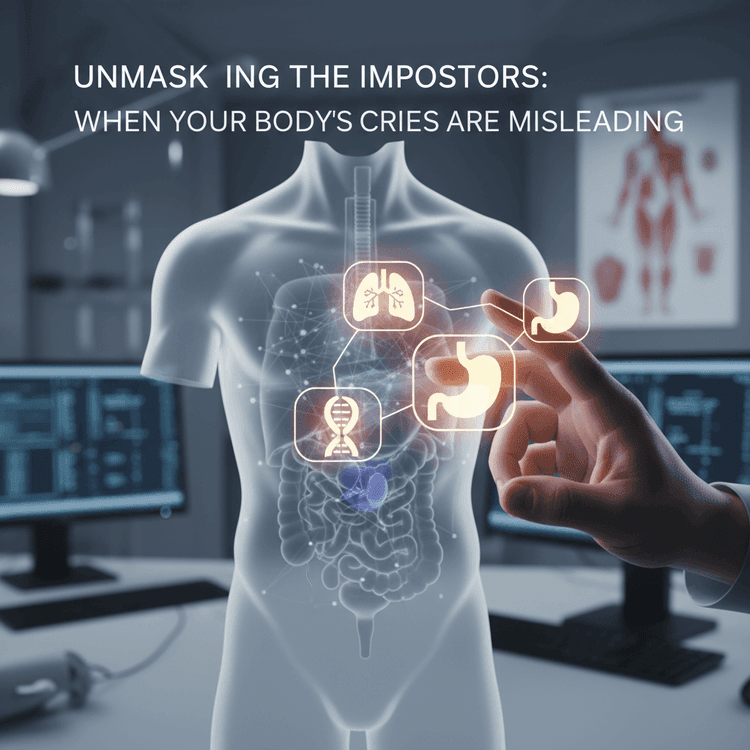
Have you ever experienced a symptom that pointed you down one diagnostic path, only to discover the true underlying issue was entirely different, perhaps even shockingly so? Our bodies are complex communicators, often sending signals through pain, fatigue, discomfort, or other seemingly straightforward indicators. But what happens when these signals are deceptive? What if the very symptoms that scream "common cold" are actually whispering "something far more serious"? This profound exploration delves into the perplexing world where symptoms lie. We uncover the intricate reasons why your body's alarm system might be sending false flags, masking the real culprit behind your distress. From referred pain that misleads both patient and physician, to the insidious nature of psychosomatic manifestations, and even rare conditions presenting with incredibly common complaints, this post navigates the treacherous waters of medical deception. We challenge the conventional wisdom that symptoms always lead directly to the obvious diagnosis, urging a deeper, more critical look at the subtle nuances our bodies present. Discover why self-diagnosis based solely on surface-level symptoms can be a dangerous game, and understand the critical role of comprehensive medical investigation in unveiling the truth. This isn't just about understanding misleading symptoms; it's about empowering you with the knowledge to question, to advocate, and to seek clarity when your body's narrative feels fractured. Prepare to rethink everything you thought you knew about your health signals as we explore the hidden truths behind "When Symptoms Lie." This comprehensive guide offers insights into recognizing these diagnostic pitfalls, emphasizing the importance of a nuanced approach to health complaints. It's a vital read for anyone who has ever felt their symptoms weren't telling the whole story, offering strategies to navigate these complex health mysteries and gain a clearer understanding of what your body is truly trying to communicate.
When Symptoms Lie: Unmasking Your Body's Deceptive Signals
Our bodies are masterful communicators, constantly sending signals through a vast array of sensations: the dull ache, the persistent fatigue, the sudden sharp pain, or an unsettling discomfort. We are often conditioned to interpret these symptoms as direct, unambiguous indicators of an underlying issue, intuitively mapping a cough to a cold, or indigestion to a rich meal. However, what if this seemingly straightforward narrative is profoundly misleading? Imagine a scenario where the very signals your body screams as a common ailment are, in fact, whispering a completely different, perhaps even critically serious, truth. This profound exploration delves into the perplexing reality where symptoms lie, a treacherous landscape where the obvious diagnostic path can lead both patient and physician astray. We will meticulously uncover the intricate reasons why your body’s alarm system might be sending false flags, skillfully masking the real culprit behind your distress. From the confusing phenomenon of referred pain, where the origin of discomfort is far removed from where it’s felt, to the insidious influence of psychosomatic manifestations that blur the lines between mind and matter, and even rare, life-altering conditions presenting with incredibly common, dismissible complaints, this article navigates the complex waters of medical deception. We challenge the conventional wisdom that symptoms always lead directly to the obvious diagnosis, compelling you to adopt a deeper, more critical perspective on the subtle nuances your body presents. Prepare to rethink everything you thought you knew about health signals, empowering yourself with the knowledge to question, advocate, and seek clarity when your body's narrative feels fractured, ultimately unveiling the hidden truths behind its deceptive communications.
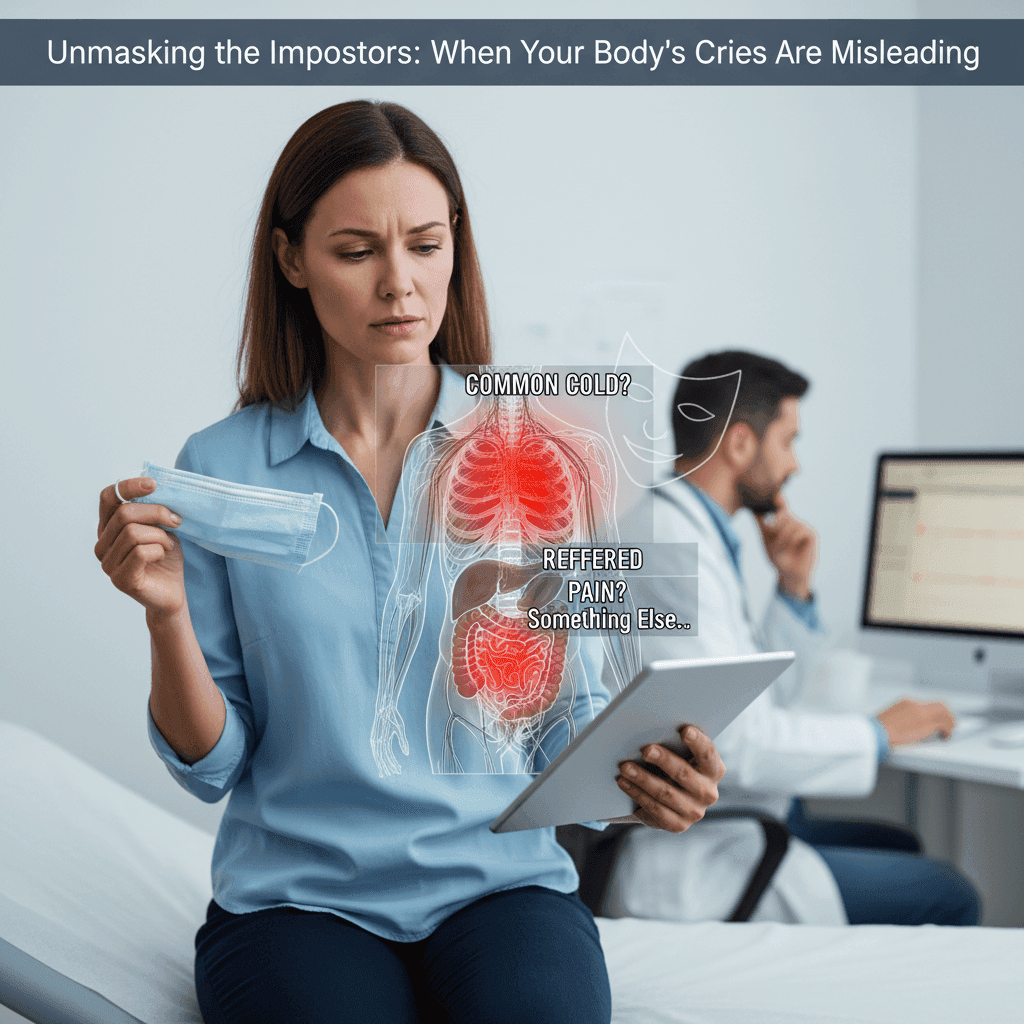
When Symptoms Lie: Decoding Your Body's Hidden Messages
Our bodies are sophisticated communicators, constantly sending signals through aches, fatigue, discomfort, and a myriad of other indicators, which we often rely upon as direct signposts to a diagnosis. Yet, what if these seemingly straightforward messages are deliberately misleading? The profound truth is that symptoms, despite their urgency, can lie, diverting our attention—and sometimes even that of medical professionals—down an entirely incorrect path. This deceptive nature of bodily signals forms the cornerstone of a perplexing medical reality, where the very pain in your shoulder might originate not from a local injury, but from an issue with your heart, or persistent digestive woes could stem not from diet, but from a deeply ingrained stress response. We delve into the intricate reasons behind this biological subterfuge, exploring phenomena like referred pain, where the brain misinterprets the origin of discomfort, and the insidious power of psychosomatic manifestations, where mental distress manifests as very real physical ailments. Furthermore, we uncover how rare or serious conditions often masquerade behind incredibly common, innocuous complaints, creating a dangerous veil of normalcy that delays accurate diagnosis. This exploration challenges the simplistic view that symptoms always lead directly to the obvious conclusion, urging a more critical, nuanced approach to understanding our health. Recognizing that your body's alarm system can send false flags is crucial; it underscores the peril of self-diagnosis based solely on surface-level discomfort and highlights the indispensable role of thorough medical investigation in peeling back these layers of deception to reveal the genuine underlying cause. By empowering you to question, to advocate for a deeper look, and to seek clarity when your body's narrative feels fractured, we aim to transform how you interpret your personal health signals, equipping you to truly decode your body's hidden messages and navigate these complex health mysteries with informed discernment.


Jennifer Trimbee

Aug 19, 2025

0 reading now
What Causes Cysts and When to Worry
Cysts are fluid-filled sacs that can develop in various parts of the body, including the skin, ovaries, and internal organs. They are usually benign, meaning they are not cancerous, and are often caused by blockages in ducts, cell proliferation, or infections. Hormonal changes, genetic factors, and chronic inflammatory conditions can also contribute to cyst formation. While most cysts are harmless and may resolve on their own, some can become problematic if they grow large, cause pain, or become infected. It's important to monitor cysts and seek medical advice if they change in size, color, or sensation, or if they occur in conjunction with other symptoms.
Read more
Jennifer Trimbee
Aug 19, 2025

Disclaimer
This site offers information designed for educational purposes only. You should not rely on any information on this site as a substitute for professional medical advice, diagnosis, treatment, or as a substitute for, professional counseling care, advice, diagnosis, or treatment. If you have any concerns or questions about your health, you should always consult with a physician or other healthcare professional.