25 Foods That Are Good for High Blood Pressure
Lifestyle and Welness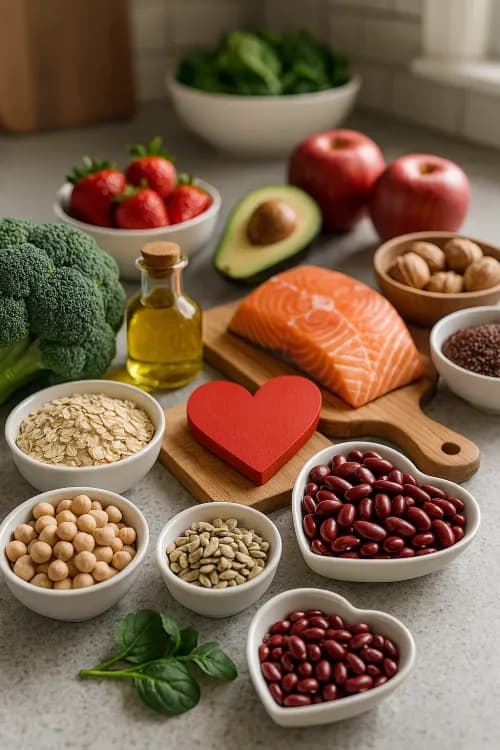
Managing high blood pressure is crucial for maintaining heart health and reducing the risk of cardiovascular diseases. A well-balanced diet plays a significant role in controlling blood pressure levels, and incorporating certain foods can have a positive impact. This article explores 25 foods that are beneficial for individuals with high blood pressure. These foods are rich in essential nutrients such as potassium, magnesium, fiber, and antioxidants, which help in relaxing blood vessels, reducing arterial pressure, and promoting overall cardiovascular health. By making informed dietary choices, individuals can effectively manage their blood pressure levels and enhance their overall well-being.
Fruits and Vegetables
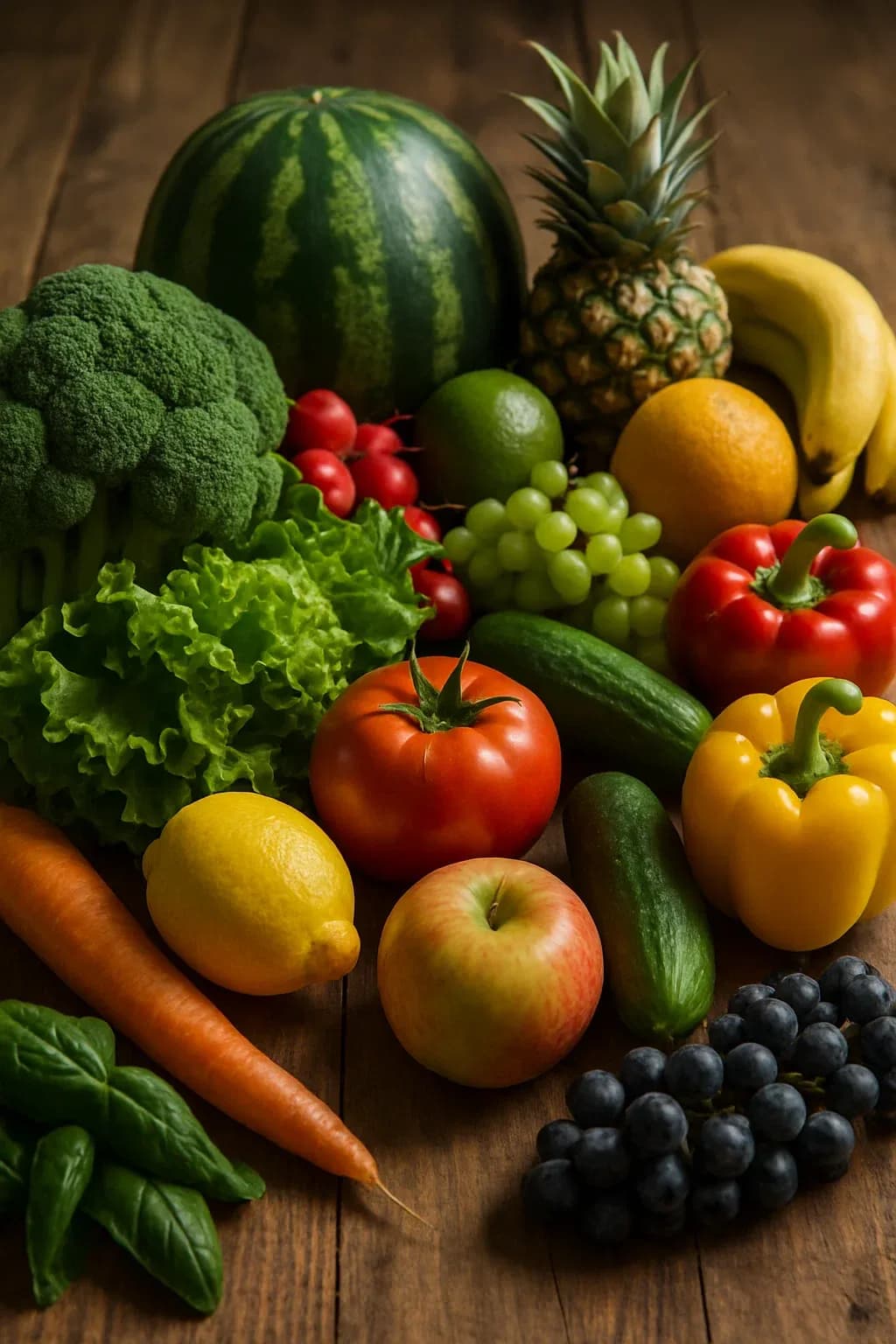
Fruits and vegetables are a cornerstone of a heart-healthy diet, particularly for those managing high blood pressure. Leafy greens like spinach and kale are rich in potassium, which helps balance sodium levels in the body and ease tension in the blood vessels. Berries, especially blueberries, are loaded with antioxidants such as anthocyanins, which have been shown to reduce blood pressure. Bananas are another excellent source of potassium, and their fiber content aids in maintaining cardiovascular health. Beets are rich in nitrates, compounds that have been found to lower blood pressure significantly. Citrus fruits like oranges and lemons provide a good dose of vitamin C and other antioxidants that support heart health by improving arterial function and reducing inflammation. Incorporating these fruits and vegetables into daily meals can contribute to better blood pressure management and overall health.
Whole Grains and Nuts
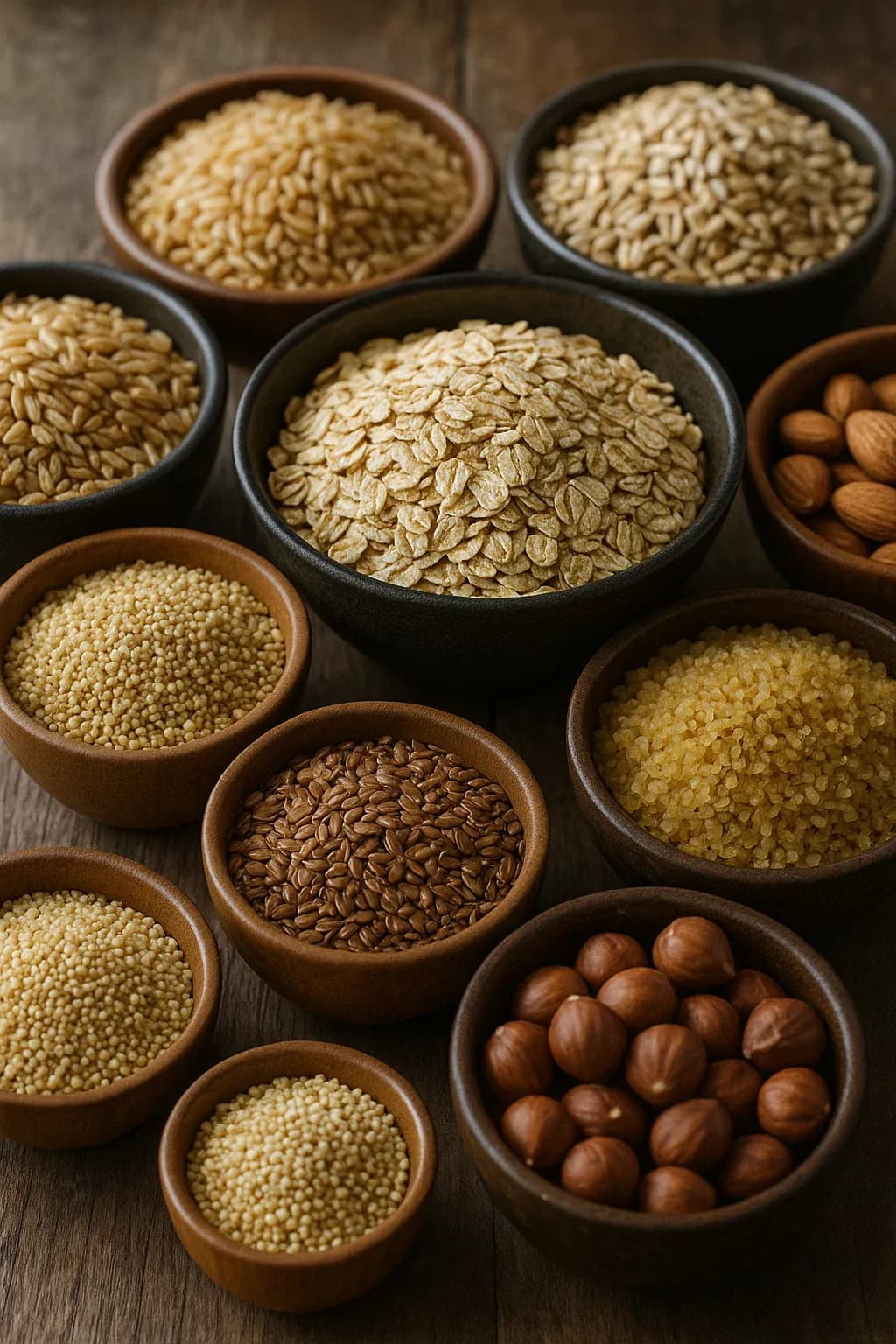
Whole grains and nuts are vital components of a diet aimed at managing high blood pressure. Whole grains such as oats, quinoa, and brown rice are rich in fiber, which helps in maintaining a healthy weight and reducing arterial pressure. Oats contain a specific type of soluble fiber called beta-glucan, known for its cholesterol-lowering properties and ability to improve heart health. Nuts, particularly almonds and walnuts, are excellent sources of healthy fats, magnesium, and protein. These nutrients are essential for maintaining normal blood pressure levels and promoting overall cardiovascular function. The monounsaturated fats in nuts help to reduce bad cholesterol levels, while their magnesium content aids in relaxing blood vessels and improving blood flow. Including a variety of whole grains and nuts in your diet can help stabilize blood pressure and contribute to long-term heart health.

Jennifer Trimbee

Aug 19, 2025

0 reading now
What Causes Cysts and When to Worry
Cysts are fluid-filled sacs that can develop in various parts of the body, including the skin, ovaries, and internal organs. They are usually benign, meaning they are not cancerous, and are often caused by blockages in ducts, cell proliferation, or infections. Hormonal changes, genetic factors, and chronic inflammatory conditions can also contribute to cyst formation. While most cysts are harmless and may resolve on their own, some can become problematic if they grow large, cause pain, or become infected. It's important to monitor cysts and seek medical advice if they change in size, color, or sensation, or if they occur in conjunction with other symptoms.
Read more
Jennifer Trimbee
Aug 19, 2025
Disclaimer
This site offers information designed for educational purposes only. You should not rely on any information on this site as a substitute for professional medical advice, diagnosis, treatment, or as a substitute for, professional counseling care, advice, diagnosis, or treatment. If you have any concerns or questions about your health, you should always consult with a physician or other healthcare professional.