Beyond Digestion: The Secret Language of Your Gut & Brain
Your Health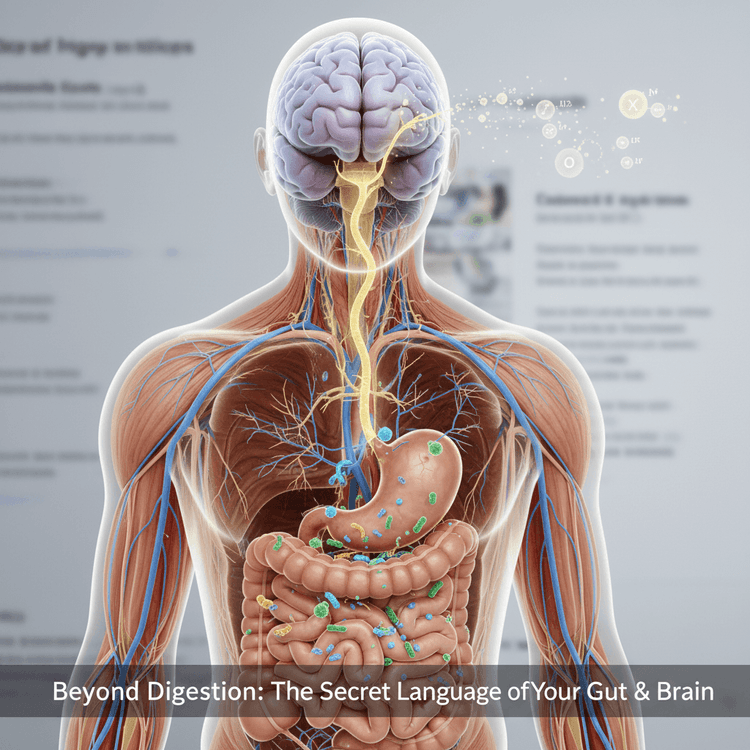
Delve deep into the fascinating and increasingly understood world of the Gut-Brain Connection, a complex bidirectional communication system that profoundly impacts both our physical and mental health. This post unravels the intricate pathways linking your digestive system to your neurological well-being, exploring how your gut, often referred to as your "second brain," doesn't just process food, but actively influences your mood, cognition, and stress responses. We'll examine the crucial roles played by the vagus nerve, a direct highway between these two vital organs, along with the powerful influence of the gut microbiota. Discover how the trillions of microorganisms residing in your intestines produce neurotransmitters like serotonin and dopamine, impacting everything from your anxiety levels to your overall sense of happiness. Understand the science behind how microbial metabolites, such as short-chain fatty acids, communicate with your brain, influencing inflammation and even neurodevelopment. Beyond the biological mechanisms, this comprehensive guide will shed light on practical strategies to nurture your gut health for optimal brain function. Learn about the dietary choices that can foster a diverse and robust microbiome, including the importance of probiotics, prebiotics, and a whole-food approach. We'll also touch upon lifestyle factors like stress management, adequate sleep, and regular exercise, and how these contribute significantly to strengthening the gut-brain axis. Whether you're struggling with mood fluctuations, digestive issues, or simply seeking to enhance your overall well-being, understanding this profound connection is a game-changer. This post aims to empower you with knowledge and actionable insights to cultivate a healthier gut, leading to a clearer mind, improved emotional resilience, and a more vibrant life. Prepare to transform your understanding of how deeply intertwined your gut and brain truly are, and unlock the potential for holistic health from the inside out.
Unraveling the Gut-Brain Connection for Mind-Body Wellness
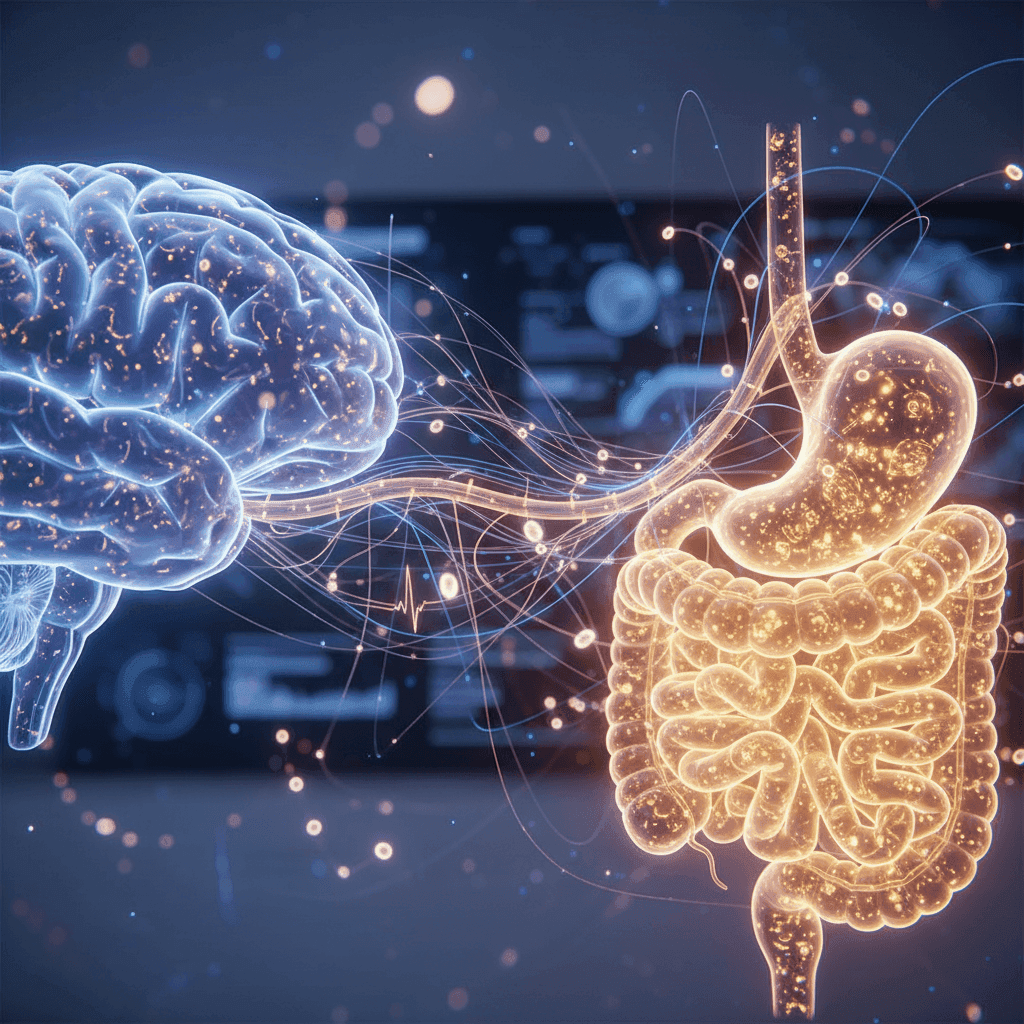
The intricate dance between your digestive system and your brain, often termed the Gut-Brain Connection, represents a profound bidirectional communication highway that profoundly impacts every facet of your physical and mental well-being. Far from a simple one-way street, this sophisticated axis involves continuous crosstalk, where your gut, frequently called your "second brain," doesn't merely process the food you eat but actively orchestrates your mood, cognitive functions, and stress responses. At the heart of this connection lies the vagus nerve, a direct neural pathway facilitating rapid information exchange, complemented by the immense influence of your gut microbiota. These trillions of microorganisms residing within your intestines are not passive residents; they are industrious biochemists, producing vital neurotransmitters such as serotonin and dopamine, which are crucial regulators of anxiety levels, happiness, and overall emotional state. Moreover, microbial metabolites like short-chain fatty acids (SCFAs) play a critical role, signaling to the brain to modulate inflammation and even contribute to neurodevelopment. Understanding this complex interplay is paramount, as nurturing your gut health through dietary choices rich in prebiotics, probiotics, and whole foods, alongside stress management, adequate sleep, and regular exercise, empowers you to cultivate a robust gut microbiome. This, in turn, fosters optimal brain function, leading to a clearer mind, enhanced emotional resilience, and a more vibrant, holistically healthy life, truly transforming your perspective on internal well-being.
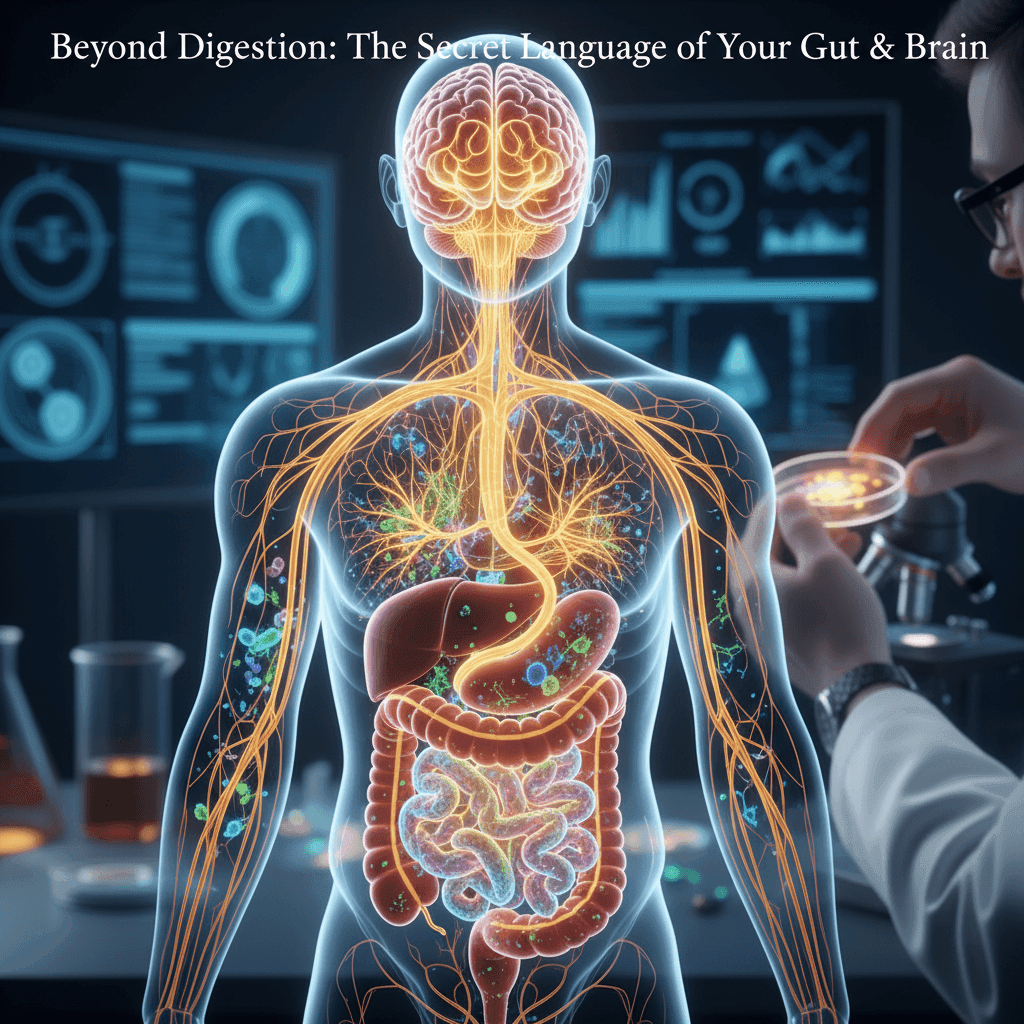
Decoding the Gut-Brain Axis: A Path to Mental and Physical Wellness.
The intricate dance between your gut and brain, often referred to as the gut-brain axis, represents a profound bidirectional communication system that fundamentally shapes your overall health and well-being. Far from merely a digestive organ, your gut, teeming with trillions of microorganisms known as the gut microbiota, acts as a "second brain," constantly exchanging signals with your central nervous system via a complex network including the vital vagus nerve. This remarkable connection means that the state of your digestive system directly influences your mood, cognitive function, and stress resilience, while psychological stress can, in turn, impact gut health. Research increasingly reveals how these microbial residents produce crucial neurotransmitters like serotonin and dopamine, impacting anxiety, happiness, and even sleep patterns, alongside generating metabolites such as short-chain fatty acids that communicate with your brain, influencing inflammation and neurodevelopment. Understanding and nurturing this delicate interplay is not just about alleviating digestive discomfort; it's a transformative approach to achieving optimal mental clarity, emotional stability, and robust physical health. By adopting targeted dietary choices rich in prebiotics and probiotics, alongside fostering healthy lifestyle habits like stress management and adequate sleep, you can actively decode and optimize this axis, unlocking a powerful pathway to comprehensive wellness from the inside out, truly illustrating how deeply intertwined your gut and brain truly are in the quest for a vibrant, resilient life.

Jennifer Trimbee

Aug 19, 2025

0 reading now
What Causes Cysts and When to Worry
Cysts are fluid-filled sacs that can develop in various parts of the body, including the skin, ovaries, and internal organs. They are usually benign, meaning they are not cancerous, and are often caused by blockages in ducts, cell proliferation, or infections. Hormonal changes, genetic factors, and chronic inflammatory conditions can also contribute to cyst formation. While most cysts are harmless and may resolve on their own, some can become problematic if they grow large, cause pain, or become infected. It's important to monitor cysts and seek medical advice if they change in size, color, or sensation, or if they occur in conjunction with other symptoms.
Read more
Jennifer Trimbee
Aug 19, 2025
Disclaimer
This site offers information designed for educational purposes only. You should not rely on any information on this site as a substitute for professional medical advice, diagnosis, treatment, or as a substitute for, professional counseling care, advice, diagnosis, or treatment. If you have any concerns or questions about your health, you should always consult with a physician or other healthcare professional.