Placebo Effect: Harnessing Your Mind's Innate Healing Power
Diseases and Conditions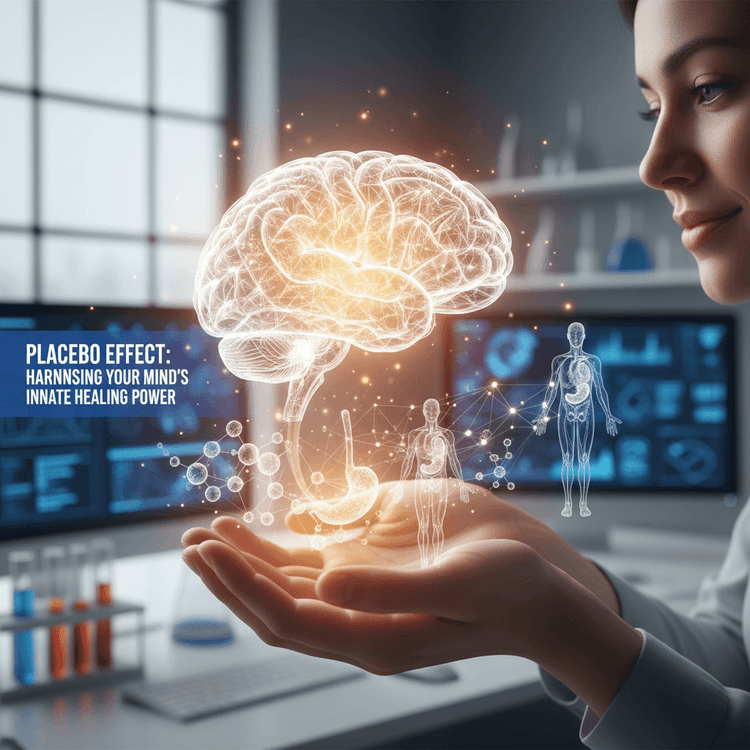
Delve deep into the intriguing world of the placebo effect, a phenomenon that continuously challenges our understanding of health, healing, and the intricate connection between mind and body. This comprehensive exploration unpacks "The Power of Placebo," moving beyond its common misconception as mere imagination to reveal its profound physiological and psychological impacts. We examine how a seemingly inert substance or a non-specific intervention can trigger measurable improvements in a patient's condition, from alleviating chronic pain and reducing symptoms of depression to even influencing the course of certain autoimmune responses. Our post delves into the neurobiological mechanisms believed to underpin this remarkable effect. We explore the role of expectation, conditioning, and the patient-practitioner relationship in activating the brain's natural pharmacies, leading to the release of endorphins, dopamine, and other powerful neurochemicals that mediate healing and well-being. Understand why the placebo effect is not just 'all in the head' but a tangible, scientifically observable process that influences everything from surgical outcomes to the efficacy of pharmaceutical trials. We also tackle the ethical implications of leveraging the placebo response in clinical practice and discuss its critical role in the design of robust medical research. Discover how understanding the placebo effect helps scientists differentiate between the specific effects of a new drug and the non-specific therapeutic factors that contribute to recovery. This insightful article will transform your perspective on medicine, self-healing, and the incredible, often underestimated, capacity of the human mind to influence physical reality. Join us as we unravel the mysteries and harness the lessons from one of medical science's most compelling paradoxes.
The Mind's Pharmacy: Unlocking the True Power of Placebo
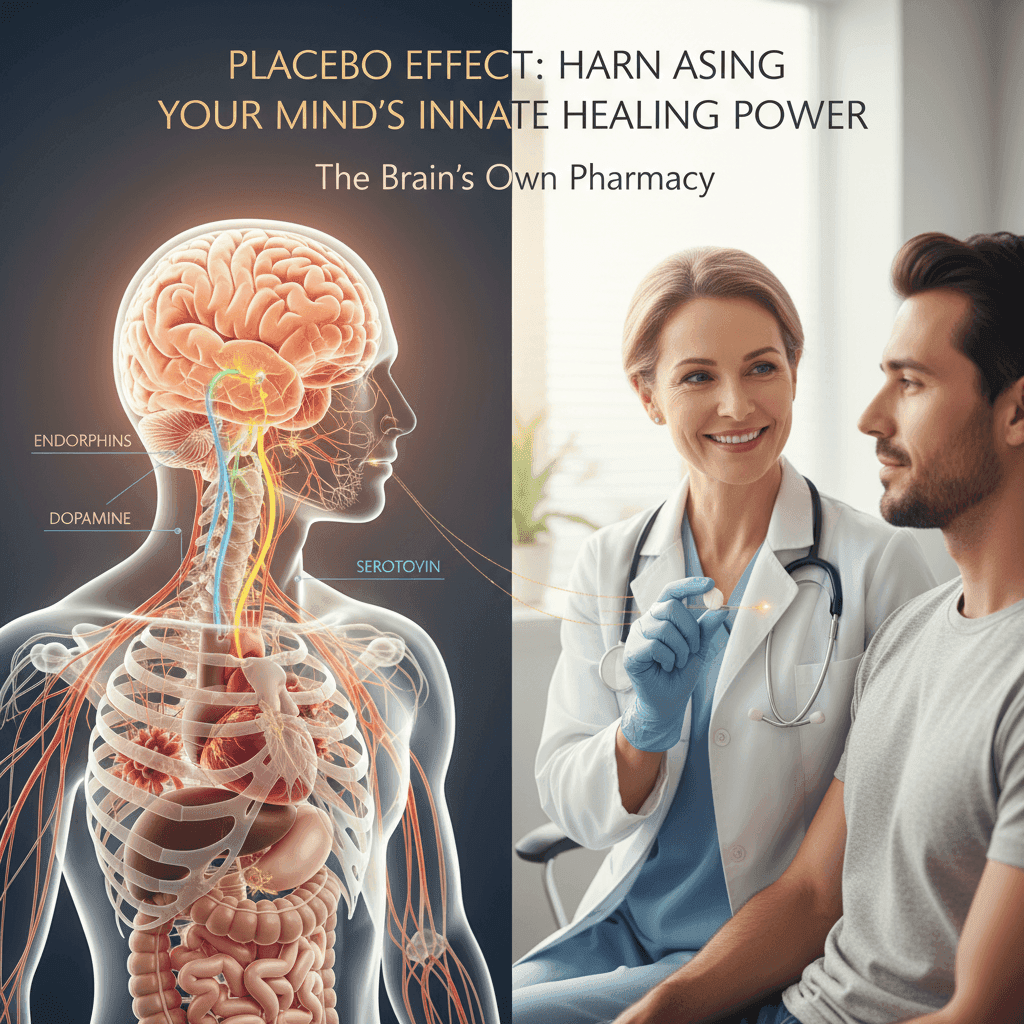
Beyond its traditional mischaracterization as mere imagination, the placebo effect truly illuminates the extraordinary capacity of the human mind to act as its own potent pharmacy, actively influencing physiological reality. This remarkable phenomenon isn't about wishful thinking, but rather the brain's sophisticated ability to trigger a cascade of neurobiological processes, effectively releasing its endogenous pharmacopoeia. When expectation, belief, and the therapeutic context align, particularly within a supportive patient-practitioner relationship, the brain activates powerful internal mechanisms, orchestrating the release of vital neurochemicals such as endorphins, renowned for their natural pain-relieving properties, and dopamine, crucial for motivation and reward pathways, alongside other neurotransmitters that mediate healing and well-being. This intricate internal chemistry can demonstrably alleviate chronic pain, mitigate symptoms of depression, improve gastrointestinal function, and even modulate immune responses, showcasing a tangible, measurable impact on various bodily systems that moves far beyond psychological suggestion alone. It profoundly underscores that the 'power of placebo' is a scientifically observable process, a testament to the intricate mind-body connection, where perceived intervention, even an inert one, can unlock the brain's inherent healing potential, fundamentally altering our understanding of health, recovery, and the therapeutic landscape itself. This dynamic interplay reveals that our brains are not just passive recipients of external healing agents, but active participants, capable of generating internal cures and influencing physical reality in surprising and scientifically significant ways.
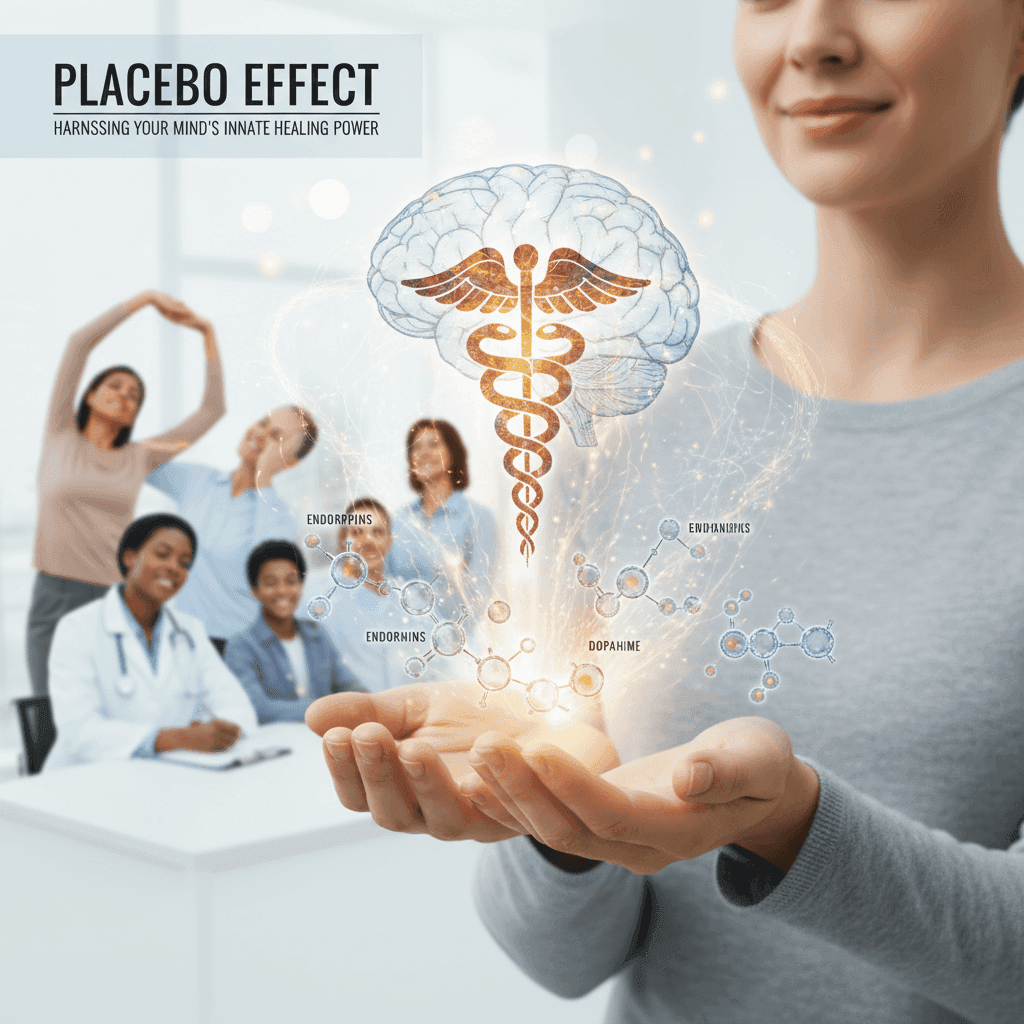
The Placebo Paradox: How Mind Activates Body's Natural Pharmacy
The placebo effect stands as a profound testament to the intricate, often underestimated, connection between our mind and body, presenting a paradox where an inert substance or a non-specific intervention can elicit tangible, measurable physiological changes. Far from being a mere figment of imagination, this remarkable phenomenon represents the brain's extraordinary capacity to act as its own sophisticated pharmacy. When an individual receives a placebo, especially within a context of positive expectation and a trusting patient-practitioner relationship, the brain isn't fooled; rather, it's activated. This activation, fueled by anticipation and prior conditioning, triggers a cascade of neurobiological responses. Specifically, the brain's internal 'pharmacy' kicks into gear, releasing a potent cocktail of neurochemicals, including endorphins, our natural pain relievers; dopamine, linked to reward and motivation; serotonin, crucial for mood regulation; and even endogenous cannabinoids. These powerful endogenous compounds then modulate our physiological systems, leading to genuine improvements such as significant pain reduction, alleviation of depressive symptoms, enhanced motor function, and even observable changes in immune responses. This isn't just 'thinking yourself better'; it's a scientifically observable process where psychological factors — belief, expectation, and environmental cues — directly influence neurological pathways and biochemical processes, proving that the mind's influence over physical reality is a potent, medically relevant force. It underscores that our subjective experience can tap into objective healing mechanisms, transforming our understanding of health and recovery.

Jennifer Trimbee

Aug 19, 2025

0 reading now
What Causes Cysts and When to Worry
Cysts are fluid-filled sacs that can develop in various parts of the body, including the skin, ovaries, and internal organs. They are usually benign, meaning they are not cancerous, and are often caused by blockages in ducts, cell proliferation, or infections. Hormonal changes, genetic factors, and chronic inflammatory conditions can also contribute to cyst formation. While most cysts are harmless and may resolve on their own, some can become problematic if they grow large, cause pain, or become infected. It's important to monitor cysts and seek medical advice if they change in size, color, or sensation, or if they occur in conjunction with other symptoms.
Read more
Jennifer Trimbee
Aug 19, 2025
Disclaimer
This site offers information designed for educational purposes only. You should not rely on any information on this site as a substitute for professional medical advice, diagnosis, treatment, or as a substitute for, professional counseling care, advice, diagnosis, or treatment. If you have any concerns or questions about your health, you should always consult with a physician or other healthcare professional.